
News
Carasti Expands To Saudi Arabia After Raising $2 Million
To celebrate its recent expansion, Carasti is launching with a Ramadan offer of 50% off the first-month subscription for new Saudi subscribers.


From March 23, 2022, on-demand car subscription service Carasti is available in Riyadh, Saudi Arabia. The expansion of the UAE-based company into the Kingdom comes after a successful bridge round that helped Carasti raise $2 million from venture firms Net Ventures and Rua Growth.
The bridge round will soon be followed by Carasti’s Series A funding round, which should help it further drive growth and establish itself as a dominant player in the car rental and leasing market in Saudi Arabia, which is expected to reach $2.5 billion by 2026, according to a report by Mordor Intelligence.
“After a successful 2.5 years of rapid growth in the UAE, we are now making it possible for Saudi drivers to get a car without any of the hassles of ownership; our full-subscription model looks set to become the go-to brand for the Kingdom’s automotive needs starting today and into the future” said Claudio Esposito-Aiardo, CEO of Carasti.
Carasti offers a growing selection of new and nearly-new cars, and its subscription process takes less than three minutes to complete. Customers can choose from all-inclusive subscriptions ranging from 1 to 24 months, with prices starting at just SAR 1,799 ($479 USD) per month. The few required documents can be conveniently uploaded using the Carasti app, available to download on both the App Store and Google Play Store.
Also Read: 4 Smartphones Coming To The Middle East This Spring
To celebrate its recent expansion, Carasti is launching with a Ramadan offer of 50 percent off the first-month subscription for new Saudi subscribers. To take advantage of the offer, simply enter the code “WOW50” when signing up. After completing the quick and easy sign-up process, the selected vehicle can be ready in as little as 4 hours.
All subscriptions include not only the car itself but also all other expenses typically associated with car ownership, such as insurance, warranty, maintenance, and around-the-clock roadside assistance and delivery.




News
Egypt’s Mobile Wallets Are Booming, But Cash Still Has Power
Egypt’s telecom regulator says $57.6 billion moved through more than 57 million wallets in six months. And one operator handled 77% of the value.

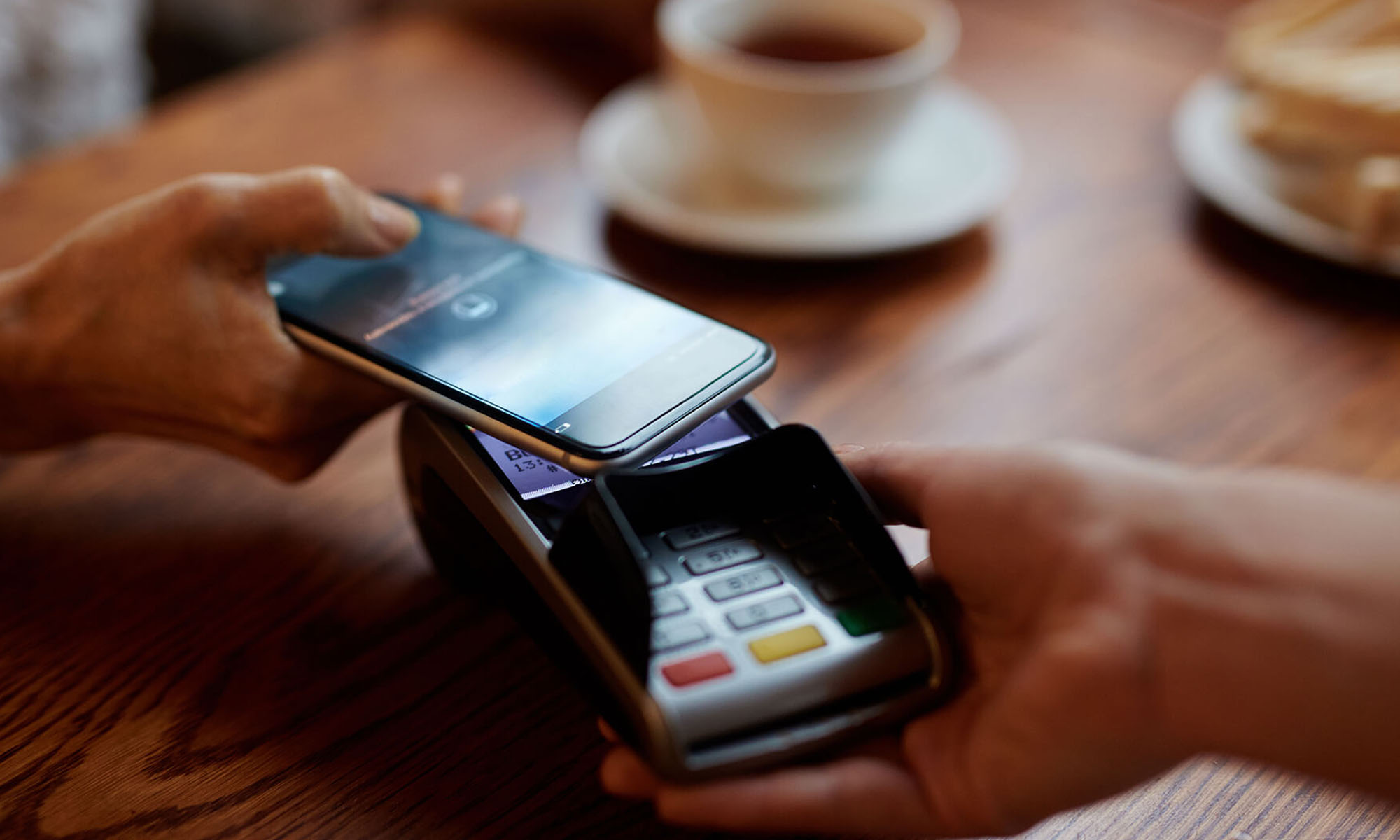
Egypt’s mobile wallets handled EGP 2.96 trillion ($57.6 billion) in transactions in the first half of 2026, according to the National Telecom Regulatory Authority – a 56% rise on the EGP 1.90 trillion ($36.9 billion) recorded a year earlier. Transactions grew faster still, up 62% to 2.22 billion, while registered wallets climbed 23% to 57.01 million.
On one reading, that is exactly what Egypt’s regulators have been pushing for: a payments system that runs through telecom-linked wallets rather than banknotes. But the same data shows how far cash still reaches into it. Cash withdrawals made up just 12% of the transactions taking money out of wallets, yet 75% of the value withdrawn or spent.
Money arrives mostly from bank accounts: transfers through InstaPay accounted for 78% of deposit transactions and 58% of the value deposited, while incoming remittances from abroad made up 3% of deposit transactions but 10% of their value. Once inside, it largely moves between wallets – wallet-to-wallet transfers accounted for 54% of all transactions and 67% of total value, with mobile and internet top-ups a distant second at 25% of volume. In effect, the wallet is serving as a transfer layer: the place money passes through between the bank account and the banknote.
That layer also runs predominantly through one operator. Vodafone Cash held 53% of registered wallets and 57% of active ones, but handled 69% of transactions and 77% of their value. Its nearest rival, e& money, held 23% of registered wallets but 14% of transaction value; Orange Cash 20% and 8%; WE Pay 4% of wallets. How many of the 57.01 million are active is not stated.
Also Read: Visa’s Return To Syria Starts With A Test And A Bank In Lebanon
Adoption is rather uneven in other respects. Men held 38 million wallets, or 67% of the total, against 19 million held by women. Users aged 26 to 45 accounted for half of all wallets, and Cairo alone had 10.6 million, or 19% of the national total, with Giza next at 6.5 million.
The NTRA says it is continuing to work with telecom operators on the regulatory framework for wallet services, part of a wider effort to expand electronic payments and financial inclusion. Its own figures show that effort succeeding on the way in. On the way out, three-quarters of the value still leaves as cash.

Egypt’s Mobile Wallets Are Booming, But Cash Still Has Power

Apple’s First Folding iPhone Arrives Late To A Shrinking Market

Apple’s Latest Product Releases Make The Headlines

Visa’s Return To Syria Starts With A Test And A Bank In Lebanon

RØDE’s New DS3 Studio Arm Is Built For Heavier Creator Setups

Anghami’s New Elite Program Starts With A Three-Decade Catalog

Dubai’s aradus Wants AI To Run The Back Office Of Physical Trade

Qatar Is Getting Its First EV Plant, Built To Cope With Gulf Heat

Qatar Airways Flies The World’s First Starlink-Equipped 787-9

Former Rockstar Director Dismisses GTA 6 Leaks As “Nothing Burger”


-
 News3 weeks ago
Former Rockstar Director Dismisses GTA 6 Leaks As “Nothing Burger”
-
 News3 weeks ago
RØDE’s New DS3 Studio Arm Is Built For Heavier Creator Setups
-

 News3 weeks ago
Dubai Turns AI On Its Own Civil Service To Measure Productivity
-
 News3 weeks ago
Visa’s Return To Syria Starts With A Test And A Bank In Lebanon