
News
Galaxy Unpacked 2025: Samsung Z Fold 7, Z Flip 7, And Watch 8
The tech giant has unveiled thinner foldables, a new budget foldable, updated smartwatches, and Buy Now Pay Later support in Samsung Wallet.


Samsung’s summer Galaxy Unpacked event saw the launch of several new devices and software updates, with the spotlight on thinner foldables and refreshed wearables. The event confirmed earlier leaks but added key details, including a few design trade-offs, AI upgrades, and broader software enhancements across the Galaxy ecosystem.
Foldables: Thinner, Lighter, More Segmented
The flagship Galaxy Z Fold 7 is now Samsung’s slimmest and lightest foldable yet — 8.9mm thick when closed and 215 grams in weight. This reduction is partly due to the removal of S Pen support, which Samsung admitted was underused. It also features a stronger titanium frame, a reengineered FlexHinge, and a larger 8-inch display. Internally, the smartphone runs on the Snapdragon 8 Elite chip with up to 1TB storage and a 4,400mAh battery.
Camera upgrades include a 200MP main sensor, 10MP telephoto with 3x zoom, a 12MP ultrawide, and reworked front-facing cameras. Pre-orders are open now, with general availability from July 25. Prices start at $2,000.
The Galaxy Z Flip 7 introduces a 4.1-inch FlexWindow with ultra-thin bezels, now supporting a 120Hz refresh rate and 2,600 nits peak brightness. The internal screen grows to 6.9 inches. Unlike the Fold 7, it uses Samsung’s own Exynos 2500 processor. The device carries a 50MP main camera, 12MP ultrawide, and enhanced HDR capture. The Flip 7 also includes a larger 4,300mAh battery and improved water protection. Pricing starts at $1,100.
For more price-conscious users, the Galaxy Z Flip 7 FE offers a scaled-back version based on last year’s Flip 6, using the Exynos 2400 chip and a 3,700mAh battery. It lacks the edge-to-edge display and slimmer design, but includes core Galaxy AI features. Starting at $900, the FE model is available in white or black with up to 256GB storage.
Galaxy Watch 8 Series: Thinner Builds, Improved Sensors
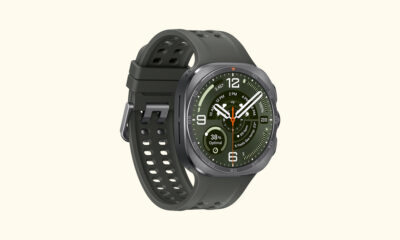
The Galaxy Watch 8 adopts a squircle design and a thinner case — 11% slimmer than its predecessor — while boosting battery capacity. It comes in 40mm and 44mm sizes with peak display brightness of 3,000 nits. Samsung also introduced an IP68 and 5ATM rating for better durability.
Wear OS 6 ships out of the box, featuring Google’s Gemini assistant and new AI-powered health tools. Notably, the Watch 8 can now estimate antioxidant levels using the heart-rate sensor applied to the user’s thumb.
The Watch 8 Classic retains the signature rotating bezel and is only available in a single 46mm size. Pricing starts at $350 for the base model and $500–$550 for the Classic, depending on connectivity. All models are available for pre-order now, with retail release on July 25.
Software Update: Samsung Wallet Adds BNPL
Among several smaller announcements at Galaxy Unpacked, Samsung Wallet will soon support Buy Now Pay Later (BNPL) functionality, launching alongside the Fold 7. The news follows earlier Wallet features like Tap to Transfer and Instant Installment, as Samsung continues to expand its fintech offering.




News
Visa’s Return To Syria Starts With A Test And A Bank In Lebanon
Foreign visitors will be the first users to benefit, but whether Syria’s own banks and cardholders follow is still an open question.

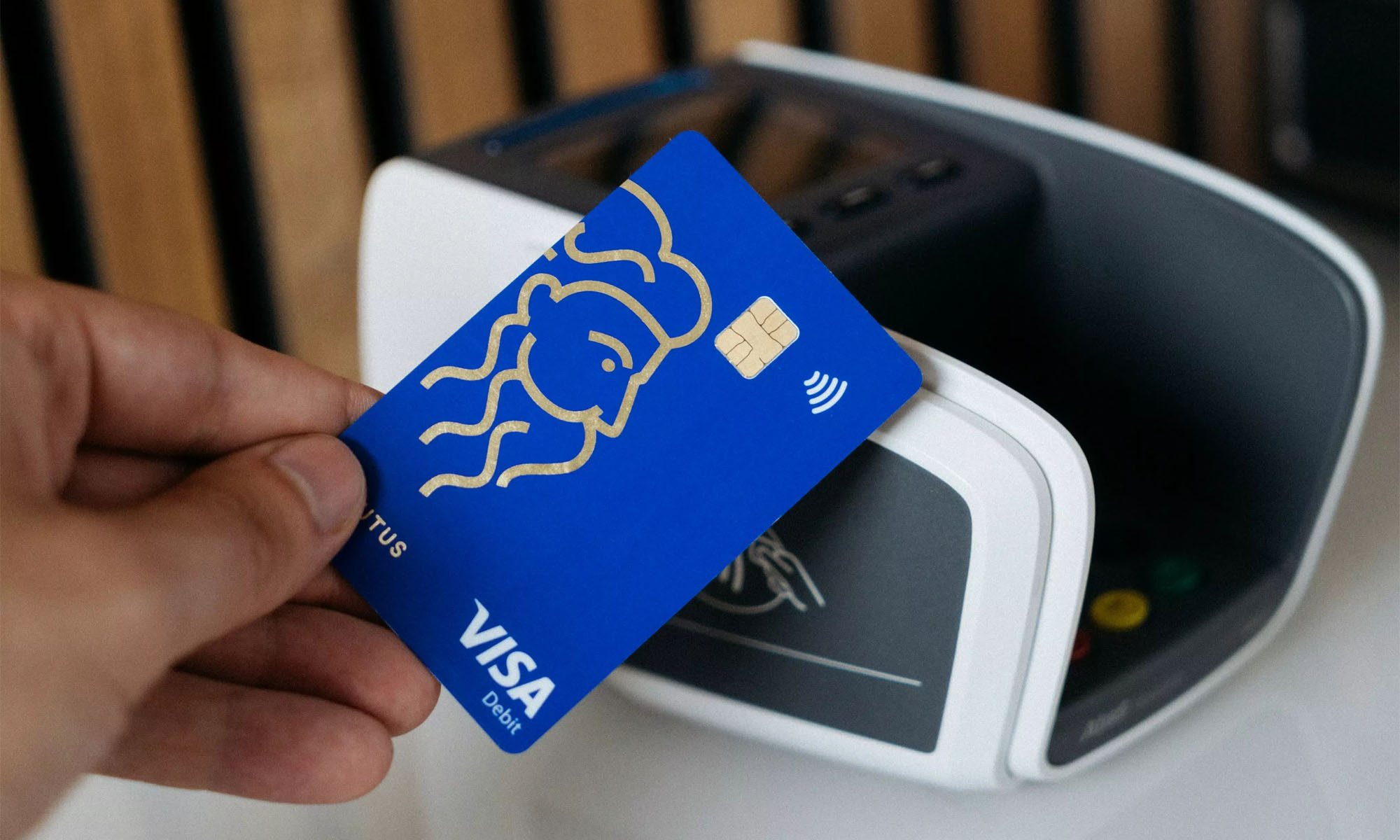
Visa is returning to Syria. Its first live international card transaction in the country was a test rather than a launch, and the milestone event ran through a Lebanese bank.
The acquirer (the bank on the merchant’s side of a card payment) was Fransabank Lebanon, with Paymera as the other named partner. Nadim Moujaes, who heads a Fransabank Group subsidiary, describes the test as both the culmination of “longstanding efforts to link Syria back to international payment networks” and “the first step in a larger path”.
Syrian President Ahmed Al-Sharaa makes the first electronic payment in Syria using a @Visa card at a store in Damascus, following the lifting of US sanctions on Syria. pic.twitter.com/lpAN7nQ6Fc
— Tech Magazine (@TechMGZN) August 27, 2026
“We are excited to have successfully tested live transactions today as we plan to enable international visitors to use their Visa cards while in Syria,” says Leila Serhan, Visa’s senior vice president and group country manager for the North Africa, Levant and Pakistan region. Although a significant first step, that plan doesn’t come with a hard date for when a visitor’s card will work normally.
Mohammed Safwat Raslan, governor of the Central Bank of Syria, says the test paves the way for international card acceptance in Syria and that maintaining strong compliance, risk management and operational controls will remain essential. Serhan likewise stresses that Visa has worked within applicable legal, regulatory and compliance requirements. For a test transaction, it seems there was a great deal of attention paid to the rules, with the entire operation being carefully managed.
Also Read: Lebanon’s 5G Era Begins With 150 Stations And A $1M Budget
The test is the latest step in a sequence that began in December 2025, when Visa announced a strategic roadmap to support Syria’s integration into the global digital economy. In February 2026 it hosted its first industry gathering of banks, ecosystem partners and policymakers in Damascus and, the same month, signed an agreement with Syria’s Ministry of Communications and Information Technology in San Francisco.
Michel Kattouah, Paymera’s CEO, called the test “the return of international card acceptance,” but while that’s positive news, there’s no word yet on when a Syrian bank will issue a Visa card to a Syrian customer.

Visa’s Return To Syria Starts With A Test And A Bank In Lebanon

RØDE’s New DS3 Studio Arm Is Built For Heavier Creator Setups

Dubai Turns AI On Its Own Civil Service To Measure Productivity

Former Rockstar Director Dismisses GTA 6 Leaks As “Nothing Burger”

Qatar Airways Flies The World’s First Starlink-Equipped 787-9

Shokz OpenFit Pro Review: Open-Ear Audio Finally Grows Up

Syria Just Got Its First Super App Featuring Built-In Digital Payments

Lebanon’s 5G Era Begins With 150 Stations And A $1M Budget

Samsung And Spotify Offer Free Premium Deal In MENA

Spotify Will Now Tell You If Your Favorite Artist Isn’t Real


-
 News3 weeks ago
Lebanon’s 5G Era Begins With 150 Stations And A $1M Budget
-
 News3 weeks ago
Samsung And Spotify Offer Free Premium Deal In MENA
-
 News2 weeks ago
Spotify Will Now Tell You If Your Favorite Artist Isn’t Real
-

 News2 weeks ago
Instagram Redraws Its Wordmark And The Internet Reads “Instagzam”