
News
Galaxy Unpacked 2025: Samsung Z Fold 7, Z Flip 7, And Watch 8
The tech giant has unveiled thinner foldables, a new budget foldable, updated smartwatches, and Buy Now Pay Later support in Samsung Wallet.


Samsung’s summer Galaxy Unpacked event saw the launch of several new devices and software updates, with the spotlight on thinner foldables and refreshed wearables. The event confirmed earlier leaks but added key details, including a few design trade-offs, AI upgrades, and broader software enhancements across the Galaxy ecosystem.
Foldables: Thinner, Lighter, More Segmented
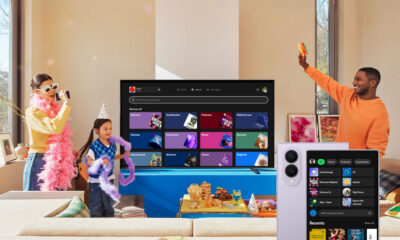
The flagship Galaxy Z Fold 7 is now Samsung’s slimmest and lightest foldable yet — 8.9mm thick when closed and 215 grams in weight. This reduction is partly due to the removal of S Pen support, which Samsung admitted was underused. It also features a stronger titanium frame, a reengineered FlexHinge, and a larger 8-inch display. Internally, the smartphone runs on the Snapdragon 8 Elite chip with up to 1TB storage and a 4,400mAh battery.
Camera upgrades include a 200MP main sensor, 10MP telephoto with 3x zoom, a 12MP ultrawide, and reworked front-facing cameras. Pre-orders are open now, with general availability from July 25. Prices start at $2,000.
The Galaxy Z Flip 7 introduces a 4.1-inch FlexWindow with ultra-thin bezels, now supporting a 120Hz refresh rate and 2,600 nits peak brightness. The internal screen grows to 6.9 inches. Unlike the Fold 7, it uses Samsung’s own Exynos 2500 processor. The device carries a 50MP main camera, 12MP ultrawide, and enhanced HDR capture. The Flip 7 also includes a larger 4,300mAh battery and improved water protection. Pricing starts at $1,100.
For more price-conscious users, the Galaxy Z Flip 7 FE offers a scaled-back version based on last year’s Flip 6, using the Exynos 2400 chip and a 3,700mAh battery. It lacks the edge-to-edge display and slimmer design, but includes core Galaxy AI features. Starting at $900, the FE model is available in white or black with up to 256GB storage.
Galaxy Watch 8 Series: Thinner Builds, Improved Sensors
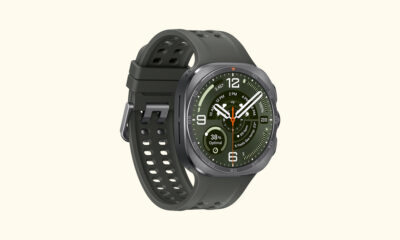
The Galaxy Watch 8 adopts a squircle design and a thinner case — 11% slimmer than its predecessor — while boosting battery capacity. It comes in 40mm and 44mm sizes with peak display brightness of 3,000 nits. Samsung also introduced an IP68 and 5ATM rating for better durability.
Wear OS 6 ships out of the box, featuring Google’s Gemini assistant and new AI-powered health tools. Notably, the Watch 8 can now estimate antioxidant levels using the heart-rate sensor applied to the user’s thumb.
The Watch 8 Classic retains the signature rotating bezel and is only available in a single 46mm size. Pricing starts at $350 for the base model and $500–$550 for the Classic, depending on connectivity. All models are available for pre-order now, with retail release on July 25.
Software Update: Samsung Wallet Adds BNPL
Among several smaller announcements at Galaxy Unpacked, Samsung Wallet will soon support Buy Now Pay Later (BNPL) functionality, launching alongside the Fold 7. The news follows earlier Wallet features like Tap to Transfer and Instant Installment, as Samsung continues to expand its fintech offering.




News
New Disney+ Streaming App Has Officially Launched In The UAE
The app’s recommendations now factor in what’s popular in the UAE, and a dedicated Junior Mode gives kids their own corner of Disney+.

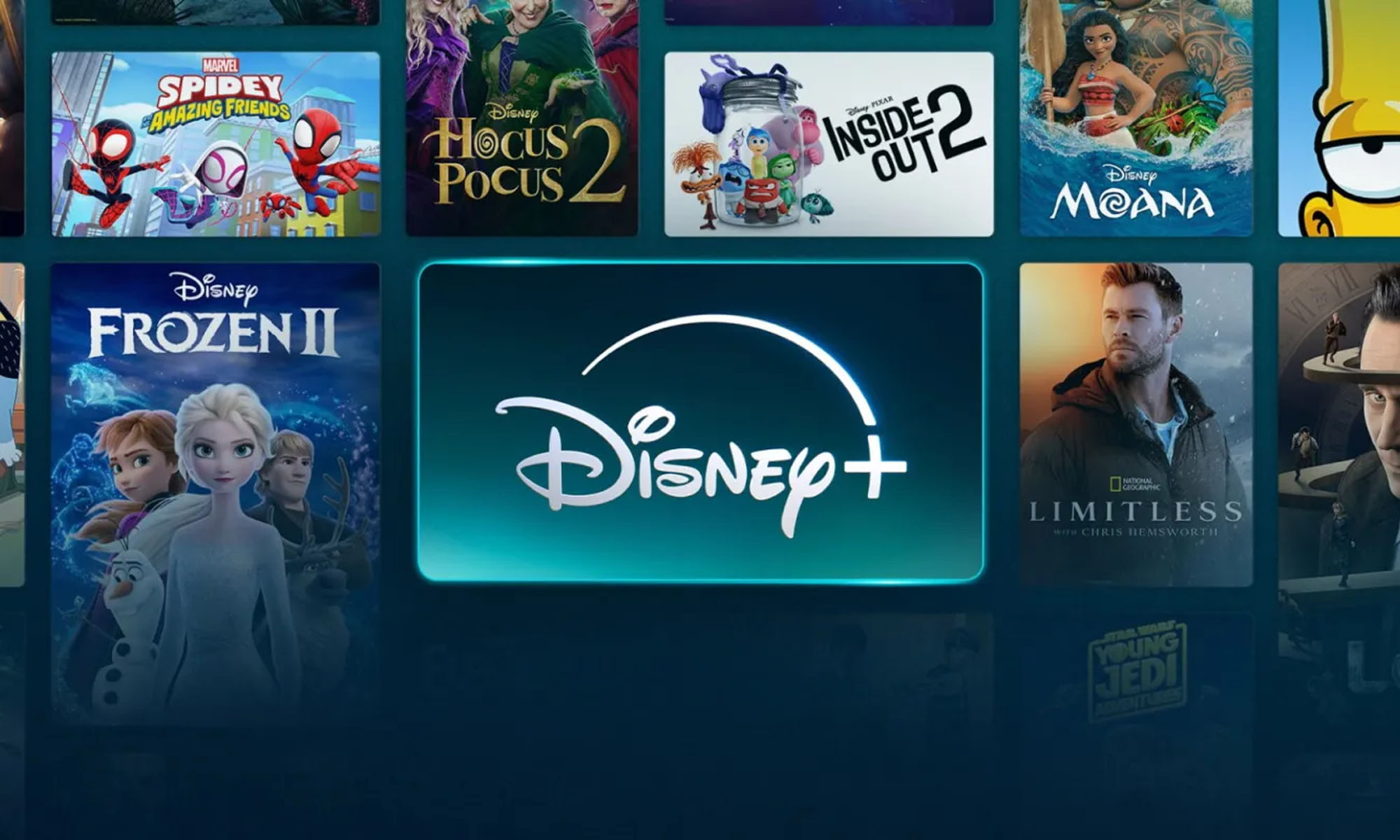
A new Disney+ app has officially launched in the UAE, and subscribers can now keep watching their favorite titles when they travel. Disney+ says access extends across supported markets in Europe, the United States and beyond.
The app is built around a dynamic homepage and simpler navigation, with recommendations drawn from each customer’s viewing habits and what’s popular in the UAE. Content from Hulu and ESPN is now easier to find alongside Disney+’s own library, the company says. Audio and subtitles come in up to 25 languages, and supported devices get high-quality video and sound.
For families, the app includes Junior Mode, a dedicated, simplified version of Disney+ for younger viewers, built around age-appropriate shows and movies. It sits alongside existing controls such as PIN-protected profiles, customizable content ratings and account notifications when a profile is changed.
The catalog still spans Disney, Pixar, Marvel, Star Wars, National Geographic, Hulu and FX. Returning series include Season 8 of “The Kardashians,” Season 23 of “Grey’s Anatomy” and Season 38 of “The Simpsons”. Also on the service are the second season of International Emmy and BAFTA Award-winning series “Rivals,” comedy “Only Murders in the Building,” Walt Disney Animation Studios’ “Zootropolis 2” and 20th Century Studios’ “Send Help”.
Also Read: Best Video Streaming Services In The Middle East
Marvel Television’s “VisionQuest” is on the way, and Disney’s live-action “Moana” is due later this autumn. Beyond Hollywood, the Turkish title “Halef” is coming to the platform alongside a lineup of Korean entertainment: Korean-Japanese romantic comedy “Merry Berry Love” is streaming now, and “The Remarried Empress” arrives November 4.
Existing subscribers will be prompted to download the new app and sign in with their current credentials, with on-screen steps covering account confirmation and profile setup. Subscriptions start at AED 49.99 per month and can be canceled at any time.
For UAE subscribers planning to travel, the update will likely be well received, but Disney has left one question open. It confirms Europe and the United States as supported markets but doesn’t yet say which others fall under and beyond.

New Disney+ Streaming App Has Officially Launched In The UAE

Dubai Says Its Deepfake Detector Needs Just 7 Seconds Of Video

OpenAI Has Announced A Visual Ad Format For ChatGPT

For etisalat, More Bandwidth Is A Matter Of Digital Sovereignty

NEOPAY Wants To Follow Merchants Across Channels And Borders

Trip.com Is Betting An AI Agent Will Book Your Next Vacation

Musk’s Boring Company Wants To Dig 150 KM Of Tunnel Under The UAE

OKX Bets Streaming Perks Can Take Crypto Mainstream Across MENA

Meta’s New $499 Plan Puts A Price On Reaching A Real Person

Apple’s First Folding iPhone Arrives Late To A Shrinking Market


-
 News3 weeks ago
Trip.com Is Betting An AI Agent Will Book Your Next Vacation
-
 News4 weeks ago
Musk’s Boring Company Wants To Dig 150 KM Of Tunnel Under The UAE
-
 News3 weeks ago
OKX Bets Streaming Perks Can Take Crypto Mainstream Across MENA
-
 News3 weeks ago
Meta’s New $499 Plan Puts A Price On Reaching A Real Person