
News
Deliverect Rolls Out Self-Order Kiosks Across MENA
The restaurant tech firm is bringing its in-store ordering kiosks to the Middle East as operators look to cut queues and push higher-value orders.


Deliverect has launched its self-service ordering kiosks in the Middle East and North Africa, extending its footprint in a region where an expanding food and beverage sector means that restaurants are under pressure to move faster with fewer staff.
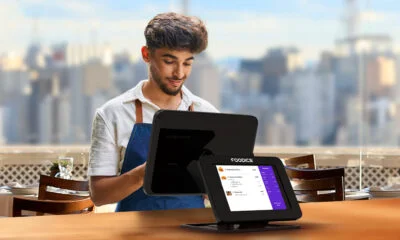
The product, Deliverect Kiosk, allows customers to browse menus, place orders and pay directly at in-store screens, without any staff involvement. For operators, the pitch is straightforward: shorter queues, faster throughput and higher average spend.
Deliverect says the kiosk is tightly integrated into its broader ordering platform, syncing menus and availability across locations in real time. Built-in upselling and bundling features are designed to nudge customers toward higher-value baskets without adding friction at the counter.
Data from Europe shows the potential gains that the system can achieve: Restaurants using its kiosks in Germany, Spain, Italy, Switzerland, Belgium and the UK have cut average order times by 17%. Half of all kiosk orders included an upsell, while ticket sizes were around 30% higher than traditional ordering flows, according to the company.
Naji Haddad, Vice President of EMEA at Deliverect, said the regional launch reflects growing demand for automation among restaurant operators. “The launch of Deliverect Kiosk represents another important milestone for the company, where restaurants can reap the benefits and accelerate their business revenues even more while also enhancing customer experiences,” he said.
Haddad also pointed to the system’s adoption by international brands as a signal of its maturity. “Not only is Deliverect Kiosk a catalyst when it comes to boosting productivity and sales, but this user-friendly innovative tech system is widely used by some of the popular brands in the world today,” the VP added.
Also Read: Belkin Launches Wireless HDMI Adapter With 131-Foot Range
The kiosks are offered in multiple formats, including floor-standing, wall-mounted and countertop models, making them suitable for quick-service, counter-service and dine-in restaurants. Stock levels are synchronized with point-of-sale systems so customers only see what is actually available.
As competition intensifies across the region’s dining hubs, tools that increase order speed and spending without adding headcount are becoming less of a nice-to-have. Deliverect is betting that kiosks will be part of that shift.





News
Egypt’s Mobile Wallets Are Booming, But Cash Still Has Power
Egypt’s telecom regulator says $57.6 billion moved through more than 57 million wallets in six months. And one operator handled 77% of the value.

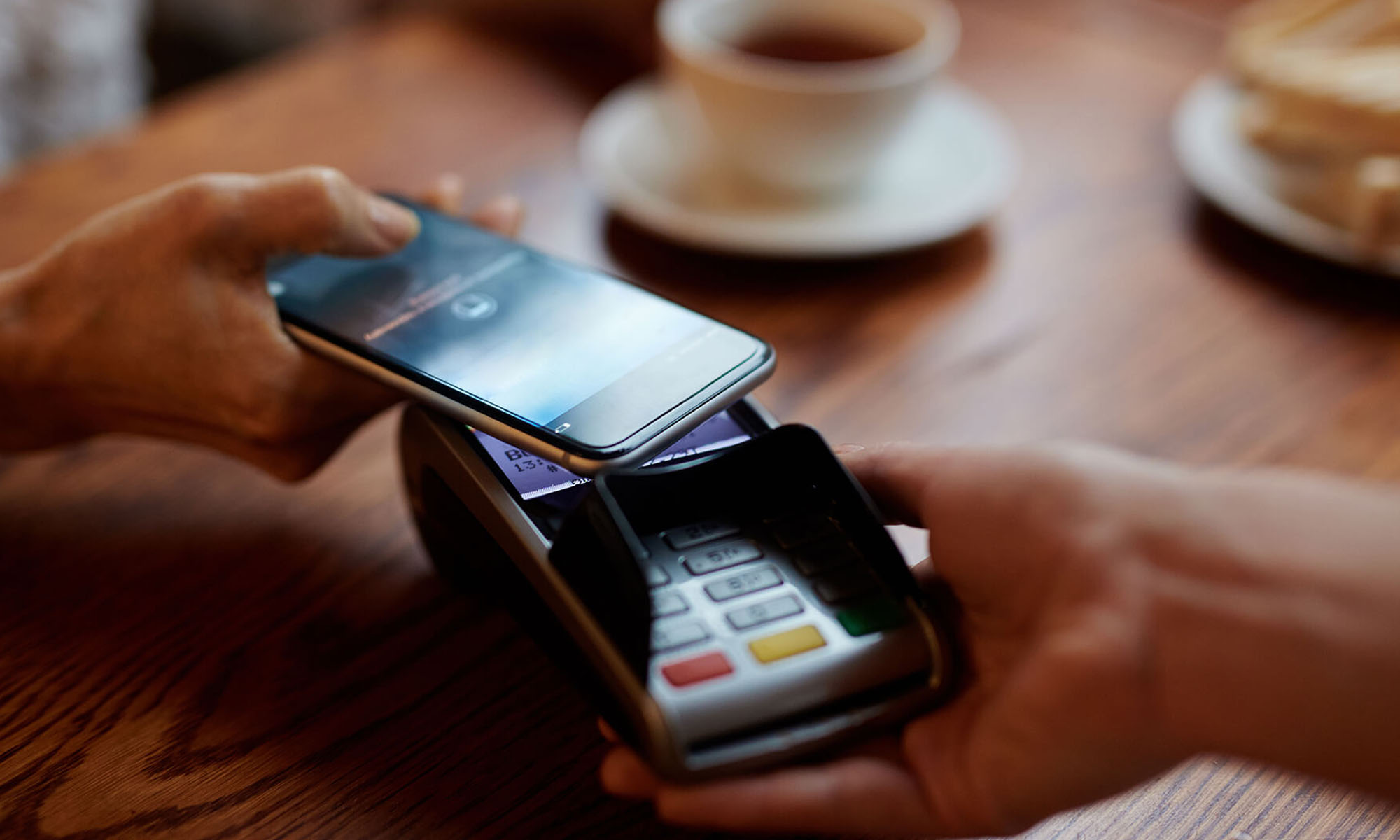
Egypt’s mobile wallets handled EGP 2.96 trillion ($57.6 billion) in transactions in the first half of 2026, according to the National Telecom Regulatory Authority – a 56% rise on the EGP 1.90 trillion ($36.9 billion) recorded a year earlier. Transactions grew faster still, up 62% to 2.22 billion, while registered wallets climbed 23% to 57.01 million.
On one reading, that is exactly what Egypt’s regulators have been pushing for: a payments system that runs through telecom-linked wallets rather than banknotes. But the same data shows how far cash still reaches into it. Cash withdrawals made up just 12% of the transactions taking money out of wallets, yet 75% of the value withdrawn or spent.
Money arrives mostly from bank accounts: transfers through InstaPay accounted for 78% of deposit transactions and 58% of the value deposited, while incoming remittances from abroad made up 3% of deposit transactions but 10% of their value. Once inside, it largely moves between wallets – wallet-to-wallet transfers accounted for 54% of all transactions and 67% of total value, with mobile and internet top-ups a distant second at 25% of volume. In effect, the wallet is serving as a transfer layer: the place money passes through between the bank account and the banknote.
That layer also runs predominantly through one operator. Vodafone Cash held 53% of registered wallets and 57% of active ones, but handled 69% of transactions and 77% of their value. Its nearest rival, e& money, held 23% of registered wallets but 14% of transaction value; Orange Cash 20% and 8%; WE Pay 4% of wallets. How many of the 57.01 million are active is not stated.
Also Read: Visa’s Return To Syria Starts With A Test And A Bank In Lebanon
Adoption is rather uneven in other respects. Men held 38 million wallets, or 67% of the total, against 19 million held by women. Users aged 26 to 45 accounted for half of all wallets, and Cairo alone had 10.6 million, or 19% of the national total, with Giza next at 6.5 million.
The NTRA says it is continuing to work with telecom operators on the regulatory framework for wallet services, part of a wider effort to expand electronic payments and financial inclusion. Its own figures show that effort succeeding on the way in. On the way out, three-quarters of the value still leaves as cash.

Egypt’s Mobile Wallets Are Booming, But Cash Still Has Power

Apple’s First Folding iPhone Arrives Late To A Shrinking Market

Apple’s Latest Product Releases Make The Headlines

Visa’s Return To Syria Starts With A Test And A Bank In Lebanon

RØDE’s New DS3 Studio Arm Is Built For Heavier Creator Setups

Anghami’s New Elite Program Starts With A Three-Decade Catalog

Dubai’s aradus Wants AI To Run The Back Office Of Physical Trade

Qatar Is Getting Its First EV Plant, Built To Cope With Gulf Heat

Qatar Airways Flies The World’s First Starlink-Equipped 787-9

Former Rockstar Director Dismisses GTA 6 Leaks As “Nothing Burger”


-
 News3 weeks ago
Former Rockstar Director Dismisses GTA 6 Leaks As “Nothing Burger”
-
 News3 weeks ago
RØDE’s New DS3 Studio Arm Is Built For Heavier Creator Setups
-

 News3 weeks ago
Dubai Turns AI On Its Own Civil Service To Measure Productivity
-
 News3 weeks ago
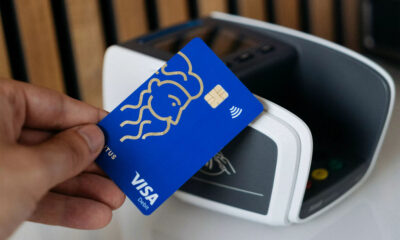
Visa’s Return To Syria Starts With A Test And A Bank In Lebanon