
News
Governata Raises $4M For Saudi AI Data-Governance Push
The startup has raised significant capital in a seed round to harden data foundations as agencies and corporates prepare for AI rollouts.


Governata has secured $4 million in seed funding to scale its enterprise data governance platform in Saudi Arabia and the wider Gulf region. The move points to how the Kingdom is treating data infrastructure as core to its AI ambitions under Vision 2030.
The round drew Joa Capital, abtal.vc, Sanabil Accelerator by 500 Global, Sadu Capital, Plus VC, Hyperscope Ventures, A-Typical Ventures and Plug and Play. Funds will go to product work and market expansion, with plans to add machine learning and generative AI while keeping data local and compliant.
The startup pitches an Arabic-first governance and decisioning stack aligned with the National Data Management Office, National Data Index and the Personal Data Protection Law. Compliance, long seen as a drag, is now framed as an edge as ministries and firms begin to test AI in sensitive workflows.
“Governata is turning Saudi Arabia’s AI vision into reality,” said Co-Founder Khalid Almudayfir, arguing the raise speeds the country’s shift toward responsible, AI-ready data.
Since mid-2025, the company says it has signed agreements with government bodies and major corporations, and is building a partner network with systems integrators to widen deployment.
Co-Founder Djamel Mohand called data governance “the backbone of any AI agenda,” a line that echoes a broader pivot in the market as organizations confront messy data before chasing generative AI.
Also Read: EDT&Partners Buys eFlow To Bolster AI Learning Push
The next step is visibility: Governata plans to host an invite-only event in Riyadh in February 2026 for policymakers, investors and engineers to discuss and plan enterprise data readiness.
Saudi Arabia has poured money into cloud, research and talent in recent years. Homegrown governance software adds another piece to that stack, giving the Kingdom more control over its data infrastructure as AI pilots spread across the public and private sector.



News
Egypt’s Mobile Wallets Are Booming, But Cash Still Has Power
Egypt’s telecom regulator says $57.6 billion moved through more than 57 million wallets in six months. And one operator handled 77% of the value.
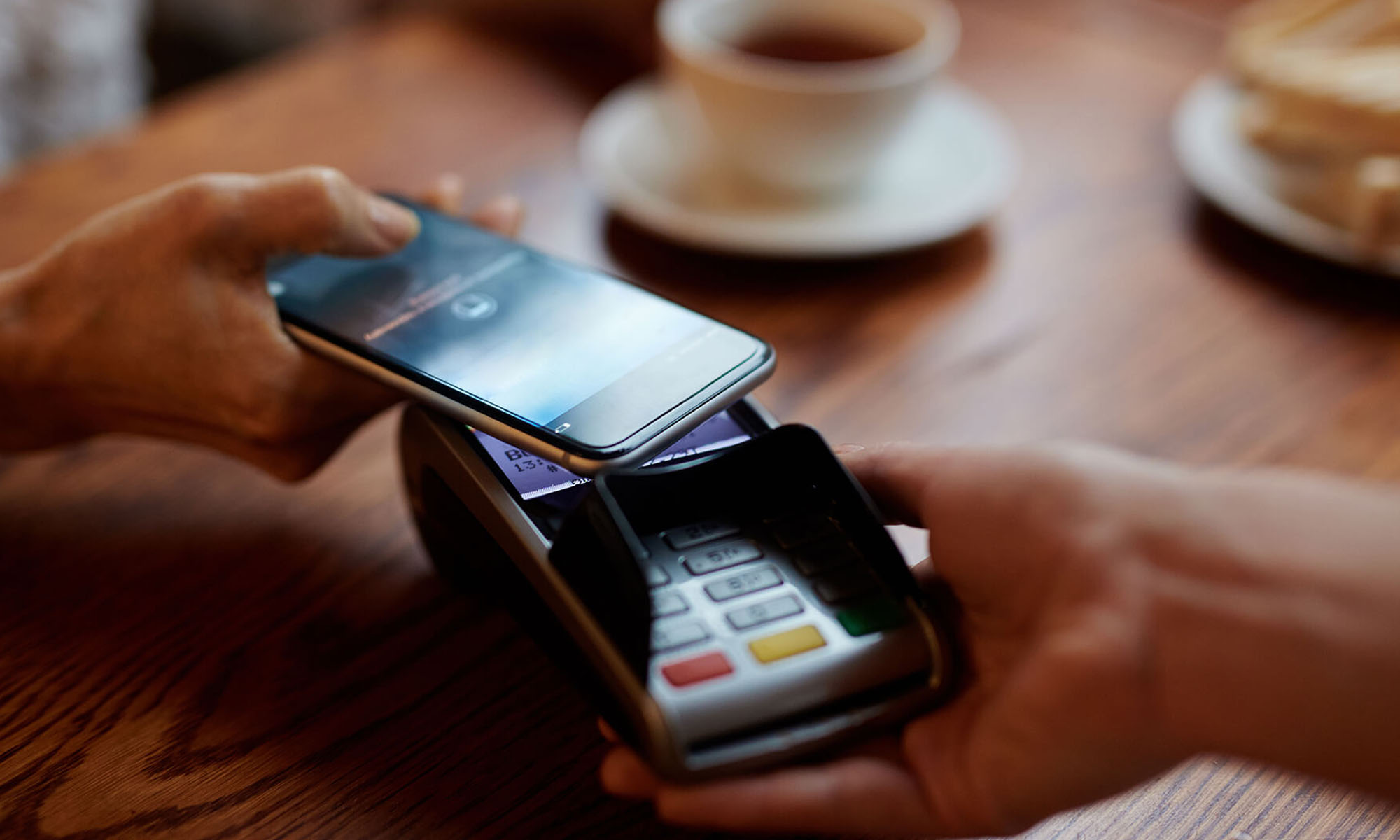
Egypt’s mobile wallets handled EGP 2.96 trillion ($57.6 billion) in transactions in the first half of 2026, according to the National Telecom Regulatory Authority – a 56% rise on the EGP 1.90 trillion ($36.9 billion) recorded a year earlier. Transactions grew faster still, up 62% to 2.22 billion, while registered wallets climbed 23% to 57.01 million.
On one reading, that is exactly what Egypt’s regulators have been pushing for: a payments system that runs through telecom-linked wallets rather than banknotes. But the same data shows how far cash still reaches into it. Cash withdrawals made up just 12% of the transactions taking money out of wallets, yet 75% of the value withdrawn or spent.
Money arrives mostly from bank accounts: transfers through InstaPay accounted for 78% of deposit transactions and 58% of the value deposited, while incoming remittances from abroad made up 3% of deposit transactions but 10% of their value. Once inside, it largely moves between wallets – wallet-to-wallet transfers accounted for 54% of all transactions and 67% of total value, with mobile and internet top-ups a distant second at 25% of volume. In effect, the wallet is serving as a transfer layer: the place money passes through between the bank account and the banknote.
That layer also runs predominantly through one operator. Vodafone Cash held 53% of registered wallets and 57% of active ones, but handled 69% of transactions and 77% of their value. Its nearest rival, e& money, held 23% of registered wallets but 14% of transaction value; Orange Cash 20% and 8%; WE Pay 4% of wallets. How many of the 57.01 million are active is not stated.
Also Read: Visa’s Return To Syria Starts With A Test And A Bank In Lebanon
Adoption is rather uneven in other respects. Men held 38 million wallets, or 67% of the total, against 19 million held by women. Users aged 26 to 45 accounted for half of all wallets, and Cairo alone had 10.6 million, or 19% of the national total, with Giza next at 6.5 million.
The NTRA says it is continuing to work with telecom operators on the regulatory framework for wallet services, part of a wider effort to expand electronic payments and financial inclusion. Its own figures show that effort succeeding on the way in. On the way out, three-quarters of the value still leaves as cash.

Egypt’s Mobile Wallets Are Booming, But Cash Still Has Power

Apple’s First Folding iPhone Arrives Late To A Shrinking Market

Apple’s Latest Product Releases Make The Headlines

Visa’s Return To Syria Starts With A Test And A Bank In Lebanon

RØDE’s New DS3 Studio Arm Is Built For Heavier Creator Setups

Anghami’s New Elite Program Starts With A Three-Decade Catalog

Dubai’s aradus Wants AI To Run The Back Office Of Physical Trade

Qatar Is Getting Its First EV Plant, Built To Cope With Gulf Heat

Qatar Airways Flies The World’s First Starlink-Equipped 787-9

Former Rockstar Director Dismisses GTA 6 Leaks As “Nothing Burger”


-
 News3 weeks ago
Former Rockstar Director Dismisses GTA 6 Leaks As “Nothing Burger”
-
 News3 weeks ago
RØDE’s New DS3 Studio Arm Is Built For Heavier Creator Setups
-

 News3 weeks ago
Dubai Turns AI On Its Own Civil Service To Measure Productivity
-
 News3 weeks ago
Visa’s Return To Syria Starts With A Test And A Bank In Lebanon