
News
AltoVolo Opens Orders For Limited Edition Sigma eVTOLs
Early buyers can now reserve build slots for AltoVolo’s 500-mile hybrid aircraft through a new online configurator.


AltoVolo has started taking pre-orders for its first electric vertical take-off and landing aircraft, the Sigma, moving the startup closer to commercial rollout. Customers can now secure a build slot with a £860 deposit and customize every detail online — from paintwork to seatbelt stitching. It’s the first configurator of its kind for a civilian eVTOL, mirroring how luxury car brands let clients tailor performance models before production.
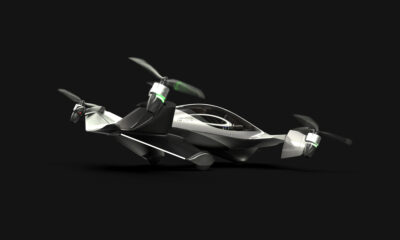
The Sigma runs on a hybrid-electric tilting jet system built for long range and low noise. It can travel up to 500 miles at a 220-mph cruise, and is over 80% quieter than a helicopter. The three-seater weighs just 980kg and can maintain stable flight even if one jet fails. Safety systems include triple-redundant controls, thrust-vectoring stability and a ballistic parachute.
“We will be delivering an ultra-refined hybrid electric aircraft,” said founder and CEO Will Wood. “We believe there are thousands of customers for this type of cutting-edge technology”.
The first 100 units will come with exclusive materials and finishes. AltoVolo is also setting up a global service and maintenance network, with early planning for overhaul schedules already underway. The company’s focus on ownership experience echoes its ambition to anchor itself alongside established aviation brands rather than pure tech ventures.
To help new owners train, the company has built a full-scale simulator that replicates the Sigma cockpit in carbon fiber and leather. Pilots can log time toward a license using the system, aligned with the new US MOSAIC rules that ease certification for powered-lift aircraft. Certification work in Europe and the UK continues in parallel, signaling growing international alignment around light sport and eVTOL regulation.
Also Read: Snapchat Opens Qatar Office To Deepen Gulf Presence
Noise inside the cabin has become another design focus. Engineers are refining internal vibration levels and developing a responsive soundscape that shifts with each jet’s power load — part feedback, part theatre.
Urban air mobility projects across the Gulf and elsewhere are pushing regulators and manufacturers to meet in the middle. Dubai, Riyadh and Doha have each outlined plans for air taxi corridors this decade. AltoVolo’s hybrid Sigma, sitting between electric promise and aviation realism, looks built for that middle ground.





News
Abu Dhabi’s Robot Kitchen Is Serving Up Biryani, Not Burgers
Circus SE wants to put a tiny automated factory inside the buildings where Gulf residents live and work, bypassing part of last-mile delivery.
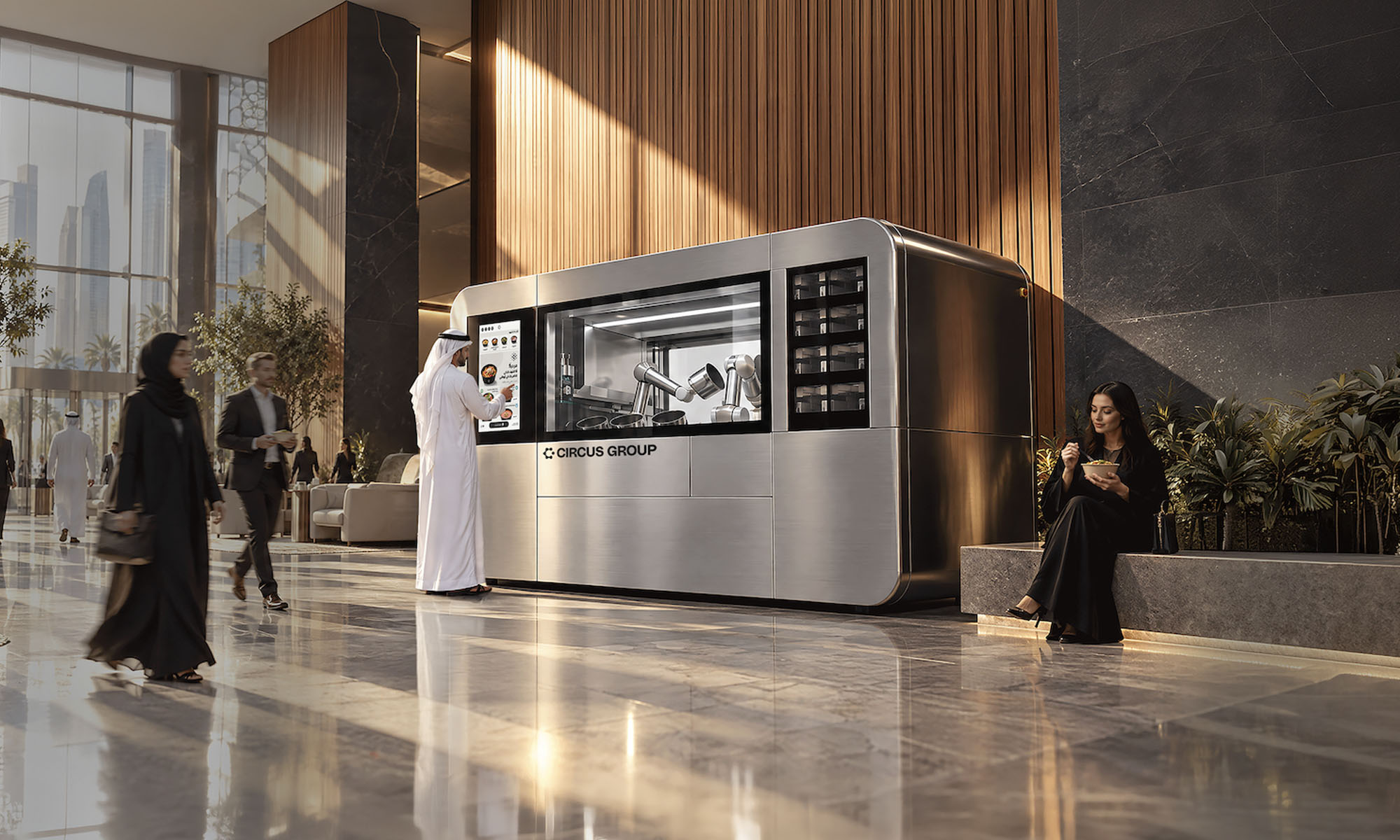
The most telling thing about a new autonomous kitchen now running in Abu Dhabi’s Marina Square is what it won’t cook:
“We don’t do fast food,” says Nikolas Bullwinkel, Founder and CEO of Circus SE. “We’ve actively decided not to build a machine that can only do burgers”.
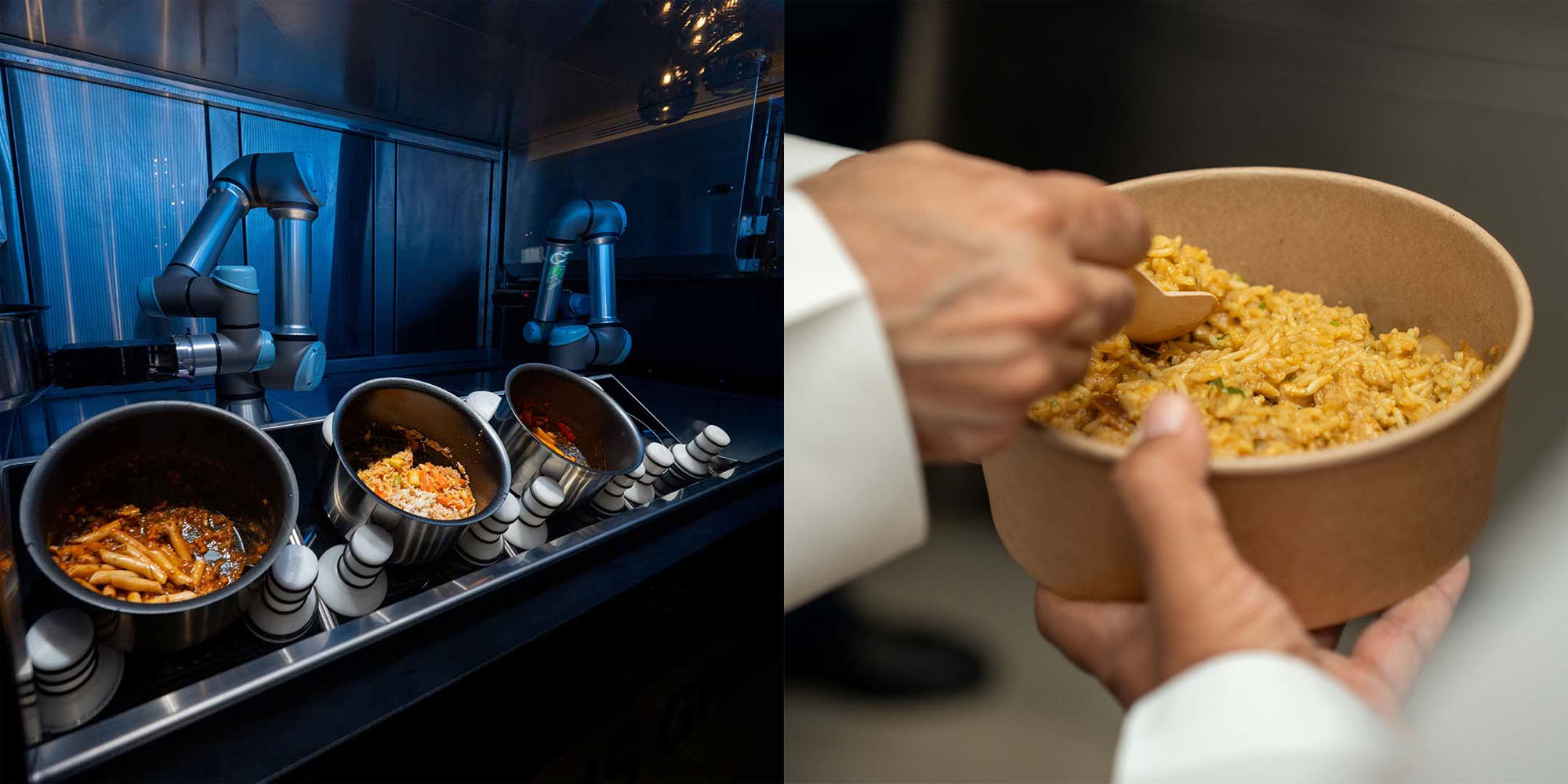
Instead, the CA-1 system is built around pot-based cooking: curries, pastas, soups and rice dishes. After experimenting with highly personalized recipes, Circus deliberately leaned back toward recognizable food. “We’re going with a chicken biryani because you know it,” Bullwinkel says of the AED 40 dish.
The Germany-based robotics and food technology company operates across eight countries, and Abu Dhabi is its first deployment outside Europe. More locations are expected there and in Dubai.
In Germany, its units can be placed in supermarkets, gas stations, airports and hospitals. In the Gulf, Bullwinkel wants them inside residential and office buildings, replacing some of the complexity of last-mile delivery. “We’re basically bringing a very tiny factory a few square meters into your building,” he says. Catering company Royal Prestige supplies the ingredients and knowledge of local tastes.
The CA-1 manages up to 36 refrigerated ingredient silos alongside automated induction cooking, robotic plating and a self-cleaning dishwasher. Two robotic arms move ingredients through the system with minimal human intervention. It can produce up to 120 hot meals an hour, and a meal such as rice and curry can take around three to four minutes.
Also Read: Ooredoo Qatar’s 5G+ Network Is Built For Machines As Much As People
Five cameras and multiple sensors monitor heat, temperature and consistency, an attempt to approximate what a chef perceives. “You can hear something gets burned, you can smell it, you can see it at some point,” Bullwinkel says. CircusOS, the company’s operating system, adjusts recipes in real time.
You might think of the platform as a threat to kitchen staff, but Bullwinkel frames Circus as a way for chefs to develop recipes and distribute them at scale. With that being said, rising labor costs and shortages are also part of his case for automation.

Abu Dhabi’s Robot Kitchen Is Serving Up Biryani, Not Burgers

Sennheiser’s MOMENTUM 5 Series Bets On Batteries You Can Swap

UAE’s 3-Minute University Registration Runs On Government Data

How Online Ads Became A Delivery System For Zero-Click Spyware

Shokz OpenDots 2 Review: Clip-On Audio Gets A Bass-Heavy Makeover

Dubai Says Its Deepfake Detector Needs Just 7 Seconds Of Video

New Disney+ Streaming App Has Officially Launched In The UAE

NEOPAY Wants To Follow Merchants Across Channels And Borders

RØDE’s Low-Profile Studio Arm Is Designed To Stay Out Of Shot

G42’s Inception42 Wants AI To Show Its Work Before Investors Commit


-
 News3 weeks ago
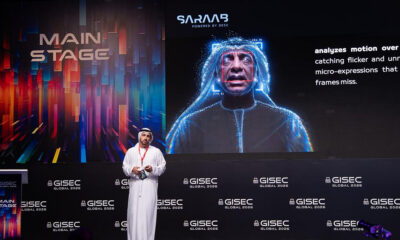
Dubai Says Its Deepfake Detector Needs Just 7 Seconds Of Video
-
 News2 weeks ago
New Disney+ Streaming App Has Officially Launched In The UAE
-
 News3 weeks ago
NEOPAY Wants To Follow Merchants Across Channels And Borders
-
 News3 weeks ago
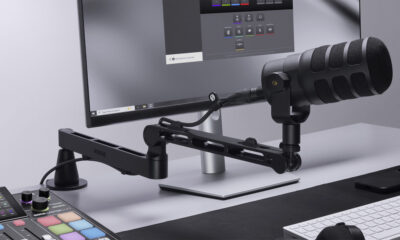
RØDE’s Low-Profile Studio Arm Is Designed To Stay Out Of Shot