
News
Anthropic’s Claude 3.7 Sonnet Introduces Hybrid Reasoning
The latest model lets users choose between rapid responses or slower, but more methodical, step-by-step answers.

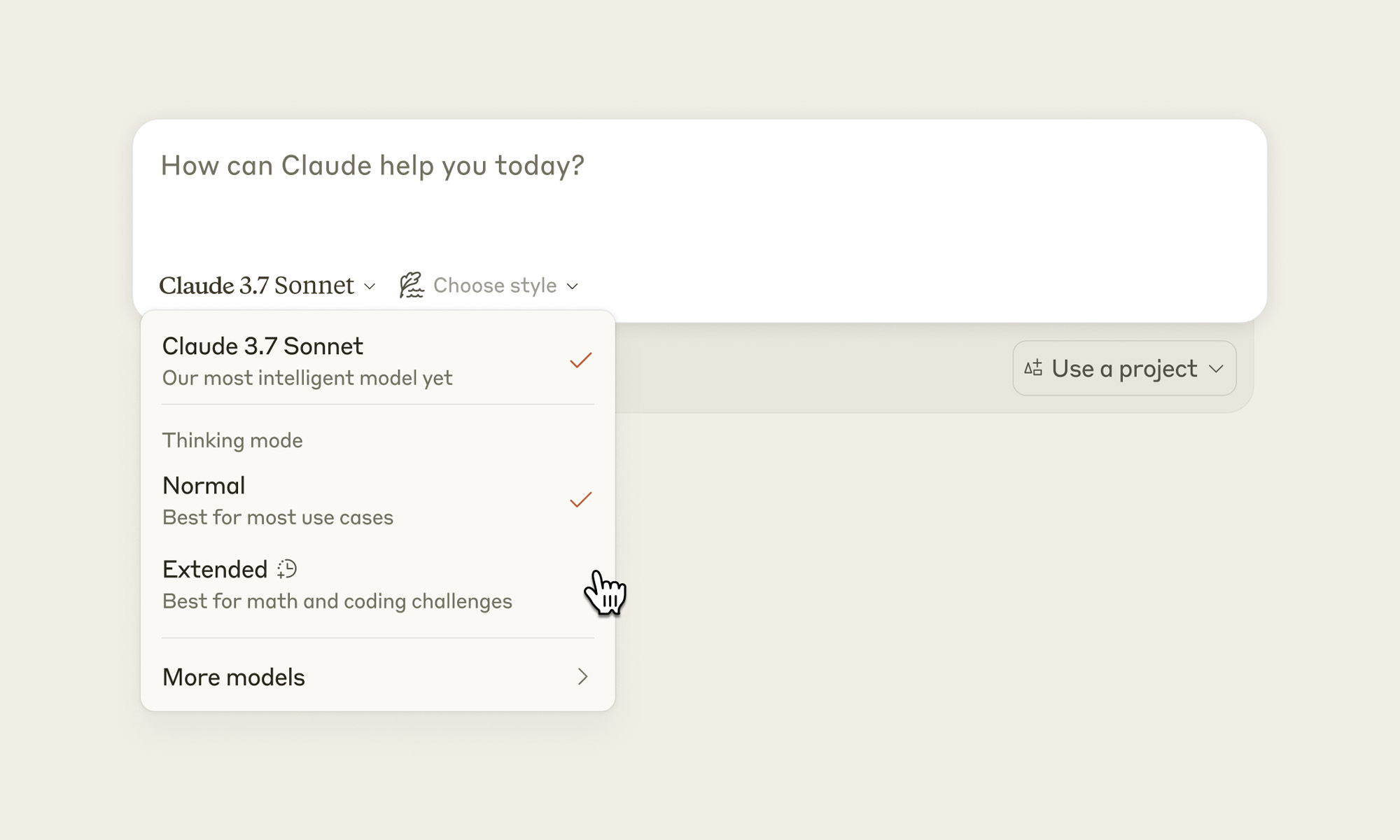
After an exciting start to 2025 with the release of DeepSeek’s Chatbot, it’s now Anthropic’s turn to unveil its latest AI model — Claude 3.7 Sonnet. The new tool is designed to strike a balance between speed and deeper responses, and is being marketed as the first hybrid reasoning model. Claude now gives users the option to choose between rapid responses or a more methodical, step-by-step approach, using a simple dropdown menu to let you decide how queries should be processed.
“We’ve developed Claude 3.7 Sonnet with a different philosophy from other reasoning models on the market. Just as humans use a single brain for both quick responses and deep reflection, we believe reasoning should be an integrated capability of frontier models rather than a separate model entirely,” Anthropic explains. “This unified approach also creates a more seamless experience for users”.
While Anthropic doesn’t call out OpenAI directly, the comparison is hard to ignore. OpenAI currently offers multiple models — GPT-4, o1, o1-mini, and o3-mini — creating a somewhat fragmented experience. Even OpenAI CEO Sam Altman recently acknowledged this issue, posting on X, “We hate the model picker as much as you do and want to return to magic unified intelligence”.
Claude 3.7 Sonnet was also developed with a different focus in mind: Rather than prioritizing high-stakes math and coding challenges, Anthropic aimed to optimize real-world applications. According to the company, users will see notable improvements in areas like coding and front-end web development, reflecting how businesses and developers actually engage with AI.
Also Read: Top Free AI Chatbots Available In The Middle East
The new model is available starting today across all Claude plans, including Anthropic’s free tier. Developers can also access it through Anthropic’s API, Amazon Bedrock, and Google Cloud’s Vertex AI.
Additionally, Anthropic is also rolling out a new tool called Claude Code, designed to streamline software development. This “agentic” system, currently in limited research preview, allows developers to assign coding tasks directly to Claude via a terminal interface. It can read and edit code, run tests, and even push commits to GitHub — offering a glimpse into a more automated, AI-assisted workflow.




News
Visa’s Return To Syria Starts With A Test And A Bank In Lebanon
Foreign visitors will be the first users to benefit, but whether Syria’s own banks and cardholders follow is still an open question.

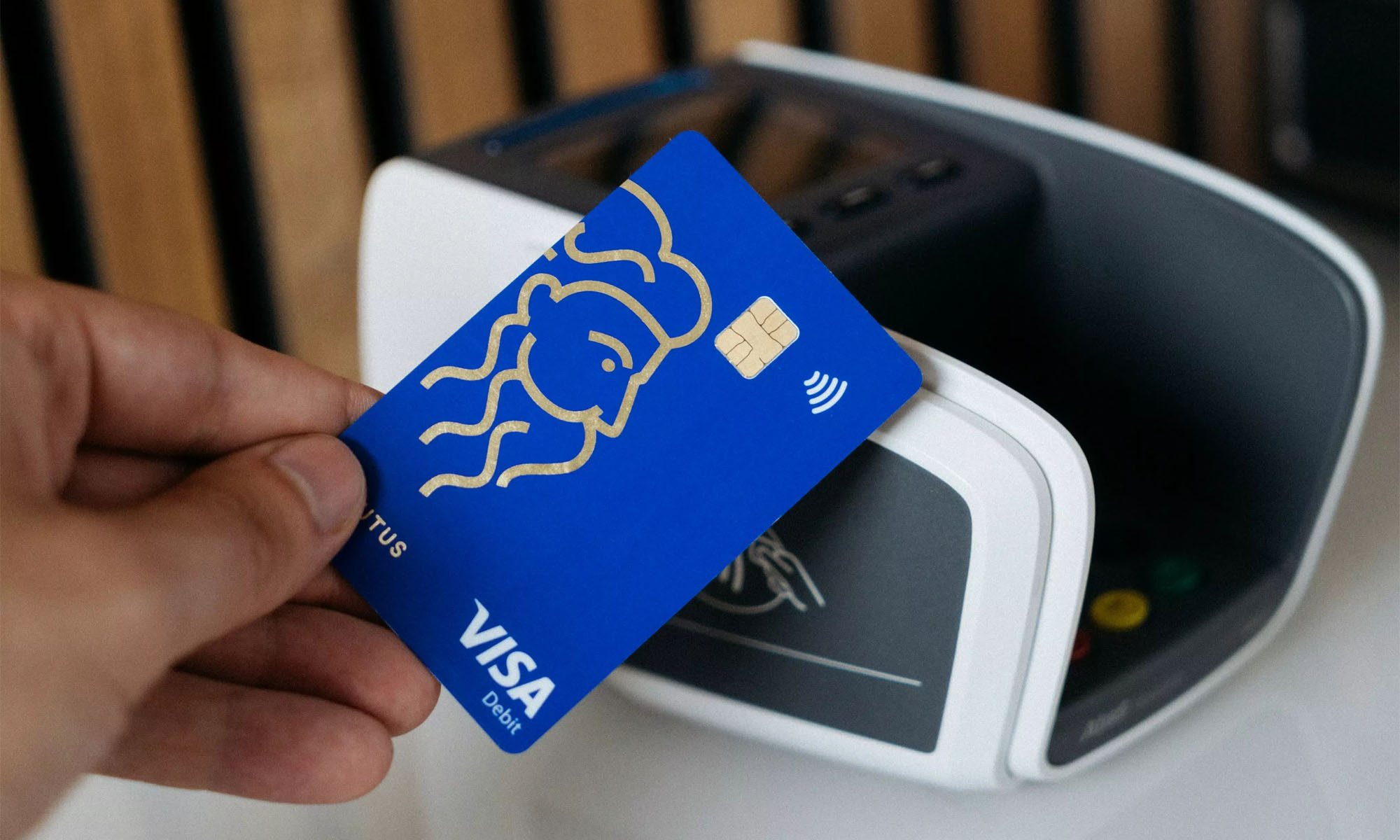
Visa is returning to Syria. Its first live international card transaction in the country was a test rather than a launch, and the milestone event ran through a Lebanese bank.
The acquirer (the bank on the merchant’s side of a card payment) was Fransabank Lebanon, with Paymera as the other named partner. Nadim Moujaes, who heads a Fransabank Group subsidiary, describes the test as both the culmination of “longstanding efforts to link Syria back to international payment networks” and “the first step in a larger path”.
Syrian President Ahmed Al-Sharaa makes the first electronic payment in Syria using a @Visa card at a store in Damascus, following the lifting of US sanctions on Syria. pic.twitter.com/lpAN7nQ6Fc
— Tech Magazine (@TechMGZN) August 27, 2026
“We are excited to have successfully tested live transactions today as we plan to enable international visitors to use their Visa cards while in Syria,” says Leila Serhan, Visa’s senior vice president and group country manager for the North Africa, Levant and Pakistan region. Although a significant first step, that plan doesn’t come with a hard date for when a visitor’s card will work normally.
Mohammed Safwat Raslan, governor of the Central Bank of Syria, says the test paves the way for international card acceptance in Syria and that maintaining strong compliance, risk management and operational controls will remain essential. Serhan likewise stresses that Visa has worked within applicable legal, regulatory and compliance requirements. For a test transaction, it seems there was a great deal of attention paid to the rules, with the entire operation being carefully managed.
Also Read: Lebanon’s 5G Era Begins With 150 Stations And A $1M Budget
The test is the latest step in a sequence that began in December 2025, when Visa announced a strategic roadmap to support Syria’s integration into the global digital economy. In February 2026 it hosted its first industry gathering of banks, ecosystem partners and policymakers in Damascus and, the same month, signed an agreement with Syria’s Ministry of Communications and Information Technology in San Francisco.
Michel Kattouah, Paymera’s CEO, called the test “the return of international card acceptance,” but while that’s positive news, there’s no word yet on when a Syrian bank will issue a Visa card to a Syrian customer.

Visa’s Return To Syria Starts With A Test And A Bank In Lebanon

RØDE’s New DS3 Studio Arm Is Built For Heavier Creator Setups

Dubai Turns AI On Its Own Civil Service To Measure Productivity

Former Rockstar Director Dismisses GTA 6 Leaks As “Nothing Burger”

Qatar Airways Flies The World’s First Starlink-Equipped 787-9

Shokz OpenFit Pro Review: Open-Ear Audio Finally Grows Up

Syria Just Got Its First Super App Featuring Built-In Digital Payments

Lebanon’s 5G Era Begins With 150 Stations And A $1M Budget

Samsung And Spotify Offer Free Premium Deal In MENA

Spotify Will Now Tell You If Your Favorite Artist Isn’t Real


-
 News3 weeks ago
Lebanon’s 5G Era Begins With 150 Stations And A $1M Budget
-
 News3 weeks ago
Samsung And Spotify Offer Free Premium Deal In MENA
-
 News2 weeks ago
Spotify Will Now Tell You If Your Favorite Artist Isn’t Real
-

 News2 weeks ago
Instagram Redraws Its Wordmark And The Internet Reads “Instagzam”