
News
Attend WSJ Tech Live With Complimentary Virtual Access
Join award-winning speakers from October 16-18 to explore the transformative forces redefining technology.


The Wall Street Journal’s (WSJ) Tech Live conference is returning to Laguna Beach, California, October 16–18, to convene more than 2,000 senior executives at the forefront of tech, media, entertainment and finance.
This is The Wall Street Journal’s largest technology event of the year, as members of the WSJ newsroom sit down with the industry’s most innovative minds to uncover today’s most pressing topics. Be prepared to explore the transformative forces redefining technology: from the advantages of AI, to the impacts of social media and the global economic downturn, to leading innovation.
In its 10th year, Tech Live is reaching new heights: bigger names, more insightful discussion and unforgettable moments. Emmy Award-winning technology columnist Joanna Stern and other esteemed Journal tech reporters will engage in unscripted interviews with those at leading innovation across all areas of tech. X CEO Linda Yaccarino, Meta former CTO Mike Schropfer and Adobe’s president of digital media David Wadhwani are just some of the biggest names in tech to join this year’s speaker lineup and explore a wide range of topics: from generative AI, to regulatory crackdowns and what’s catching the eye of investors.
Secure your spot today and be part of a shared experience where the industry’s most significant headlines are discussed, debated and made.
Other confirmed speakers include:
- David Baszucki, Founder and CEO, Roblox
- Alan Davidson, U.S. Assistant Secretary of Commerce
- Vinod Khosla, Founder and Partner, Khosla Ventures
- John Legend, Musician, Entrepreneur and Investor
- Elsa Majimbo, Comedian and Creator
- Nicole Quinn, Partner, Lightspeed Venture Partners
- Mustafa Suleyman, Co-Founder and CEO, Inflection AI
- Michael J. Wolf, Founder and CEO, Activate Consulting
Register for complimentary virtual access and don’t miss out on the transformative forces redefining technology.

News
Microsoft Plans $10 Billion-Plus Gulf Expansion Despite Iran Conflict
Security is shaping Microsoft’s approach, from resilience work with governments to what it will say about how the money splits by country.

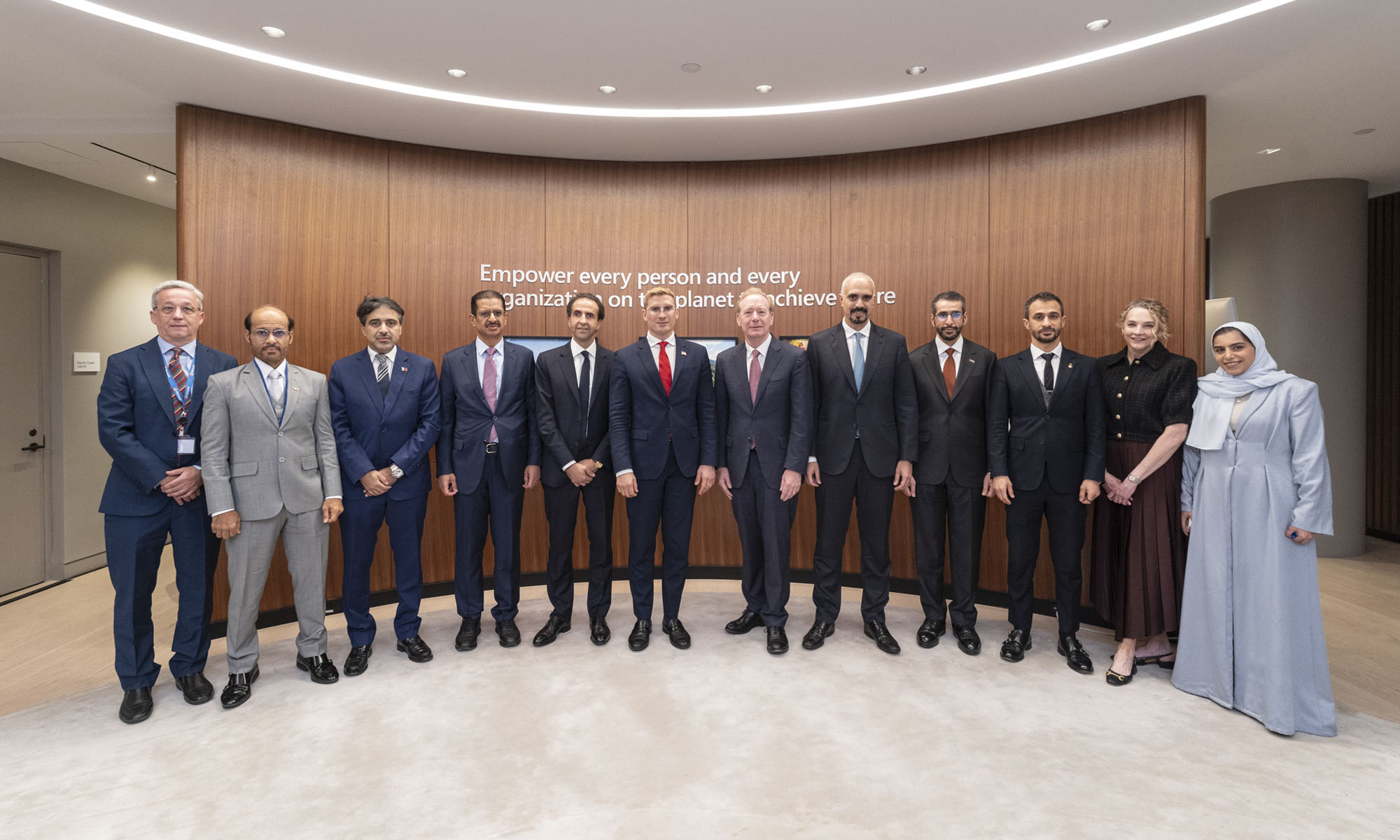
Microsoft is planning more than $10 billion of investment across the UAE, Saudi Arabia, Qatar and Kuwait through 2030, Vice Chair and President Brad Smith told Reuters, calling the spending schedule aggressive. The Iranian conflict that began on February 28 has not persuaded the company to scale back.
“We’re sustaining all the investments we planned to make before this conflict started, and we are in fact adding to them,” Smith said. The $10 billion-plus total does not, however, show how large those additions are.
The investment, which Smith described as part of Microsoft’s continued infrastructure expansion, is aimed at cloud and AI infrastructure and at the company’s growing regional operations. Microsoft also intends to put more than $400 million into subsea and terrestrial connectivity across the Middle East by 2030.
The spending fits the region’s own ambitions too. Gulf governments have been investing heavily in AI infrastructure as part of a push to diversify their economies beyond oil and gas and turn themselves into global technology hubs. Major cloud and AI providers have been drawn in part by the land and relatively low-cost energy on offer.
Microsoft is widening its partnerships with regional AI companies, though not on identical terms. In 2024, it invested $1.5 billion in Abu Dhabi-based G42 for a minority stake, and Smith currently sits on G42’s board. Saudi Arabia’s Humain and Qatar’s Qai are working with Microsoft on selected priority areas, but Smith said the company does not plan to make capital investments in either.
Also Read: Egypt’s Mobile Wallets Are Booming, But Cash Still Has Power
The conflict has added another strand to Microsoft’s work in the region. Since it began, Smith said, the company has supported regional partners with digital resilience assessments, and it is now working with Gulf countries through a digital resilience initiative focused on preparedness and the protection of critical data.
So far, the company has given no country-by-country breakdown of the investment, citing security among other factors. So while the headline figure is public, how Microsoft divides the spending among the four countries is not.

Microsoft Plans $10 Billion-Plus Gulf Expansion Despite Iran Conflict

In Kuwait, Your Surgeon Might Be Operating From Another Country

Qatar Folds 45 State Companies Into A Single Investment Platform

Trip.com Is Betting An AI Agent Will Book Your Next Vacation

Meta’s New $499 Plan Puts A Price On Reaching A Real Person

Apple’s First Folding iPhone Arrives Late To A Shrinking Market
Trip.com Is Betting An AI Agent Will Book Your Next Vacation

Egypt’s Mobile Wallets Are Booming, But Cash Still Has Power

OKX Bets Streaming Perks Can Take Crypto Mainstream Across MENA

Musk’s Boring Company Wants To Dig 150 KM Of Tunnel Under The UAE


-
 News3 weeks ago
Apple’s First Folding iPhone Arrives Late To A Shrinking Market
-
 News2 weeks ago
Trip.com Is Betting An AI Agent Will Book Your Next Vacation
-
 News2 weeks ago
Egypt’s Mobile Wallets Are Booming, But Cash Still Has Power
-
 News2 weeks ago
OKX Bets Streaming Perks Can Take Crypto Mainstream Across MENA