
News
Dubai Starts Driverless Taxi Operations With Apollo Go
Live-road robotaxi testing has begun ahead of a 2026 public launch, with Baidu setting up its first overseas control hub in Dubai.


Dubai has put its first driverless taxis into official operation, moving the project from trials to live traffic mode as the city prepares a public launch in the first quarter of 2026.
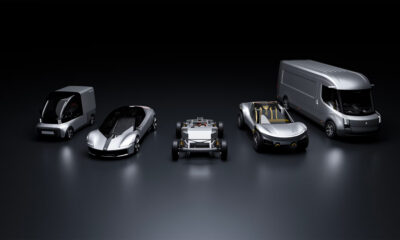
The program is run by the Roads and Transport Authority with China’s Baidu Apollo Go, the robotaxi arm of Baidu. The fleet uses the RT6, the company’s sixth-generation autonomous vehicle, built for large-scale commercial service rather than limited pilots.
Sheikh Hamdan bin Mohammed bin Rashid Al Maktoum marked the start with a ride to the World Governments Summit at Madinat Jumeirah, a public show of support for the emirate’s autonomous transport push.
According to the RTA, the cars are already operating on roads open to regular traffic. The system “ensures safe and seamless mobility within a real urban environment and on roads open to live traffic,” the authority explained.
Each vehicle carries more than 40 sensors, including LiDAR, radar and camera arrays, feeding an AI stack that handles perception and driving decisions in real time. The software is tied to high-definition maps and deep-learning models designed to cope with intersections, pedestrians and dense city traffic while staying compliant within local highway laws.
Apollo Go has plenty of experience in this sector: Its vehicles have logged more than 150 million kilometers of safe driving and completed over 10 million autonomous trips across several cities, which Dubai hopes to tap into as it shifts from testing to day-to-day service.
The partnership has moved quickly. Discussions at last year’s summit led to an MoU, then road trials, then formal operations in roughly ten months — which is unusually fast for regulated transport.
Also Read: The Petshop Launches UAE’s First Pet Care Super App
Apollo Go has also opened its first operations and control center outside China at Dubai Science Park. The 2,000-square-metre site houses fleet monitoring, simulation and training rooms, plus maintenance and inspection bays. It manages daily performance, software updates and safety checks.
The company plans to grow the Dubai fleet to more than 1,000 vehicles over the next few years.
For the RTA, the bet is straightforward: make autonomous taxis a normal part of public transport, not a demo. If the 2026 launch goes according to plan, Dubai would rank among the first cities outside China running robotaxis at a meaningful commercial scale, and a regional test ground for driverless mobility.






News
Microsoft Plans $10 Billion-Plus Gulf Expansion Despite Iran Conflict
Security is shaping Microsoft’s approach, from resilience work with governments to what it will say about how the money splits by country.
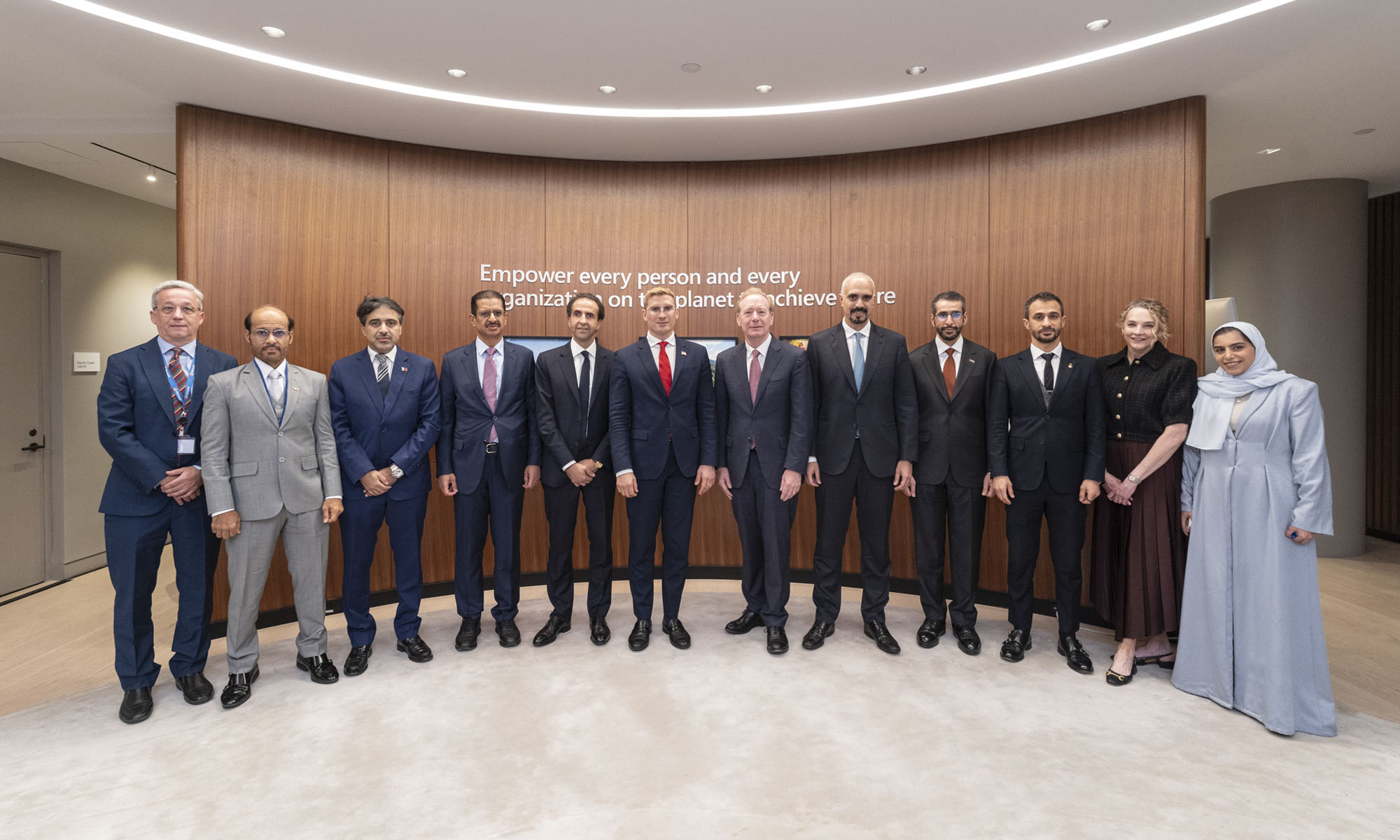
Microsoft is planning more than $10 billion of investment across the UAE, Saudi Arabia, Qatar and Kuwait through 2030, Vice Chair and President Brad Smith told Reuters, calling the spending schedule aggressive. The Iranian conflict that began on February 28 has not persuaded the company to scale back.
“We’re sustaining all the investments we planned to make before this conflict started, and we are in fact adding to them,” Smith said. The $10 billion-plus total does not, however, show how large those additions are.
The investment, which Smith described as part of Microsoft’s continued infrastructure expansion, is aimed at cloud and AI infrastructure and at the company’s growing regional operations. Microsoft also intends to put more than $400 million into subsea and terrestrial connectivity across the Middle East by 2030.
The spending fits the region’s own ambitions too. Gulf governments have been investing heavily in AI infrastructure as part of a push to diversify their economies beyond oil and gas and turn themselves into global technology hubs. Major cloud and AI providers have been drawn in part by the land and relatively low-cost energy on offer.
Microsoft is widening its partnerships with regional AI companies, though not on identical terms. In 2024, it invested $1.5 billion in Abu Dhabi-based G42 for a minority stake, and Smith currently sits on G42’s board. Saudi Arabia’s Humain and Qatar’s Qai are working with Microsoft on selected priority areas, but Smith said the company does not plan to make capital investments in either.
Also Read: Egypt’s Mobile Wallets Are Booming, But Cash Still Has Power
The conflict has added another strand to Microsoft’s work in the region. Since it began, Smith said, the company has supported regional partners with digital resilience assessments, and it is now working with Gulf countries through a digital resilience initiative focused on preparedness and the protection of critical data.
So far, the company has given no country-by-country breakdown of the investment, citing security among other factors. So while the headline figure is public, how Microsoft divides the spending among the four countries is not.

Microsoft Plans $10 Billion-Plus Gulf Expansion Despite Iran Conflict

In Kuwait, Your Surgeon Might Be Operating From Another Country

Qatar Folds 45 State Companies Into A Single Investment Platform

Trip.com Is Betting An AI Agent Will Book Your Next Vacation

Meta’s New $499 Plan Puts A Price On Reaching A Real Person

Apple’s First Folding iPhone Arrives Late To A Shrinking Market
Trip.com Is Betting An AI Agent Will Book Your Next Vacation

Egypt’s Mobile Wallets Are Booming, But Cash Still Has Power

OKX Bets Streaming Perks Can Take Crypto Mainstream Across MENA

Apple’s Latest Product Releases Make The Headlines


-
 News3 weeks ago
Apple’s First Folding iPhone Arrives Late To A Shrinking Market
-
 News2 weeks ago
Trip.com Is Betting An AI Agent Will Book Your Next Vacation
-
 News2 weeks ago
Egypt’s Mobile Wallets Are Booming, But Cash Still Has Power
-
 News2 weeks ago
OKX Bets Streaming Perks Can Take Crypto Mainstream Across MENA