News
ExecuJet Middle East Expands Ultra-Long-Range Jet Fleet
Catering to elite travelers, the high-end carrier is updating its fleet with next-gen jets, redefining private aviation standards.


In response to rising global mobility among ultra-high-net-worth individuals and increased demand for high-performance aircraft, ExecuJet Middle East is expanding its fleet with some of the most advanced large-cabin jets on the market. The move signals a strategic shift toward smarter, more personalized ownership experiences and reflects the evolving expectations of a globally connected clientele.
Based at its new flagship terminal at Al Maktoum International Airport (DWC), ExecuJet is strengthening its regional presence with the addition of ultra-long-range aircraft such as the Bombardier Global 7500, Global 6000, Global 5000, Challenger 650, Gulfstream G650ER, Dassault Falcon 7X, Falcon 8X, and the Boeing Business Jet. These aircraft represent the leading edge of performance, efficiency, and cabin innovation — designed to deliver effortless long-haul travel with maximum comfort and privacy.

Headlining the fleet is the Bombardier Global 7500, featuring cutting-edge avionics, luxurious interiors and the ability to fly over 7,700 nautical miles nonstop, connecting Dubai with key global destinations like New York, Tokyo, and Sydney.
While most aircraft in the fleet are privately owned and not offered for charter, the expansion enhances ExecuJet’s operational agility — supporting better crewing, aircraft management, and personalized service models tailored to owners’ needs across the region.
“As the demands of private aviation continue to evolve, our focus remains on delivering a seamless, intelligent and globally connected ownership experience,” said Khalid Al Hai, Board Member, ExecuJet Middle East. “This fleet expansion represents not only a response to growing client needs but also a reflection of our long-term vision to set new benchmarks in operational excellence and personalized service”.
Also Read: UAE’s Etihad Rail Launches In 2026 — What You Need To Know
Patrick Hansen, CEO of parent company Luxaviation Group, echoed the sentiment, adding, “ExecuJet Middle East’s fleet expansion is a strong step toward delivering advanced, tailored solutions for the next generation of jet owners”.
Looking ahead, ExecuJet Middle East aims to manage 30 aircraft by 2030. This target will be supported by investments in fleet optimization technologies and enhanced fixed-base operation (FBO) and hangar infrastructure at strategic international locations.
This milestone reflects ExecuJet’s broader commitment to shaping the future of private aviation — where technological innovation, global reach, and personalized ownership converge to meet the lifestyle demands of modern business leaders and private clients.






News
Microsoft Plans $10 Billion-Plus Gulf Expansion Despite Iran Conflict
Security is shaping Microsoft’s approach, from resilience work with governments to what it will say about how the money splits by country.

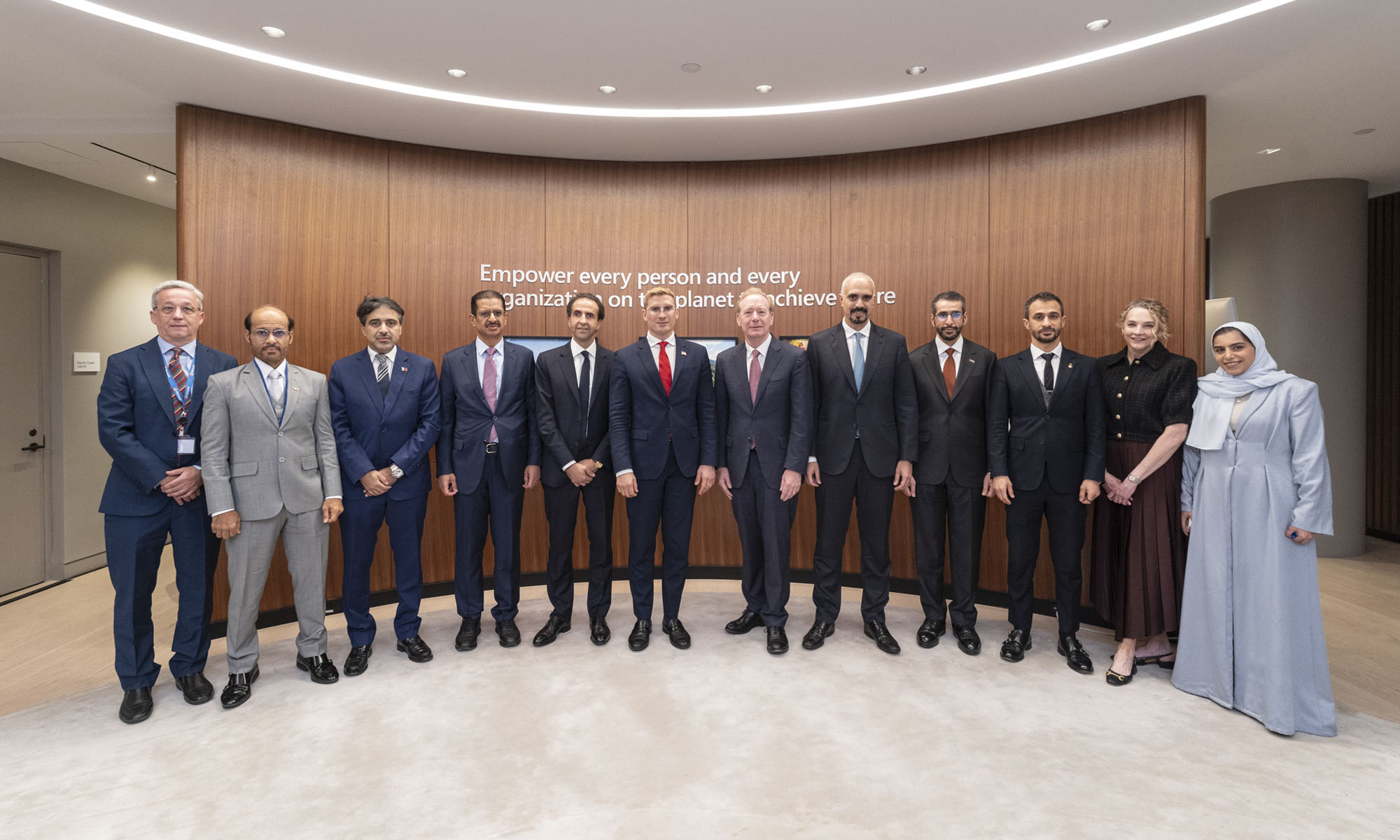
Microsoft is planning more than $10 billion of investment across the UAE, Saudi Arabia, Qatar and Kuwait through 2030, Vice Chair and President Brad Smith told Reuters, calling the spending schedule aggressive. The Iranian conflict that began on February 28 has not persuaded the company to scale back.
“We’re sustaining all the investments we planned to make before this conflict started, and we are in fact adding to them,” Smith said. The $10 billion-plus total does not, however, show how large those additions are.
The investment, which Smith described as part of Microsoft’s continued infrastructure expansion, is aimed at cloud and AI infrastructure and at the company’s growing regional operations. Microsoft also intends to put more than $400 million into subsea and terrestrial connectivity across the Middle East by 2030.
The spending fits the region’s own ambitions too. Gulf governments have been investing heavily in AI infrastructure as part of a push to diversify their economies beyond oil and gas and turn themselves into global technology hubs. Major cloud and AI providers have been drawn in part by the land and relatively low-cost energy on offer.
Microsoft is widening its partnerships with regional AI companies, though not on identical terms. In 2024, it invested $1.5 billion in Abu Dhabi-based G42 for a minority stake, and Smith currently sits on G42’s board. Saudi Arabia’s Humain and Qatar’s Qai are working with Microsoft on selected priority areas, but Smith said the company does not plan to make capital investments in either.
Also Read: Egypt’s Mobile Wallets Are Booming, But Cash Still Has Power
The conflict has added another strand to Microsoft’s work in the region. Since it began, Smith said, the company has supported regional partners with digital resilience assessments, and it is now working with Gulf countries through a digital resilience initiative focused on preparedness and the protection of critical data.
So far, the company has given no country-by-country breakdown of the investment, citing security among other factors. So while the headline figure is public, how Microsoft divides the spending among the four countries is not.

Microsoft Plans $10 Billion-Plus Gulf Expansion Despite Iran Conflict

In Kuwait, Your Surgeon Might Be Operating From Another Country

Qatar Folds 45 State Companies Into A Single Investment Platform

Trip.com Is Betting An AI Agent Will Book Your Next Vacation

Meta’s New $499 Plan Puts A Price On Reaching A Real Person

Visa’s Return To Syria Starts With A Test And A Bank In Lebanon

Apple’s Latest Product Releases Make The Headlines

Apple’s First Folding iPhone Arrives Late To A Shrinking Market

Egypt’s Mobile Wallets Are Booming, But Cash Still Has Power