
News
Foundster Is Dubai’s New AI-Driven Company Setup Service
The AI-powered platform revolutionizes business formation using conversational AI while offering personalized guidance on visas and more.

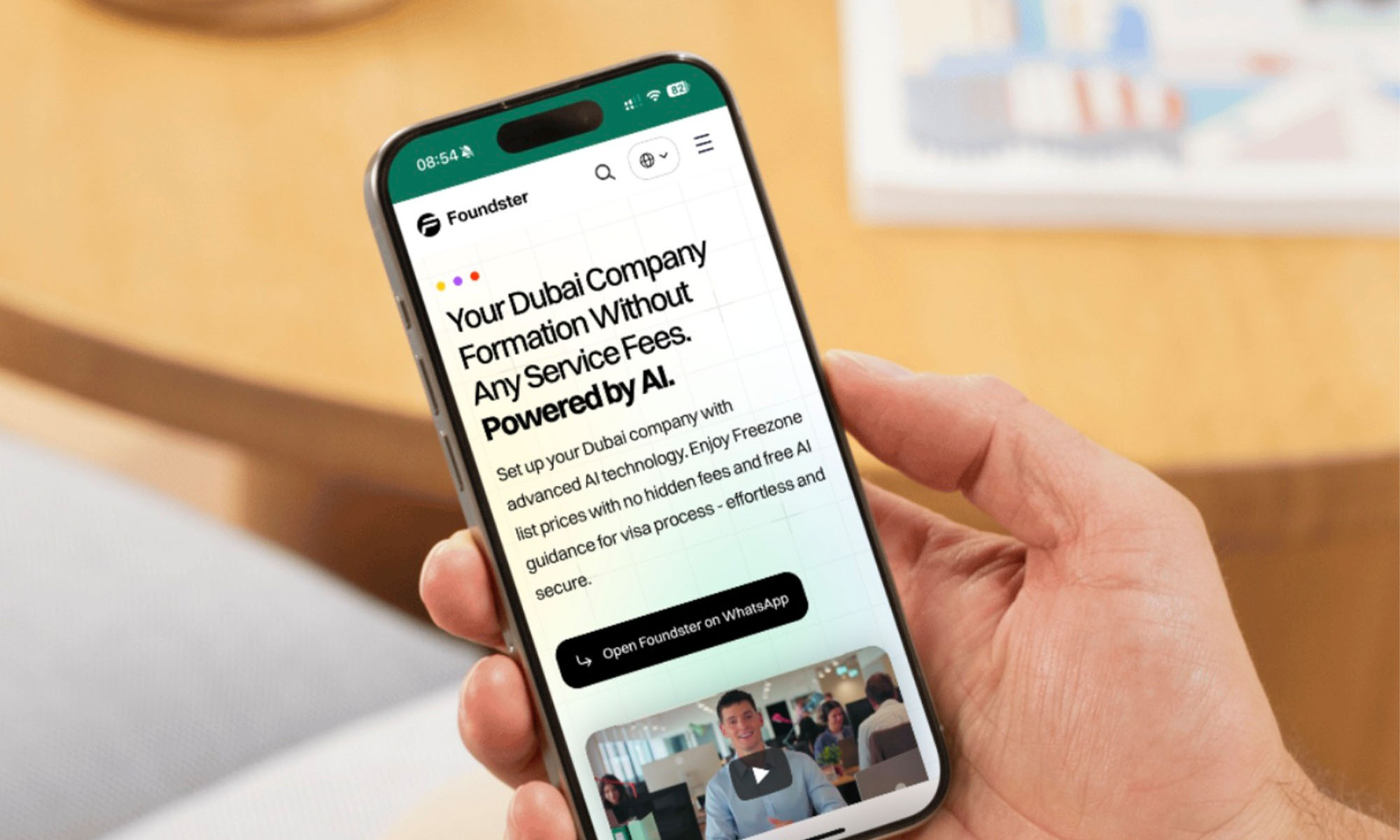
Foundster is a new AI-powered platform designed to simplify the often convoluted process of starting a business in Dubai. Using conversation-based artificial intelligence, the service streamlines company formation, making the process far more efficient for aspiring entrepreneurs.
At its core, Foundster employs advanced AI technology trained on over 980,000 words of specialized content related to UAE corporate law and Freezone regulations. This gives the chatbots the expertise needed to act like knowledgeable business consultants. Entrepreneurs can share their business ideas with AI Assistants through the Foundster website or even via WhatsApp. After evaluating the business concept, AI then ensures compliance with legal requirements and offers tailored solutions to create an optimal company structure.
The process is straightforward and conversational: Founders describe their project, and the AI responds with relevant questions to guide them, helping with everything from selecting the right business activities to choosing a company name and configuring the shareholder structure. The entire experience feels more like chatting with a seasoned consultant than dealing with the traditional complexities of setting up a business.
Even after a company is established, the Foundster Assistant remains a reliable guide. It supports visa applications by sending reminders, providing directions to government offices, and offering quick answers to questions about processes like medical checks and biometric scans. This 24/7 assistance ensures a smooth journey through every stage of the business setup.
Also Read: The Most AI-Proof Career Opportunities In The Middle East
Tobias Hieb, a successful German internet entrepreneur and the driving force behind Foundster, shared his vision in a press release: “At Foundster, we use AI in a very focused way: It handles tasks where it provides founders with the greatest added value. Our experience from supporting hundreds of companies has shown us where the most common challenges lie. We address exactly these pain points with our AI Assistant, making the formation process significantly more efficient”.
The platform’s current focus is on formations in the IFZA Freezone, but the team has ambitious plans for growth. “The successful launch […] is just the beginning,” Hieb stated. “We’re expanding Foundster to include additional Freezones and Mainland formations. Our ultimate goal is to make Foundster the central digital hub for company setups in the UAE. Founders will be able to compare all available options and identify the best solution for their business model”.





News
Abu Dhabi’s Robot Kitchen Is Serving Up Biryani, Not Burgers
Circus SE wants to put a tiny automated factory inside the buildings where Gulf residents live and work, bypassing part of last-mile delivery.
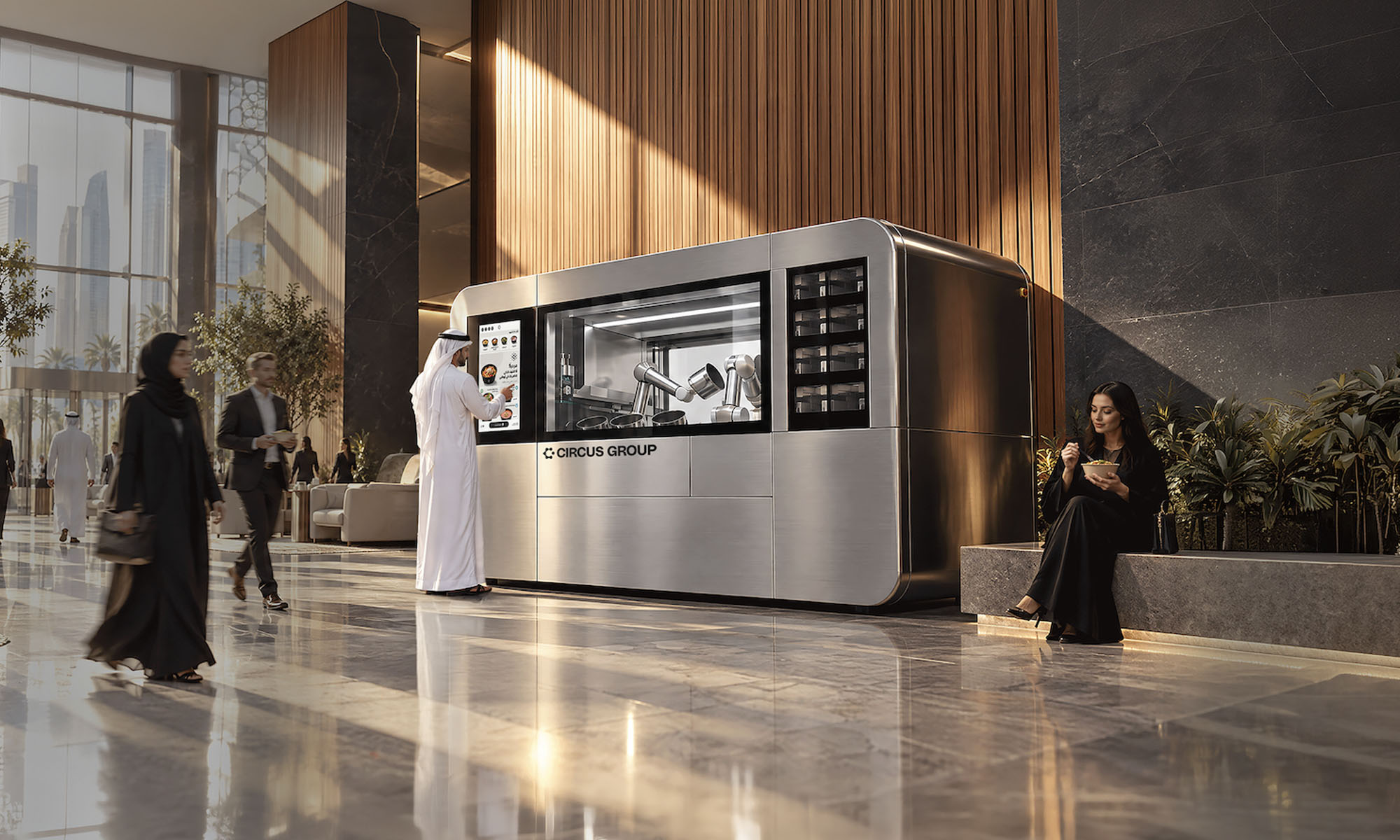
The most telling thing about a new autonomous kitchen now running in Abu Dhabi’s Marina Square is what it won’t cook:
“We don’t do fast food,” says Nikolas Bullwinkel, Founder and CEO of Circus SE. “We’ve actively decided not to build a machine that can only do burgers”.
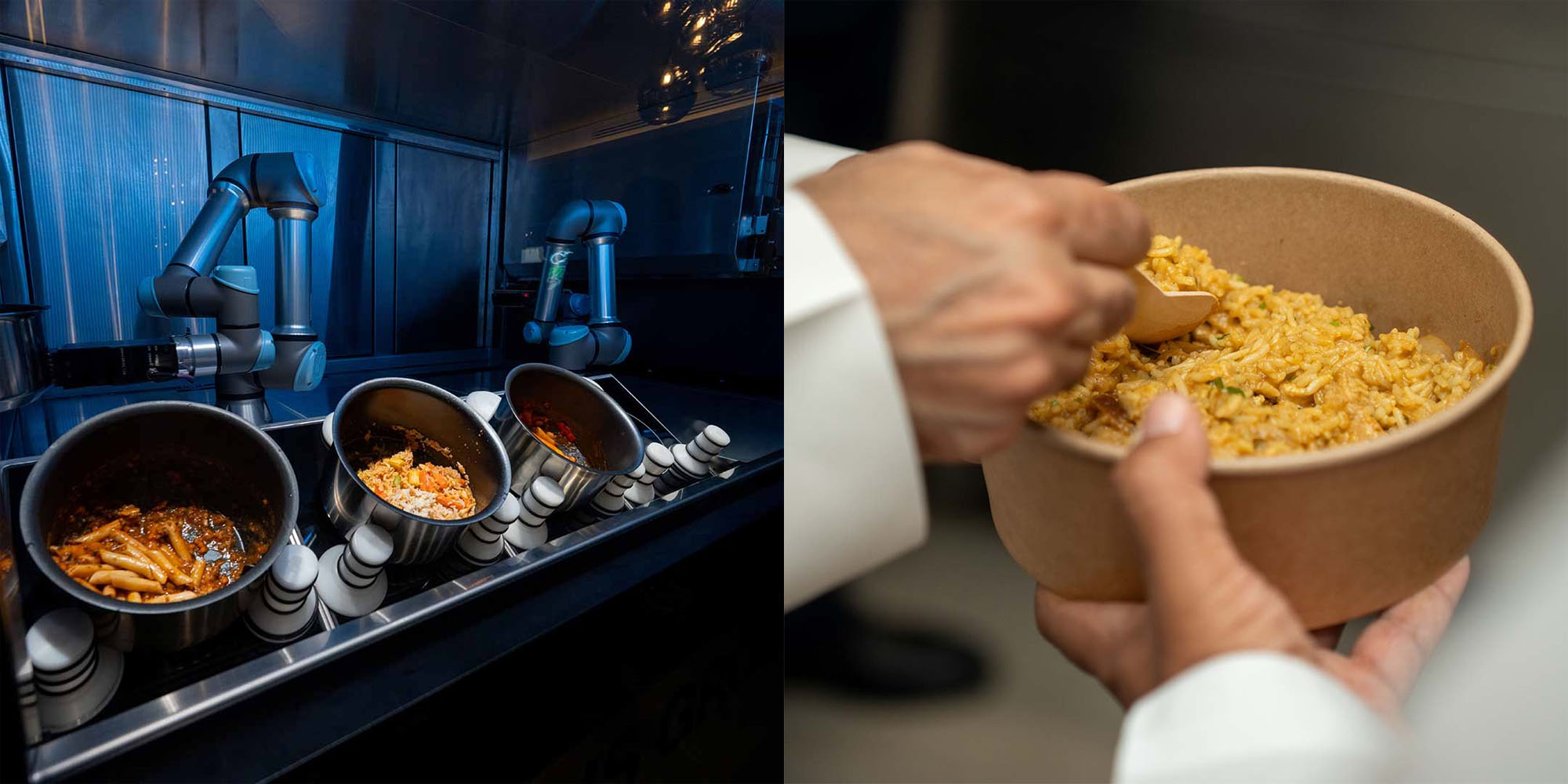
Instead, the CA-1 system is built around pot-based cooking: curries, pastas, soups and rice dishes. After experimenting with highly personalized recipes, Circus deliberately leaned back toward recognizable food. “We’re going with a chicken biryani because you know it,” Bullwinkel says of the AED 40 dish.
The Germany-based robotics and food technology company operates across eight countries, and Abu Dhabi is its first deployment outside Europe. More locations are expected there and in Dubai.
In Germany, its units can be placed in supermarkets, gas stations, airports and hospitals. In the Gulf, Bullwinkel wants them inside residential and office buildings, replacing some of the complexity of last-mile delivery. “We’re basically bringing a very tiny factory a few square meters into your building,” he says. Catering company Royal Prestige supplies the ingredients and knowledge of local tastes.
The CA-1 manages up to 36 refrigerated ingredient silos alongside automated induction cooking, robotic plating and a self-cleaning dishwasher. Two robotic arms move ingredients through the system with minimal human intervention. It can produce up to 120 hot meals an hour, and a meal such as rice and curry can take around three to four minutes.
Also Read: Ooredoo Qatar’s 5G+ Network Is Built For Machines As Much As People
Five cameras and multiple sensors monitor heat, temperature and consistency, an attempt to approximate what a chef perceives. “You can hear something gets burned, you can smell it, you can see it at some point,” Bullwinkel says. CircusOS, the company’s operating system, adjusts recipes in real time.
You might think of the platform as a threat to kitchen staff, but Bullwinkel frames Circus as a way for chefs to develop recipes and distribute them at scale. With that being said, rising labor costs and shortages are also part of his case for automation.

Abu Dhabi’s Robot Kitchen Is Serving Up Biryani, Not Burgers

Sennheiser’s MOMENTUM 5 Series Bets On Batteries You Can Swap

UAE’s 3-Minute University Registration Runs On Government Data

How Online Ads Became A Delivery System For Zero-Click Spyware

Shokz OpenDots 2 Review: Clip-On Audio Gets A Bass-Heavy Makeover

Dubai Says Its Deepfake Detector Needs Just 7 Seconds Of Video

New Disney+ Streaming App Has Officially Launched In The UAE

NEOPAY Wants To Follow Merchants Across Channels And Borders

RØDE’s Low-Profile Studio Arm Is Designed To Stay Out Of Shot

G42’s Inception42 Wants AI To Show Its Work Before Investors Commit


-
 News3 weeks ago
Dubai Says Its Deepfake Detector Needs Just 7 Seconds Of Video
-
 News3 weeks ago
New Disney+ Streaming App Has Officially Launched In The UAE
-
 News3 weeks ago
NEOPAY Wants To Follow Merchants Across Channels And Borders
-
 News4 weeks ago
RØDE’s Low-Profile Studio Arm Is Designed To Stay Out Of Shot