
News
Instagram AI Studio: Create Custom Chatbots With Your Personality
Meta’s new feature allows users to create custom chatbots with unique personalities that can interact with fans and help in role-play scenarios.

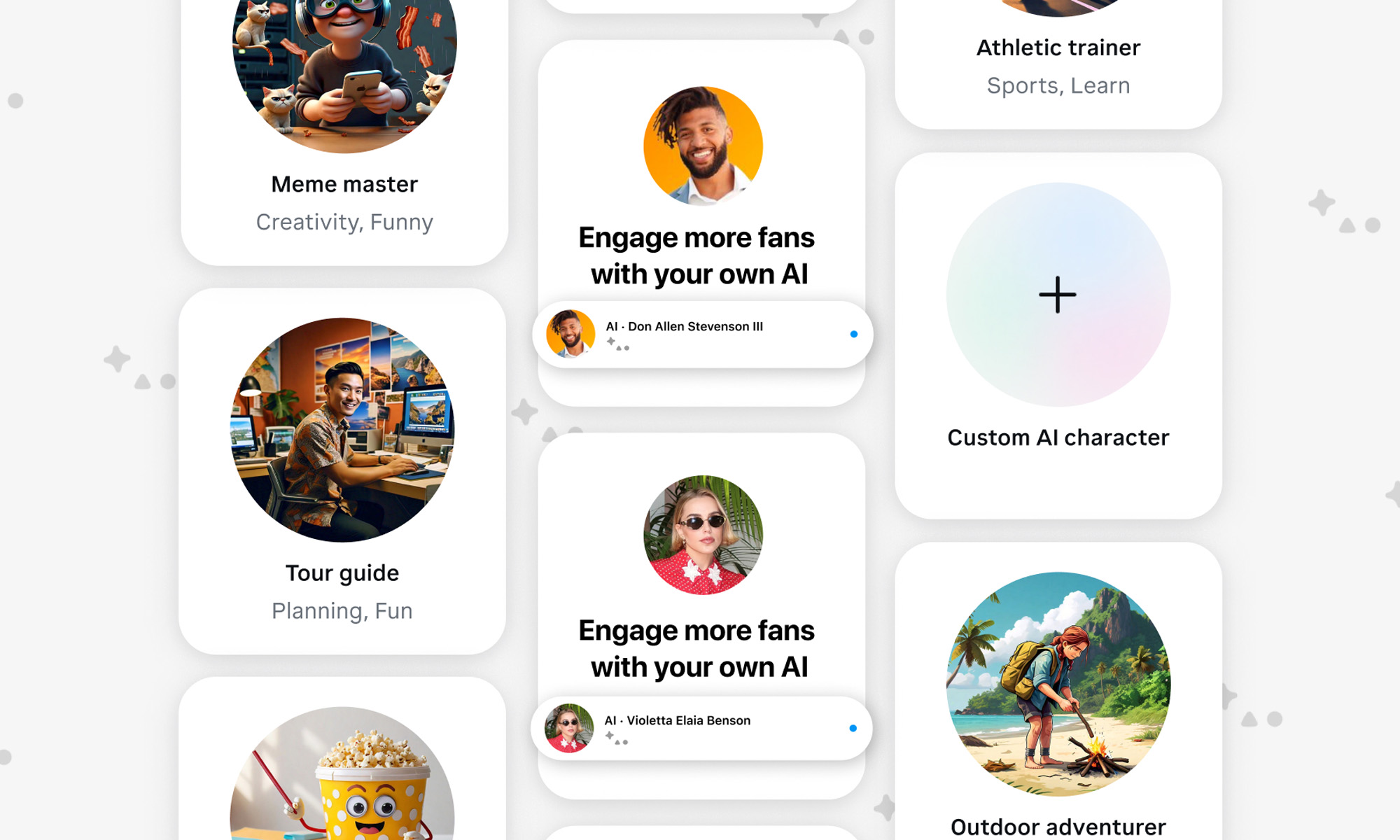
Meta has unveiled a new tool called AI Studio, enabling users to create virtual characters with personalized traits and interests, including versions of themselves that can interact with audiences through direct messages.
AI Studio is initially rolling out to Instagram Business account holders and will be available to all Meta users in the United States within the next few weeks. The platform will be accessible via ai.meta.com/ai-studio and the Instagram app, as well as through WhatsApp, Messenger, and browsers.
Mark Zuckerberg, Meta’s CEO, envisions users creating custom AI chatbots for entertainment purposes or as personal support tools. For instance, chatbots could be used for role-play scenarios like negotiating a pay rise or resolving a conflict with a friend. These kinds of interactions provide a safe space for users to practice and receive feedback on various social situations.
To ensure responsible use, AI Studio includes features that allow users to restrict who can interact with their chatbots and control the topics they discuss. The platform’s usage policy also explicitly prohibits the creation of chatbots deemed hateful, explicit, or illegal.
In a blog post, Meta highlighted several chatbots developed by celebrities using AI Studio. For example, chef Marc Murphy created a chatbot named “Eat Like You Live There!” to offer dining recommendations, while photographer Angel Barclay designed “What Lens Bro,” a bot providing photography tips.
Also Read: Top Free AI Chatbots Available In The Middle East
Meta’s AI Studio handbook provides guidance on customizing chatbots, allowing users to input a detailed description, choose a name, and upload an image. They can also specify how bots should respond to particular prompts. The system, leveraging Meta’s powerful Llama model, improvises responses based on these instructions.
In addition to AI Studio, Meta also introduced another innovative tool, known as Segment Anything Model (SAM) 2. The technology can identify and track the contents of images and videos, which Zuckerberg demonstrated by showcasing its ability to monitor cattle on his vast ranch in Kauai. The Facebook founder also noted that SAM2 has broader applications, such as studying coral reefs, natural habitats, and landscape changes.


News
Microsoft Plans $10 Billion-Plus Gulf Expansion Despite Iran Conflict
Security is shaping Microsoft’s approach, from resilience work with governments to what it will say about how the money splits by country.
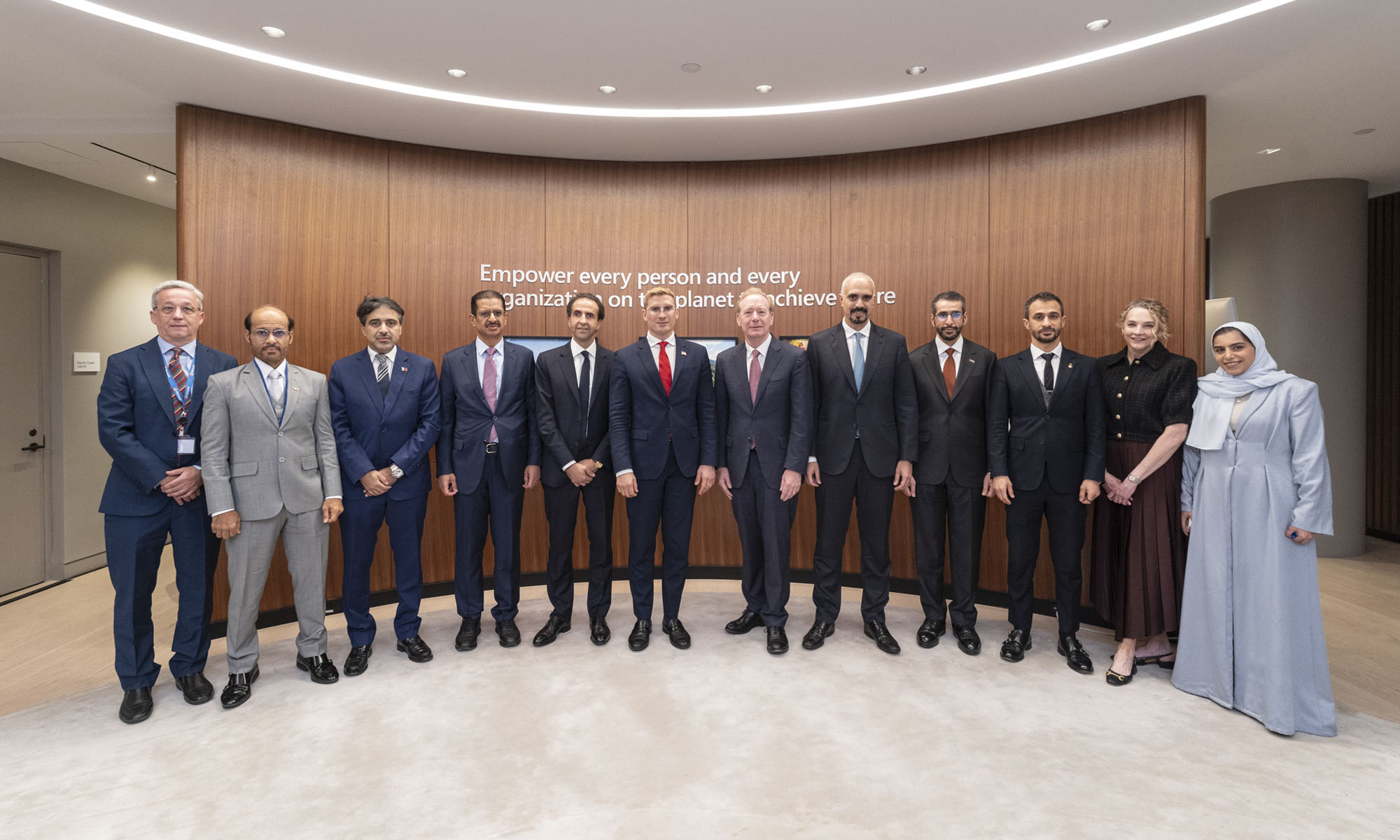
Microsoft is planning more than $10 billion of investment across the UAE, Saudi Arabia, Qatar and Kuwait through 2030, Vice Chair and President Brad Smith told Reuters, calling the spending schedule aggressive. The Iranian conflict that began on February 28 has not persuaded the company to scale back.
“We’re sustaining all the investments we planned to make before this conflict started, and we are in fact adding to them,” Smith said. The $10 billion-plus total does not, however, show how large those additions are.
The investment, which Smith described as part of Microsoft’s continued infrastructure expansion, is aimed at cloud and AI infrastructure and at the company’s growing regional operations. Microsoft also intends to put more than $400 million into subsea and terrestrial connectivity across the Middle East by 2030.
The spending fits the region’s own ambitions too. Gulf governments have been investing heavily in AI infrastructure as part of a push to diversify their economies beyond oil and gas and turn themselves into global technology hubs. Major cloud and AI providers have been drawn in part by the land and relatively low-cost energy on offer.
Microsoft is widening its partnerships with regional AI companies, though not on identical terms. In 2024, it invested $1.5 billion in Abu Dhabi-based G42 for a minority stake, and Smith currently sits on G42’s board. Saudi Arabia’s Humain and Qatar’s Qai are working with Microsoft on selected priority areas, but Smith said the company does not plan to make capital investments in either.
Also Read: Egypt’s Mobile Wallets Are Booming, But Cash Still Has Power
The conflict has added another strand to Microsoft’s work in the region. Since it began, Smith said, the company has supported regional partners with digital resilience assessments, and it is now working with Gulf countries through a digital resilience initiative focused on preparedness and the protection of critical data.
So far, the company has given no country-by-country breakdown of the investment, citing security among other factors. So while the headline figure is public, how Microsoft divides the spending among the four countries is not.

Microsoft Plans $10 Billion-Plus Gulf Expansion Despite Iran Conflict

In Kuwait, Your Surgeon Might Be Operating From Another Country

Qatar Folds 45 State Companies Into A Single Investment Platform

Trip.com Is Betting An AI Agent Will Book Your Next Vacation

Meta’s New $499 Plan Puts A Price On Reaching A Real Person

Apple’s First Folding iPhone Arrives Late To A Shrinking Market
Trip.com Is Betting An AI Agent Will Book Your Next Vacation

Egypt’s Mobile Wallets Are Booming, But Cash Still Has Power

OKX Bets Streaming Perks Can Take Crypto Mainstream Across MENA

Apple’s Latest Product Releases Make The Headlines


-
 News3 weeks ago
Apple’s First Folding iPhone Arrives Late To A Shrinking Market
-
 News2 weeks ago
Trip.com Is Betting An AI Agent Will Book Your Next Vacation
-
 News2 weeks ago
Egypt’s Mobile Wallets Are Booming, But Cash Still Has Power
-
 News2 weeks ago
OKX Bets Streaming Perks Can Take Crypto Mainstream Across MENA