
News
LUVED Is A New Curated Preloved Marketplace For The UAE
Sellers keep 100 percent of every sale and AI can build a listing in five seconds — though the app’s smartest tools are still coming.


Secondhand shopping has become mainstream in the UAE, but the experience is still scattered across resale sites, social media and informal group chats. LUVED, a mobile-first marketplace that launched in Dubai this month, is betting it can pull that activity into one place — and that the thing buyers and sellers actually want is not more inventory, but trust.
The app trades in what it calls circular luxury: preloved fashion and lifestyle pieces across men’s, women’s and children’s categories, bought, sold or given away peer to peer. Its main pitch is economics, with sellers keeping 100 percent of every sale under a zero-commission, fast payout model, while buyers are promised vetted pieces at lower prices.
Where LUVED is staking its reputation is verification. Sellers pass a KYC check, and items run through a two-layer authentication system powered by Entrupy that pairs instant AI screening with human expert review for high-value pieces. Authenticity certificates travel with each item, payments sit in escrow, and a buyer-protection package the company calls The Safety Net adds a 48-hour return window and dispute resolution. Door-to-door logistics removes the in-person meetups that make most resale deals awkward.
An in-app assistant called Luvbot — offering selling insights and demand-based recommendations — is soon to be introduced to the platform. Other features include autofill and dynamic pricing that lets users build a listing in as little as five seconds from three photos, plus a swipe-based feed, story-style drops and in-app chat in English and Arabic. Finally, a gifting layer, Luved & Gifted, lets users pass items to others inside the app rather than sell them.
Also Read: Logitech’s New Folding Mouse Is Designed For Work On The Go
“After moving to Dubai, I saw how difficult it was to sell or even give things away,” says founder and CEO Shaima Sibtain. The friction is real, and so is the competition. In resale, trust is won transaction by transaction — and that is the test LUVED has set itself.
The app is live on the App Store now, with Google Play to follow. The company also plans to expand across the region, which will be the real test for a marketplace staking everything on trust.




News
Visa’s Return To Syria Starts With A Test And A Bank In Lebanon
Foreign visitors will be the first users to benefit, but whether Syria’s own banks and cardholders follow is still an open question.

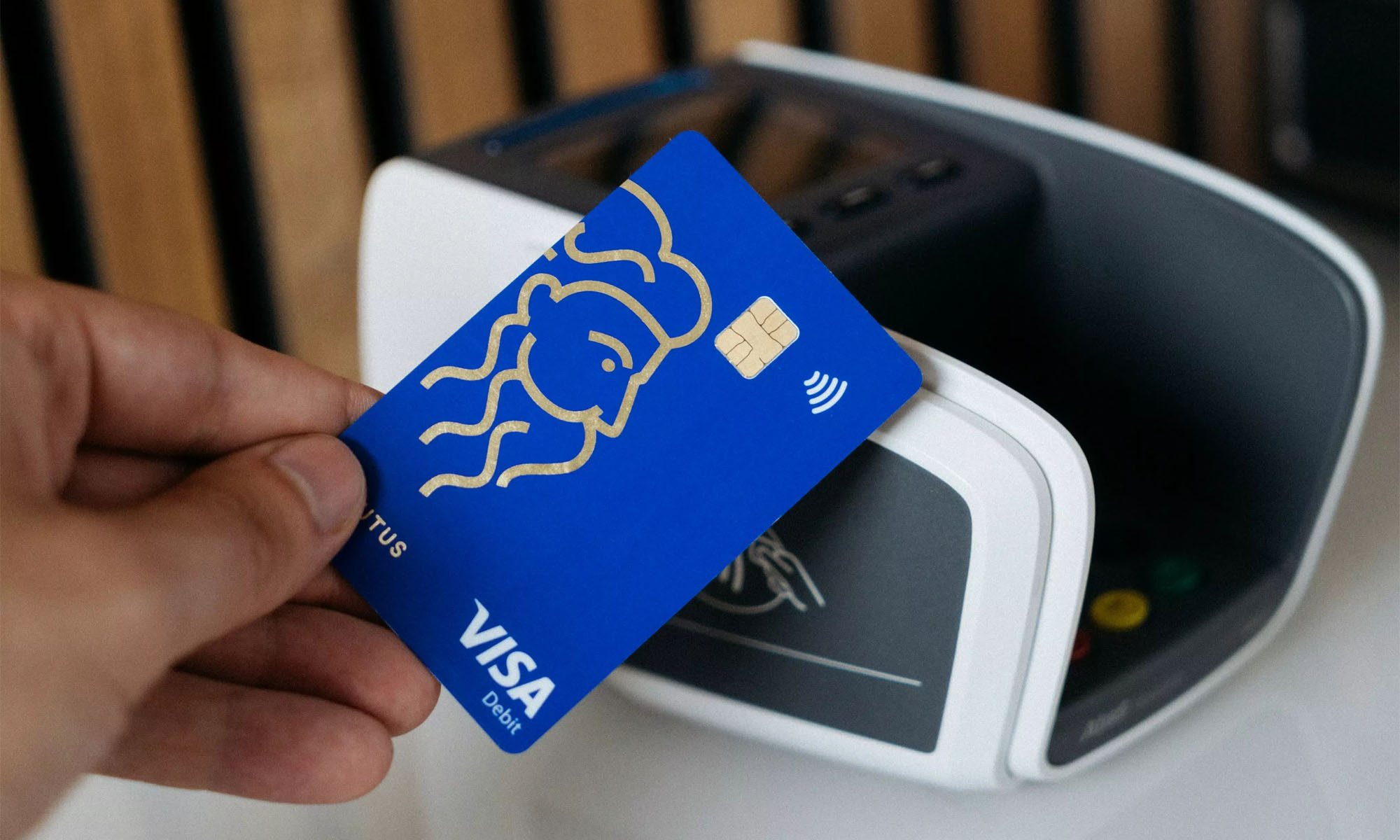
Visa is returning to Syria. Its first live international card transaction in the country was a test rather than a launch, and the milestone event ran through a Lebanese bank.
The acquirer (the bank on the merchant’s side of a card payment) was Fransabank Lebanon, with Paymera as the other named partner. Nadim Moujaes, who heads a Fransabank Group subsidiary, describes the test as both the culmination of “longstanding efforts to link Syria back to international payment networks” and “the first step in a larger path”.
Syrian President Ahmed Al-Sharaa makes the first electronic payment in Syria using a @Visa card at a store in Damascus, following the lifting of US sanctions on Syria. pic.twitter.com/lpAN7nQ6Fc
— Tech Magazine (@TechMGZN) August 27, 2026
“We are excited to have successfully tested live transactions today as we plan to enable international visitors to use their Visa cards while in Syria,” says Leila Serhan, Visa’s senior vice president and group country manager for the North Africa, Levant and Pakistan region. Although a significant first step, that plan doesn’t come with a hard date for when a visitor’s card will work normally.
Mohammed Safwat Raslan, governor of the Central Bank of Syria, says the test paves the way for international card acceptance in Syria and that maintaining strong compliance, risk management and operational controls will remain essential. Serhan likewise stresses that Visa has worked within applicable legal, regulatory and compliance requirements. For a test transaction, it seems there was a great deal of attention paid to the rules, with the entire operation being carefully managed.
Also Read: Lebanon’s 5G Era Begins With 150 Stations And A $1M Budget
The test is the latest step in a sequence that began in December 2025, when Visa announced a strategic roadmap to support Syria’s integration into the global digital economy. In February 2026 it hosted its first industry gathering of banks, ecosystem partners and policymakers in Damascus and, the same month, signed an agreement with Syria’s Ministry of Communications and Information Technology in San Francisco.
Michel Kattouah, Paymera’s CEO, called the test “the return of international card acceptance,” but while that’s positive news, there’s no word yet on when a Syrian bank will issue a Visa card to a Syrian customer.

Visa’s Return To Syria Starts With A Test And A Bank In Lebanon

RØDE’s New DS3 Studio Arm Is Built For Heavier Creator Setups

Dubai Turns AI On Its Own Civil Service To Measure Productivity

Former Rockstar Director Dismisses GTA 6 Leaks As “Nothing Burger”

Qatar Airways Flies The World’s First Starlink-Equipped 787-9

Samsung And Spotify Offer Free Premium Deal In MENA

Spotify Will Now Tell You If Your Favorite Artist Isn’t Real

Instagram Redraws Its Wordmark And The Internet Reads “Instagzam”

Anghami’s New Elite Program Starts With A Three-Decade Catalog

Qatar Is Getting Its First EV Plant, Built To Cope With Gulf Heat


-
 News3 weeks ago
Spotify Will Now Tell You If Your Favorite Artist Isn’t Real
-
 News3 weeks ago
Instagram Redraws Its Wordmark And The Internet Reads “Instagzam”
-
 News2 weeks ago
Anghami’s New Elite Program Starts With A Three-Decade Catalog
-
 News3 weeks ago
Qatar Is Getting Its First EV Plant, Built To Cope With Gulf Heat