
News
Nano Banana 2 Arrives In MENA For Google Gemini Users
Google brings its latest image model to Gemini and Search, adding 4K output and tighter text control for regional users.


Google has opened access to Nano Banana 2 across the Middle East and North Africa, pushing its newest image model into everyday tools rather than keeping it inside the exclusive (and expensive) Pro tier.
The rollout spans the Google Gemini desktop and mobile apps, and extends to Google Search through Lens and AI Mode. Developers can also test it in preview via AI Studio and the Gemini API.
Nano Banana 2 runs on Gemini Flash, Google’s fast inference layer. The focus is speed, but also control. Users can export visuals from 512px up to 4K, adjusting aspect ratios for everything from vertical social posts to widescreen displays.
The model maintains character likeness across up to five figures and preserves fidelity for as many as 14 objects within a single workflow. This enables visual continuity across scenes, iterations, or edits — supporting projects like short films, storyboards, and multi-scene narratives. Text rendering has also been improved, delivering legible typography in mockups and greeting cards, with built-in translation and localization directly within images.
Also Read: RØDE Adds Direct iPhone Pairing To Wireless GO And Pro Mics
Under the hood, the system taps Gemini’s broader knowledge base and pulls in real-time information and imagery from web search to render specific subjects more accurately. Lighting and fine detail have been upgraded, without slowing output.
By embedding the model inside Gemini and Search, Google is normalizing advanced image generation for a mass audience. In MENA, where startups and marketing teams are leaning heavily on AI to scale content across languages and borders, that shift lands at a practical moment.
The move also folds creative tooling deeper into search itself, so that image generation is no longer a separate workflow. It now sits right next to the query box.




News
Visa’s Return To Syria Starts With A Test And A Bank In Lebanon
Foreign visitors will be the first users to benefit, but whether Syria’s own banks and cardholders follow is still an open question.

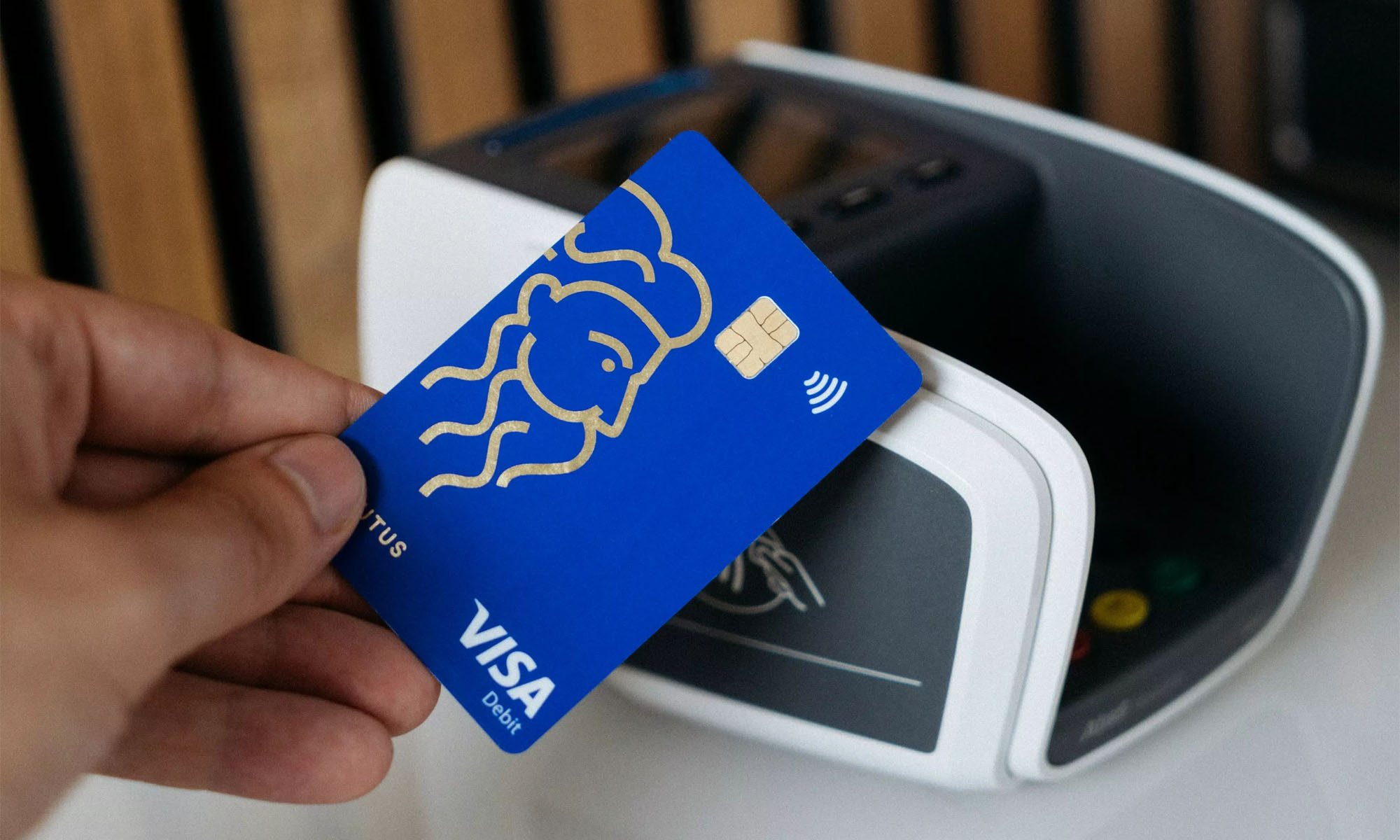
Visa is returning to Syria. Its first live international card transaction in the country was a test rather than a launch, and the milestone event ran through a Lebanese bank.
The acquirer (the bank on the merchant’s side of a card payment) was Fransabank Lebanon, with Paymera as the other named partner. Nadim Moujaes, who heads a Fransabank Group subsidiary, describes the test as both the culmination of “longstanding efforts to link Syria back to international payment networks” and “the first step in a larger path”.
Syrian President Ahmed Al-Sharaa makes the first electronic payment in Syria using a @Visa card at a store in Damascus, following the lifting of US sanctions on Syria. pic.twitter.com/lpAN7nQ6Fc
— Tech Magazine (@TechMGZN) August 27, 2026
“We are excited to have successfully tested live transactions today as we plan to enable international visitors to use their Visa cards while in Syria,” says Leila Serhan, Visa’s senior vice president and group country manager for the North Africa, Levant and Pakistan region. Although a significant first step, that plan doesn’t come with a hard date for when a visitor’s card will work normally.
Mohammed Safwat Raslan, governor of the Central Bank of Syria, says the test paves the way for international card acceptance in Syria and that maintaining strong compliance, risk management and operational controls will remain essential. Serhan likewise stresses that Visa has worked within applicable legal, regulatory and compliance requirements. For a test transaction, it seems there was a great deal of attention paid to the rules, with the entire operation being carefully managed.
Also Read: Lebanon’s 5G Era Begins With 150 Stations And A $1M Budget
The test is the latest step in a sequence that began in December 2025, when Visa announced a strategic roadmap to support Syria’s integration into the global digital economy. In February 2026 it hosted its first industry gathering of banks, ecosystem partners and policymakers in Damascus and, the same month, signed an agreement with Syria’s Ministry of Communications and Information Technology in San Francisco.
Michel Kattouah, Paymera’s CEO, called the test “the return of international card acceptance,” but while that’s positive news, there’s no word yet on when a Syrian bank will issue a Visa card to a Syrian customer.

Visa’s Return To Syria Starts With A Test And A Bank In Lebanon

RØDE’s New DS3 Studio Arm Is Built For Heavier Creator Setups

Dubai Turns AI On Its Own Civil Service To Measure Productivity

Former Rockstar Director Dismisses GTA 6 Leaks As “Nothing Burger”

Qatar Airways Flies The World’s First Starlink-Equipped 787-9

Shokz OpenFit Pro Review: Open-Ear Audio Finally Grows Up

Syria Just Got Its First Super App Featuring Built-In Digital Payments

Lebanon’s 5G Era Begins With 150 Stations And A $1M Budget

Samsung And Spotify Offer Free Premium Deal In MENA

Spotify Will Now Tell You If Your Favorite Artist Isn’t Real


-
 News3 weeks ago
Lebanon’s 5G Era Begins With 150 Stations And A $1M Budget
-
 News3 weeks ago
Samsung And Spotify Offer Free Premium Deal In MENA
-
 News2 weeks ago
Spotify Will Now Tell You If Your Favorite Artist Isn’t Real
-

 News2 weeks ago
Instagram Redraws Its Wordmark And The Internet Reads “Instagzam”