
News
Power League Gaming Survey Reveals Player Trends In UAE & KSA
The report in partnership with Ipsos reveals regional differences in the gaming landscape, including mobile dominance, spending, and inclusivity.


Power League Gaming (PLG), a leading esports marketing agency in the MENA region, has teamed up with market research firm Ipsos to deliver insights into the gaming habits and preferences of players in the UAE and Saudi Arabia. The report, based on a December 2024 survey of 300 respondents from each country, sheds light on how these two gaming hubs are evolving.
Gaming Cultures In UAE And KSA
The gaming landscapes in the UAE and Saudi Arabia have distinct characteristics: In the UAE, gamers dedicate an average of 1.2 hours per day to their hobby, while in Saudi Arabia, daily gaming time is slightly lower at one hour.
However, Saudi Arabia boasts a younger and increasingly diverse player base, with 59% aged 15-24 and 27% identifying as female. In contrast, the UAE’s gaming audience is more mature and multicultural, with 62% being expatriates and 36% aged 30 or older.
Mobile Dominates, But Other Platforms Remain Popular
Across both nations, mobile gaming is the most popular platform: In the UAE, 77% of gamers play on mobile devices, while 71% in Saudi Arabia do the same. Console gaming, however, has a stronger foothold in Saudi Arabia, with 50% of players opting for consoles compared to 46% in the UAE.
Meanwhile, the UAE leads in PC gaming, with 45% of gamers choosing desktops or laptops, compared to 34% in Saudi Arabia. These variations reflect differences in accessibility, affordability, and gaming culture in each country.
Diverse Tastes And The Role Of Localized Content
Game preferences also show distinct trends. In Saudi Arabia, Fortnite is a top choice, particularly among younger players and women. Meanwhile, PUBG and EAFC (EA Sports FC) appeal more to male gamers. In the UAE, game engagement is spread across popular titles like Minecraft, PUBG, and Fortnite, catering to a wider audience. Across both markets, localized content — including culturally relevant themes and language options — plays a key role in keeping gamers engaged.
Spending Habits And Brand Influence
In-game purchases are an integral part of the gaming ecosystem in both countries. In Saudi Arabia, 67% of gamers spend on virtual items, with an average monthly expenditure of SAR 87, while 66% of UAE gamers spend an average of AED 92. Purchasing decisions are often influenced by online reviews, social media, and discounts, presenting a clear opportunity for brands to connect with gamers through targeted marketing strategies.
Also Read: Saudi Arabia Unveils World’s First Gaming And eSport District
Gaming As Part Of Daily Life
Gaming has become more than just entertainment — it’s now a lifestyle. In Saudi Arabia, six in ten gamers report eating or drinking while playing, illustrating how gaming blends into daily routines. Both UAE and Saudi gamers also actively engage with gaming-related content on platforms like YouTube and Twitch, reinforcing gaming’s role as a social and cultural passtime.
The findings from Ipsos underscore the thriving gaming culture in both countries, each with distinct opportunities for growth. While the UAE’s gaming scene is shaped by its diverse and tech-savvy population, Saudi Arabia’s younger and increasingly inclusive gaming community signals a strong future for the industry.


News
Abu Dhabi’s Robot Kitchen Is Serving Up Biryani, Not Burgers
Circus SE wants to put a tiny automated factory inside the buildings where Gulf residents live and work, bypassing part of last-mile delivery.
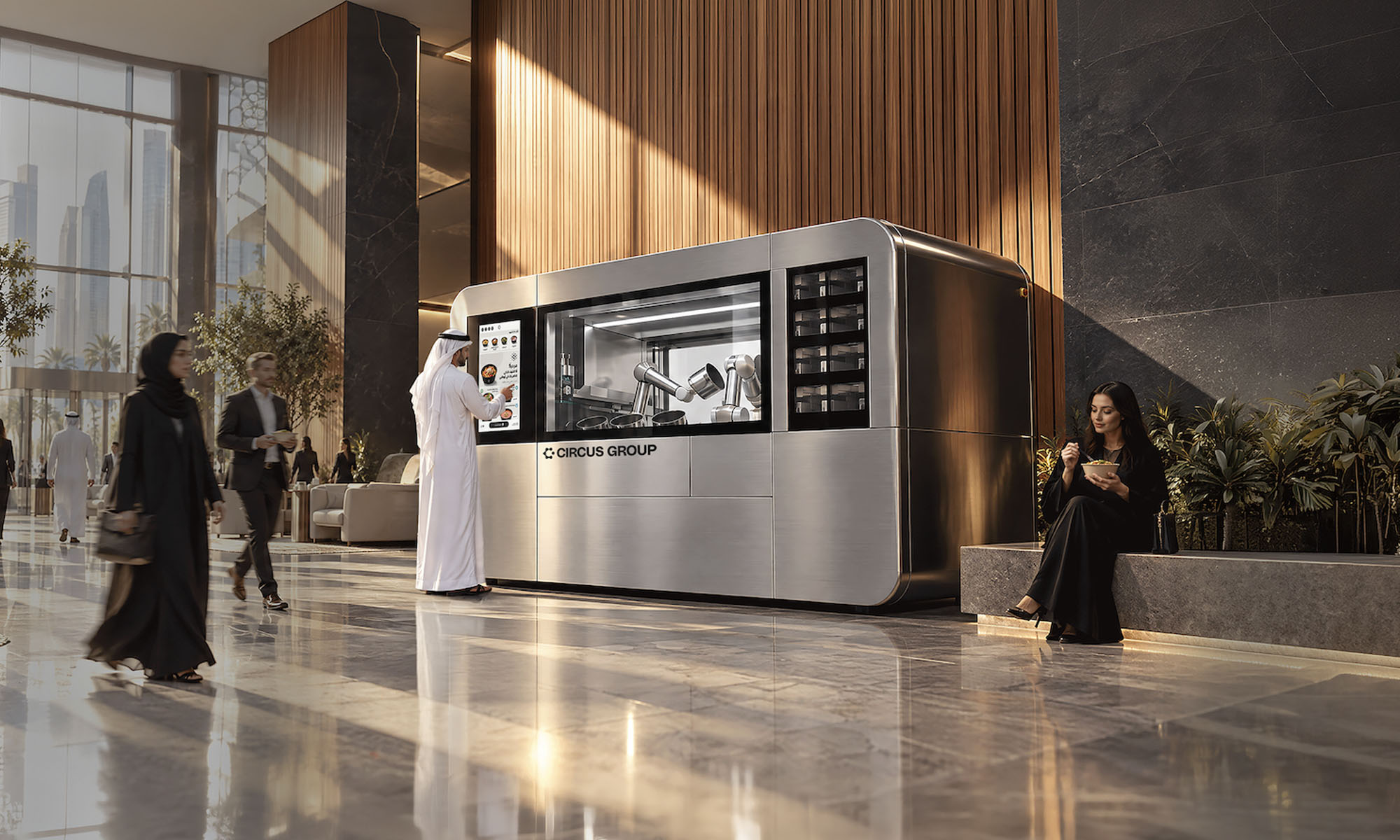
The most telling thing about a new autonomous kitchen now running in Abu Dhabi’s Marina Square is what it won’t cook:
“We don’t do fast food,” says Nikolas Bullwinkel, Founder and CEO of Circus SE. “We’ve actively decided not to build a machine that can only do burgers”.
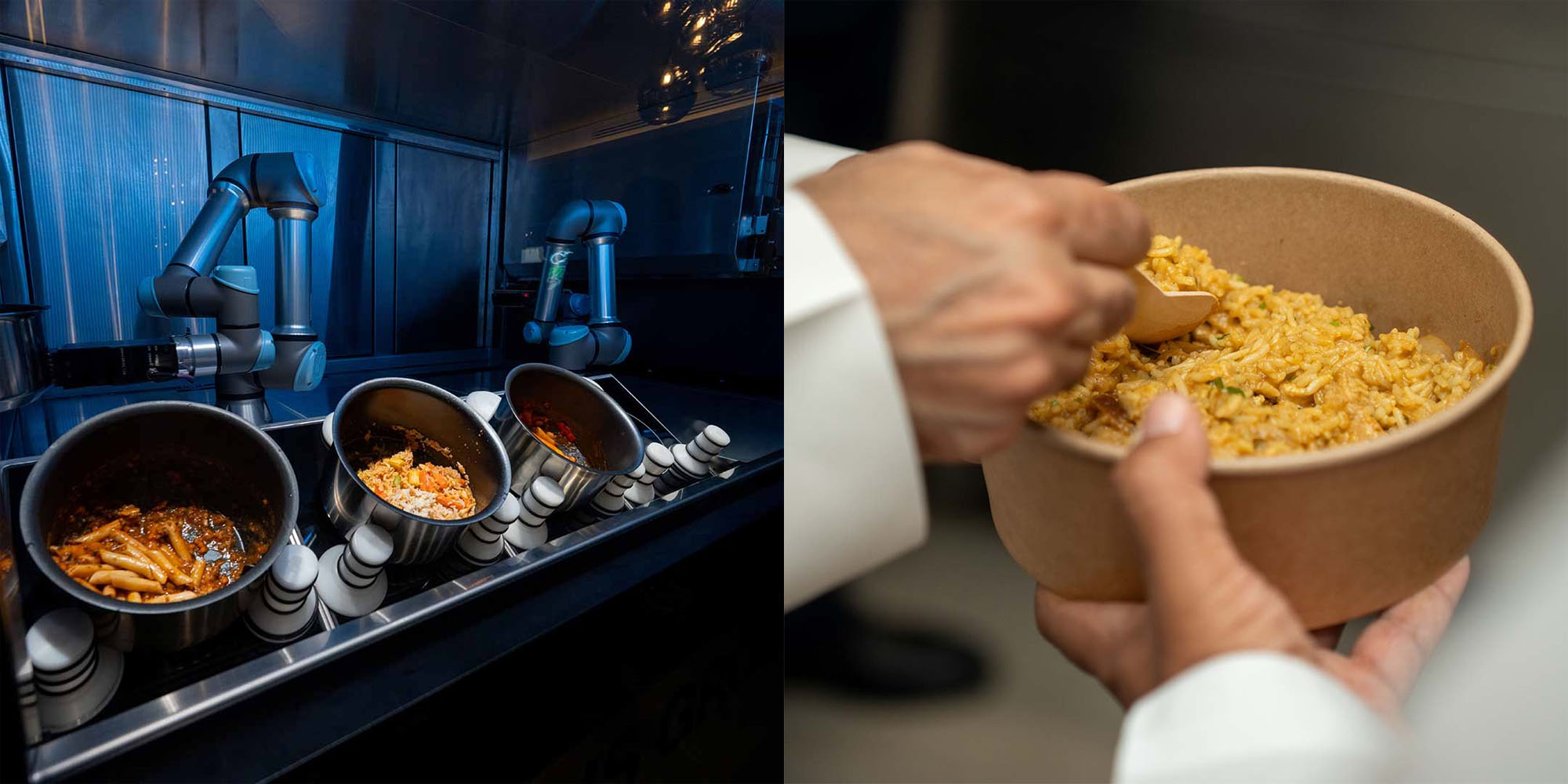
Instead, the CA-1 system is built around pot-based cooking: curries, pastas, soups and rice dishes. After experimenting with highly personalized recipes, Circus deliberately leaned back toward recognizable food. “We’re going with a chicken biryani because you know it,” Bullwinkel says of the AED 40 dish.
The Germany-based robotics and food technology company operates across eight countries, and Abu Dhabi is its first deployment outside Europe. More locations are expected there and in Dubai.
In Germany, its units can be placed in supermarkets, gas stations, airports and hospitals. In the Gulf, Bullwinkel wants them inside residential and office buildings, replacing some of the complexity of last-mile delivery. “We’re basically bringing a very tiny factory a few square meters into your building,” he says. Catering company Royal Prestige supplies the ingredients and knowledge of local tastes.
The CA-1 manages up to 36 refrigerated ingredient silos alongside automated induction cooking, robotic plating and a self-cleaning dishwasher. Two robotic arms move ingredients through the system with minimal human intervention. It can produce up to 120 hot meals an hour, and a meal such as rice and curry can take around three to four minutes.
Also Read: Ooredoo Qatar’s 5G+ Network Is Built For Machines As Much As People
Five cameras and multiple sensors monitor heat, temperature and consistency, an attempt to approximate what a chef perceives. “You can hear something gets burned, you can smell it, you can see it at some point,” Bullwinkel says. CircusOS, the company’s operating system, adjusts recipes in real time.
You might think of the platform as a threat to kitchen staff, but Bullwinkel frames Circus as a way for chefs to develop recipes and distribute them at scale. With that being said, rising labor costs and shortages are also part of his case for automation.

Abu Dhabi’s Robot Kitchen Is Serving Up Biryani, Not Burgers

Sennheiser’s MOMENTUM 5 Series Bets On Batteries You Can Swap

UAE’s 3-Minute University Registration Runs On Government Data

How Online Ads Became A Delivery System For Zero-Click Spyware

Shokz OpenDots 2 Review: Clip-On Audio Gets A Bass-Heavy Makeover

Dubai Says Its Deepfake Detector Needs Just 7 Seconds Of Video

New Disney+ Streaming App Has Officially Launched In The UAE

NEOPAY Wants To Follow Merchants Across Channels And Borders

RØDE’s Low-Profile Studio Arm Is Designed To Stay Out Of Shot

G42’s Inception42 Wants AI To Show Its Work Before Investors Commit


-
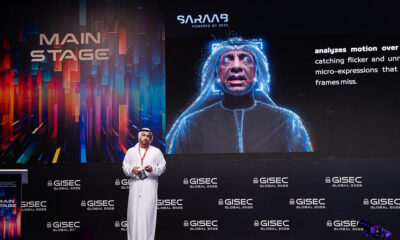 News3 weeks ago
Dubai Says Its Deepfake Detector Needs Just 7 Seconds Of Video
-
 News2 weeks ago
New Disney+ Streaming App Has Officially Launched In The UAE
-
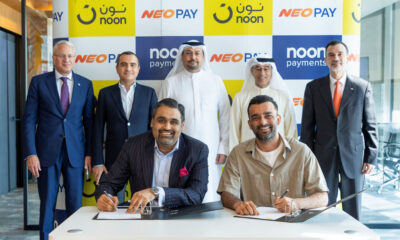 News3 weeks ago
NEOPAY Wants To Follow Merchants Across Channels And Borders
-
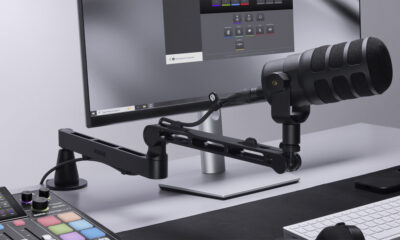 News4 weeks ago
RØDE’s Low-Profile Studio Arm Is Designed To Stay Out Of Shot