
News
RemotePass Launches Debit Card Service For Digital Nomads
The new service will enable remote workers with an active RemotePass contract to receive instant payments.

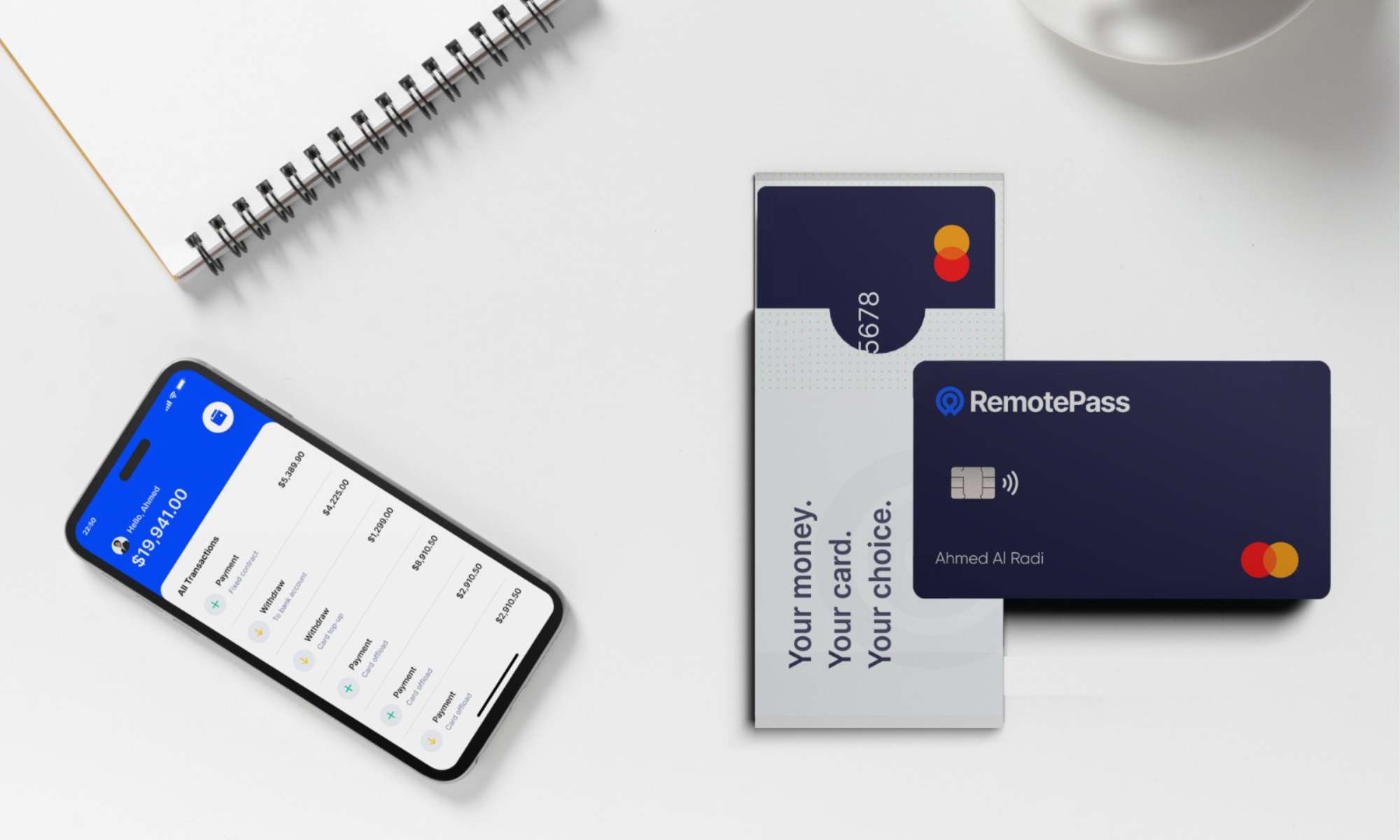
The leading remote work platform, RemotePass, has launched a physical debit card for remote workers in emerging markets. The new service allows digital nomads with an active RemotePass contract to receive instant payments with zero fees, avoiding high SWIFT charges and the lengthy wait times typically associated with international transfers.
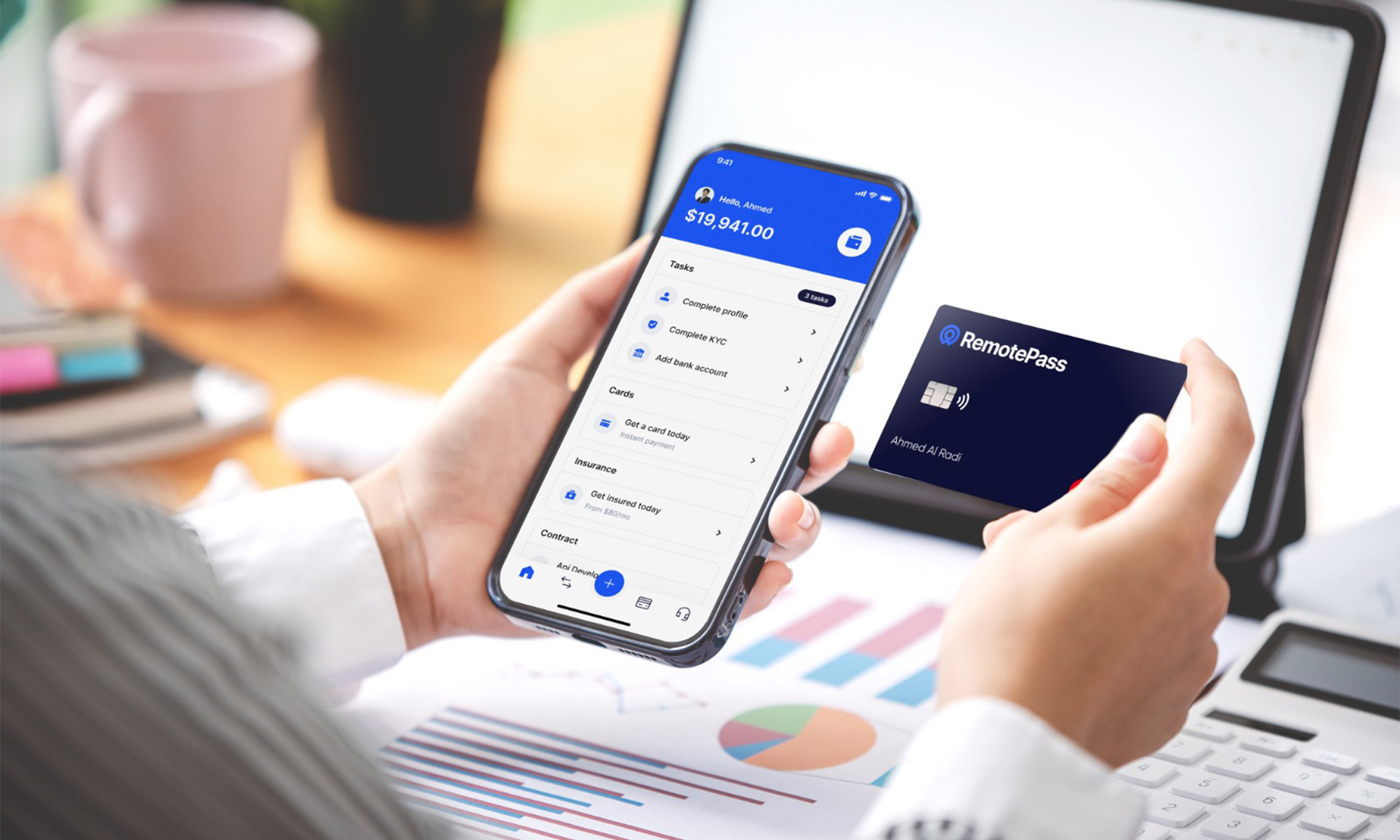
The new card service will allow users to hold funds in USD and can be used both online and offline globally, wherever Mastercard is accepted. The card forms part of the RemotePass Super App. It enables users to manage their contracts, subscribe to premium health insurance plans, track expenses, and access physical and virtual payroll cards for instant payment.
The new product offering is in line with the UAE government’s vision of attracting global talent and establishing the country as a leading hub for remote work. Through its Employer of Record services, RemotePass handles the entire relocation, visa, and insurance process for foreign companies seeking to hire and/or relocate employees or contractors in the UAE.
The UAE has become a sought-after destination for cross-border remote hiring, with companies from the US, the UK, and Saudi Arabia benefiting from access to a vast pool of highly skilled job seekers seeking full-time remote work. In addition, the UAE introduced a digital nomad visa in March 2021, allowing expatriates to reside in the country while working for their employers in their home country.
To get started with the new service, RemotePass users simply need to upload documents via the app for verification and then request a card. Once an application has been approved — usually within 48 hours — users will have complete control of their card through the mobile app, enabling them to freeze, terminate, view, and manage transactions. The RemotePass card uses 3-D Secure, which provides additional authentication for online transactions. For offline use, cardholders are required to enter their PIN for extra security.
Also Read: A Guide To Digital Payment Methods In The Middle East
“Our physical card is just one of the many ways we’re helping remote workers get the financial freedom they need to thrive. We are working with different partners to bring more localized financial services and benefits such as a reward program, advance pay and pension plans,” says Kamal Reggad, co-founder & CEO of RemotePass.
A global survey conducted by Prudential found that 42% of remote workers would consider seeking new employment if their current employer removed work-from-home options. Meanwhile, FlexJobs reported a 105% rise in searches for “remote, part-time jobs” last year, proving the need for an efficient means of receiving cross-border funds.



News
Samsung’s Galaxy Watch 9 And Ultra 2 Specs Leak Ahead Of Unpacked
An 800mAh Ultra 2 battery and a switch from Exynos to Qualcomm silicon headline the expected changes for Samsung’s next smartwatches.
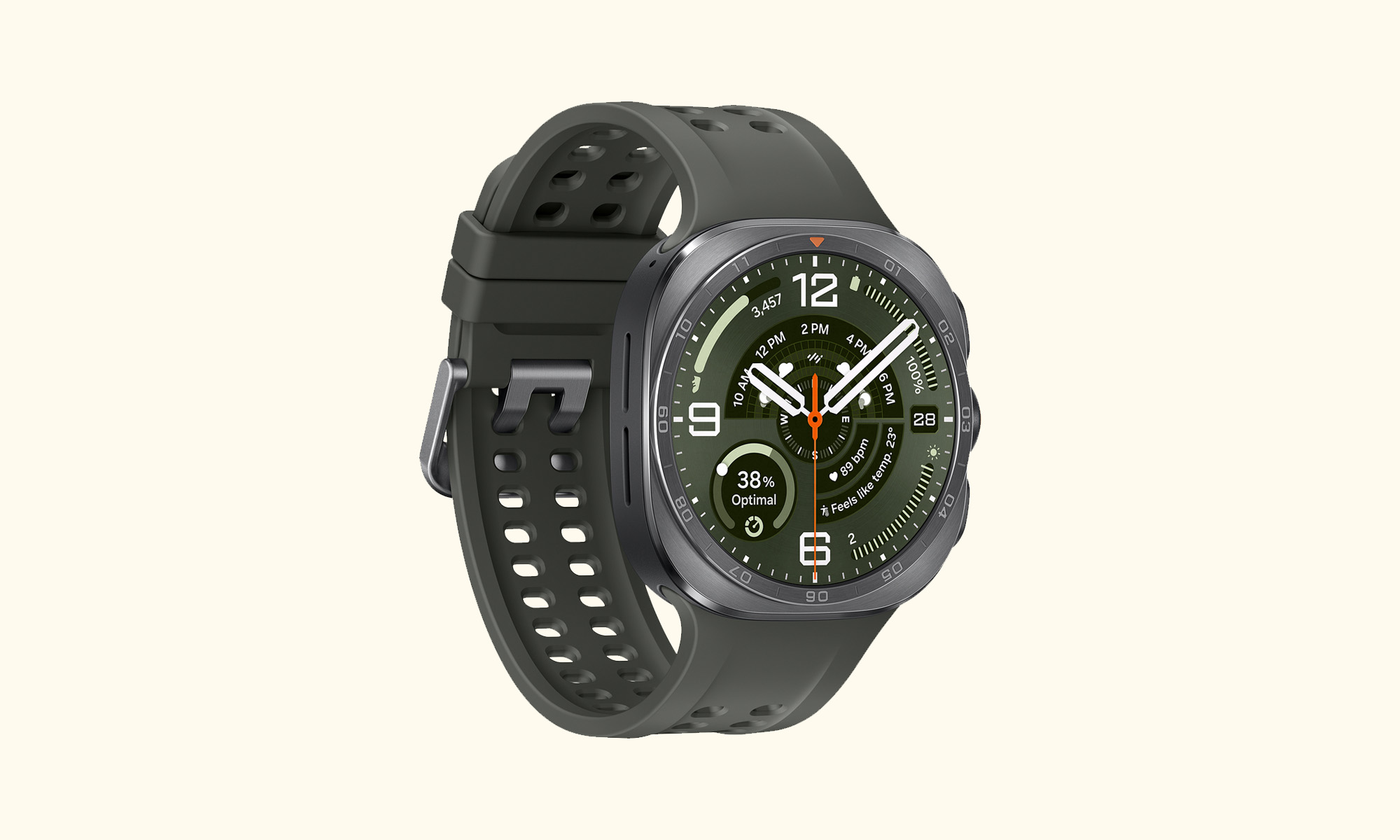
Samsung’s next smartwatches have little left to hide. A new leak reported by Android Authority has surfaced most of the remaining details about the Galaxy Watch 9 and Galaxy Watch Ultra 2, just over a week before the company’s Galaxy Unpacked event on July 22.
The biggest change is an invisible one: Samsung is expected to drop its own Exynos W1000 chip in favor of Qualcomm’s Snapdragon Wear Elite SW6100, a chipset unveiled only this year, according to the outlet.
Battery capacity looks like the other notable upgrade. Citing a report from Winfuture, Android Authority says the Watch Ultra 2 could reach 800mAh, well beyond the 590mAh cell in the current Watch Ultra. The 44mm Watch 9 reportedly gets a 445mAh cell — the same capacity as last year’s Watch 8 Classic — while the 40mm model stays at 325mAh.
The 40mm Watch 9 will reportedly feature a 438 x 438-pixel panel, with the 44mm Watch 9 and the Watch Ultra 2 sharing a larger 480 x 480-pixel screen. Samsung leaker Ice Universe has separately claimed the Ultra 2’s display could reach a peak brightness of 5,000 nits. RAM and storage vary by model, topping out at 2GB and 64GB.
Also Read: Tamper With The Recording LED & Meta’s Glasses Kill Camera
The Ultra 2 keeps its titanium case and 100-meter water resistance; the standard Watch 9 remains aluminum, rated to 5 ATM. All models are said to include Bluetooth 6.0, NFC, and dual-band WiFi, with the usual LTE variants, and ship with One UI 9 Watch running on Wear OS 7.
A separate leak puts the Galaxy Watch 9 at €409 (about $468) for the 40mm Bluetooth model, rising to €489 (about $560) for the 44mm LTE version, with the Watch Ultra 2 LTE at €749 (about $857) — figures Android Authority said were partially corroborated by Winfuture. Confirmation arrives on stage on July 22.

Samsung’s Galaxy Watch 9 And Ultra 2 Specs Leak Ahead Of Unpacked

TikTok Hopes Labels And Literacy Will Tame AI-Generated Content

A Three-Clinic Network Bets Dubai Is Ready For Longevity Medicine

YouTube Rolls Out Supervised Children’s Accounts Across MENA

Meta’s New AI Tool Builds Images From Public Instagram Photos

LUVED Is A New Curated Preloved Marketplace For The UAE

Can AI Save Your Relationship? This New “Wingman” App Thinks It Can

WhatsApp Usernames Are Coming: Here’s How To Claim Yours

Dubai Certifies The World’s First Purpose-Built Air Taxi Vertiport

OpenAI Cleared To Launch GPT-5.6 Publicly After Government Review


-
 News2 months ago
DJI Teases Dual-Camera Osmo Pocket 4P For 2026 Launch
-

 Web32 months ago
2026 Crypto Trends: Bitcoin, ETFs & The Future Of Payments
-

 News2 months ago
Lebanon Ministers Meet Visa Over National Digital Payment Platform
-

 News2 months ago
At I/O 2026, Sundar Pichai Concedes AI Must Deliver Real Value