
News
Saudi Arabia’s Hajj 2023 Expo Promises A High-Tech Pilgrimage
The Saudi Arabian government and private tech companies have shown off the latest solutions to help pilgrims enjoy a smooth experience during their journey.


Hajj is one of Islam’s most important pilgrimages, with around 2.5 million people making the journey in 2019, before COVID-19 travel restrictions forced officials to limit numbers.
This year, Dr. Tawfiq Al Rabiah, Minister of Hajj and Umrah, revealed that the number of pilgrims would be allowed to return to pre-pandemic levels. Due to the enormous scale of the annual Mecca festival, Saudi Arabian authorities must do everything in their power to ensure everything runs smoothly and safely.
During the Hajj Expo 2023, service providers from various fields came together to demonstrate their solutions, many of which involved emerging technologies.

One of the most notable new developments is the launch of a smartcard which, with the help of the Nusuk foundation, will store a user’s personal, residential, and health information in the Nusuk app. In addition, artificial intelligence (AI) will also help with “everything from performing the rituals to leaving the holy sites and the Kingdom”. Last week, the Saudi government announced that registrations would open on the ministry’s website and the Nusuk application.
Along with official service providers, private companies also exhibited their solutions. The Tawkeel application was created by a Saudi-based tech startup and aims to help pilgrims “delegate rituals”. Often, worshippers cannot travel to Mecca due to disabilities or financial reasons. The new app will allow those people to track the progress of the person performing rituals on their behalf and can also be used to ask them to recite specific prayers.
Also Read: New Tech Allows Faster Breast Cancer Detection In Middle East
Due to the scale of the event, Hajj officials often have to deal with severe accidents, including stampedes and crushes that have injured hundreds or even thousands of people. With that in mind, Tuwaiq ambulance showcased their latest vehicle, capable of evacuating 10 patients during an emergency, complete with onboard oxygen and medical supplies.
As well as emergency vehicles, site infrastructure also needs careful consideration. This year’s event will see the addition of 25 km of new ring roads around the site, which will link “the First Ring Road with the Masar project and the Makkah Reconstruction and Development project”, according to Saleh Al Rasheed, chief executive of the Royal Commission for Makkah City and Holy Sites.
The Hajj expo 2023 has shown how seriously the Kingdom is taking digital transformation. This year’s pilgrimage is shaping up to be more technologically advanced than ever before, blending traditional and modern values without diluting the importance of this sacred event.



News
Syria Just Got Its First Super App Featuring Built-In Digital Payments
Built by UAE-based Syrian founders with the Ministry of Tourism’s backing, My Syria lands as visitor numbers more than double.
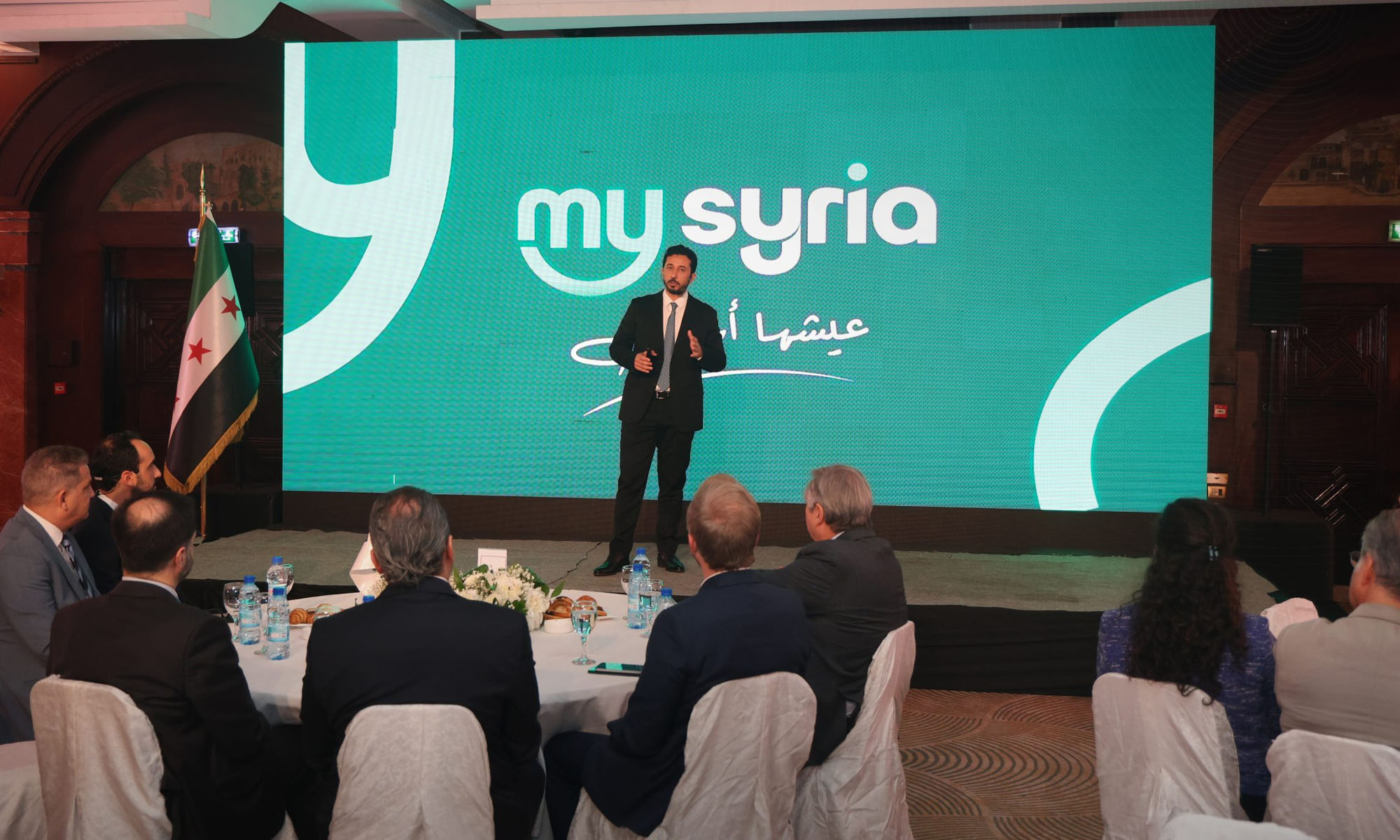
For most of the past decade, paying for anything in Syria with an international card was effectively impossible. Sanctions, a collapsed banking sector, and years of isolation left the country running on cash. That is what makes the launch of My Syria — the country’s first super app — more than a routine product announcement.
Developed by 121 Living, a company founded by four UAE-based Syrian entrepreneurs — Rami Kaiem, Feras Kaiem, Waseem Qudmani, and Kinan Madi — the app launched in Damascus on July 30 under the patronage of Minister of Tourism Mazen Al-Salhani. It bundles hotels, restaurants, transport, attractions, food delivery, and other lifestyle services into a single platform, currently offering eight services with plans to expand to more than 40 verified tourism and hospitality providers across the country.
Although the app already sounds enticing, the headline feature is its built-in payments. My Syria is the first platform in Syria to support cross-border digital payments through Apple Pay, Google Pay, Visa, Mastercard, and American Express — familiar tools for international visitors, and a route into the digital economy for local businesses that have long operated outside it.
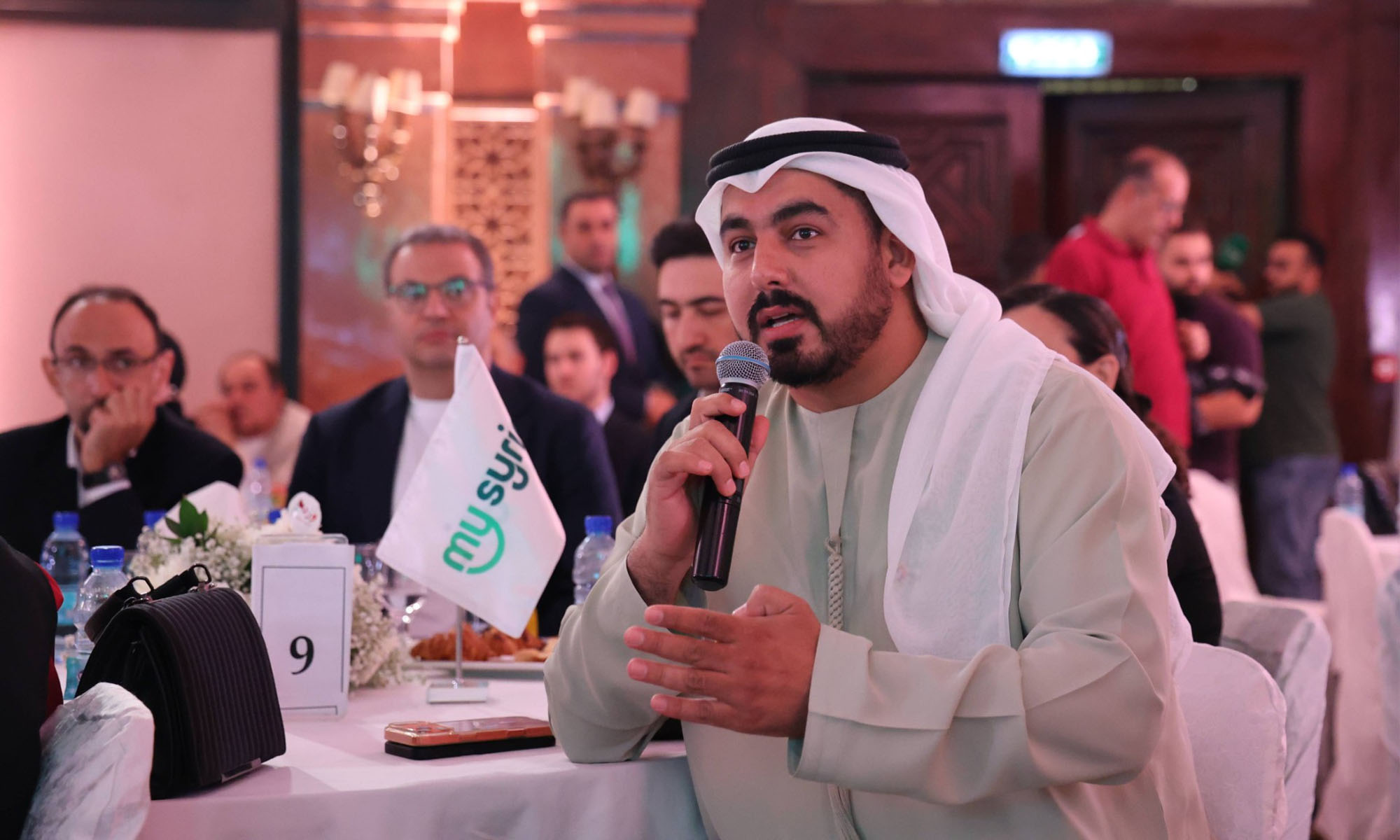
The launch rides on a sharp rebound for the troubled country. Syria’s tourism sector recorded 3.52 million visitor arrivals in the first half of 2026, a 111 percent increase over the 1.67 million during the same period in 2025 — a mix of returning expatriates, regional visitors, and international tourists.
Also Read: This UAE Platform Wants To Replace Fashion Photo Shoots With AI
The Ministry of Tourism, which supported and supervised the app’s development, frames the launch as proof of concept for a wider strategy. “Digital transformation is one of the Ministry’s strategic priorities because it enables us to build a more competitive, connected and investment-ready tourism sector,” Al-Salhani said, inviting technology companies “globally, regionally and locally” to explore opportunities across the wider economy.
For 121 Living, this is phase one, with additional services and expanded geographic coverage planned. Whether a super app can flourish in a market still rebuilding its infrastructure is an open question, but for the first time in years, a visitor to Damascus can pay for dinner with their phone.

Syria Just Got Its First Super App Featuring Built-In Digital Payments

Shokz OpenFit Pro Review: Open-Ear Audio Finally Grows Up

This UAE Platform Wants To Replace Fashion Photo Shoots With AI

Nike And Hyperice’s New Slides Heat And Vibrate Your Feet

Samsung’s Fold Goes Wide, And The Whole Galaxy Range Gets Pricier

Meta’s New AI Tool Builds Images From Public Instagram Photos

TikTok Hopes Labels And Literacy Will Tame AI-Generated Content

Tamper With The Recording LED & Meta’s Glasses Kill Camera

YouTube Rolls Out Supervised Children’s Accounts Across MENA

Samsung’s Galaxy Watch 9 And Ultra 2 Specs Leak Ahead Of Unpacked


-

 News2 months ago
LUVED Is A New Curated Preloved Marketplace For The UAE
-
 News2 months ago
Instagram Now Lets You Tune Its Algorithm, But There’s One Big Catch
-

 News2 months ago
Max Fashion Brings AI Virtual Try-Ons To Gulf Online Shoppers
-

 News2 months ago
Deezer’s Free AI Detector Reveals What’s Hiding In Your Playlists