
News
Why Organizations Need To Focus More On Combating Network Brownouts
Network brownouts can lead to reduced customer satisfaction, loss of revenue, and damage to an organization’s reputation.


It’s safe to say that most people recognize that network blackouts and outages are a huge problem that needs to be addressed as quickly and effectively as possible. And while we’ve made great strides in that regard, there’s another major issue that isn’t getting as much attention as it should. The issue in question is network brownouts.
According to this report from Juniper, persistent network brownouts are the third biggest risk IT organizations face today, only behind total outages and security breaches, and rather worryingly, most brownouts (61%) are not detected by IT teams as the monitoring mechanisms are often only equipped to detect total outages. What’s more, the average annual cost of brownout-induced downtime alone is estimated to be $600,000 per organization.
Black? Brown? What’s The Difference?
An outage, or blackout, refers to a complete lack of availability of a network. A brownout, on the other hand, refers to a period where the network is running, albeit at a significantly reduced level of performance, hurting the overall quality of service. Network brownouts are also known as “unusable uptime”.
Network brownouts can make an organization’s products or services frustrating to use, leading to reduced customer satisfaction and even an overall decline in employee productivity. These issues almost always result in loss of revenue, and persistent brownouts can also greatly damage the organization’s reputation.
So What Causes A Network Brownout?
1- Overload
As with network outages, an overload is usually the main cause of a brownout. A network overload occurs when the traffic flowing through the network is much higher than it is equipped to handle. This overwhelming traffic can result in reduced availability of network resources, leading to low bandwidth and high latency. Network overloads can have several causes, including increased traffic, faulty equipment, and even DDoS attacks.
2- Faulty Or Legacy Equipment
It is an absolute must for organizations to keep monitoring their network infrastructure to isolate any weak points. These weak points may exist in the form of faulty or even sometimes obsolete equipment. While network components like routers or switches are quite reliable, failures can still occur. These failures could disrupt the flow of traffic through the network, resulting in more congestion, which could cause a brownout. And if there’s a failure in a critical network component, this could lead to a total outage.
Any form of obsolete legacy equipment could also cause a brownout as these devices may not be able to cope with ever-increasing network demands.
3- External Network Issues
In some cases, brownouts can also be caused by issues outside an organization’s control. For example, ISP networks are also prone to the same issues organizations face. Failures in an ISP’s network infrastructure could also have a significant impact on an organization’s network and quality of service.
How Can Organizations Avoid Network Brownouts?
1- More Effective Monitoring Solutions Are A Must
Most brownouts aren’t detected by IT teams. Rather, it is the customer or another employee that is usually first to detect and report such issues. When it comes to issues that affect network operations, responding quickly is key. Quick detection means quick resolution.
By detecting issues instantly, IT teams can resolve them swiftly and ensure they don’t plague the network for long. It is imperative for organizations to implement better monitoring solutions that can detect even slight drops in performance. This ensures quick resolution of issues, helping IT teams keep their networks up and running with minimum disruption, resulting in an overall increase in network quality.
2- Keep All Hardware Up To Date
As network demands continue to rise, it is important to prepare for increased requirements by investing in the latest and greatest network infrastructure. In an era where organizations across all verticals are increasingly reliant on IT and the availability of network resources for their services, they simply cannot afford to cut corners when it comes to their network infrastructure.
3- Optimize Bandwidth Usage
Organizations should ensure that they are wisely using the available network resources and bandwidth without putting too much strain on any particular server or network component.
This can help eliminate or at least limit congestion, which is the main cause of both brownouts and blackouts, depending on severity.
Network segmentation and load balancing are some of the most effective ways for organizations to optimize their bandwidth usage.
Network segmentation involves splitting the network into distinct components based on the role they play. These segments (also known as subnets) are isolated from the rest of the network and can function independently. Network segmentation enables organizations to prioritize and allocate network resources efficiently to different network segments depending on how critical they are to the overall functioning of the network. Moreover, issues with one segment are unlikely to spill over to other segments, reducing the likelihood of a brownout.
Load balancers enable organizations to evenly distribute traffic across the network to avoid overwhelming a single server or component with too much traffic. This can prevent bottlenecking and can smooth the flow of traffic throughout the network.
4- Implement Network Redundancy
Implementing redundancy in the network infrastructure is easily one of the most reliable ways to ensure smooth connectivity and stable performance. Organizations can either implement network redundancy by creating alternate paths for the flow of traffic within the network or use redundant hardware components that can automatically take over in case of a failure. Ultimately, these redundant systems can serve as an effective backup when facing issues with primary network components. These redundant components help with creating an effective failover mechanism, significantly reducing the frequency and severity of a brownout.
Takeaway
With organizations becoming increasingly reliant on IT, not just for their services, but also for their internal processes and operations, it’s safe to say they simply cannot afford any disruptions. Time is money and downtime is money lost. Organizations must invest in robust and reliable network monitoring solutions that enable them to instantly detect any issues in their network infrastructure so they can rectify them as soon as possible.



News
Instagram Redraws Its Wordmark And The Internet Reads “Instagzam”
Instagram’s first wordmark refresh in a decade arrives with new fonts, a restrained gradient — and a Reddit verdict of sidegrade.

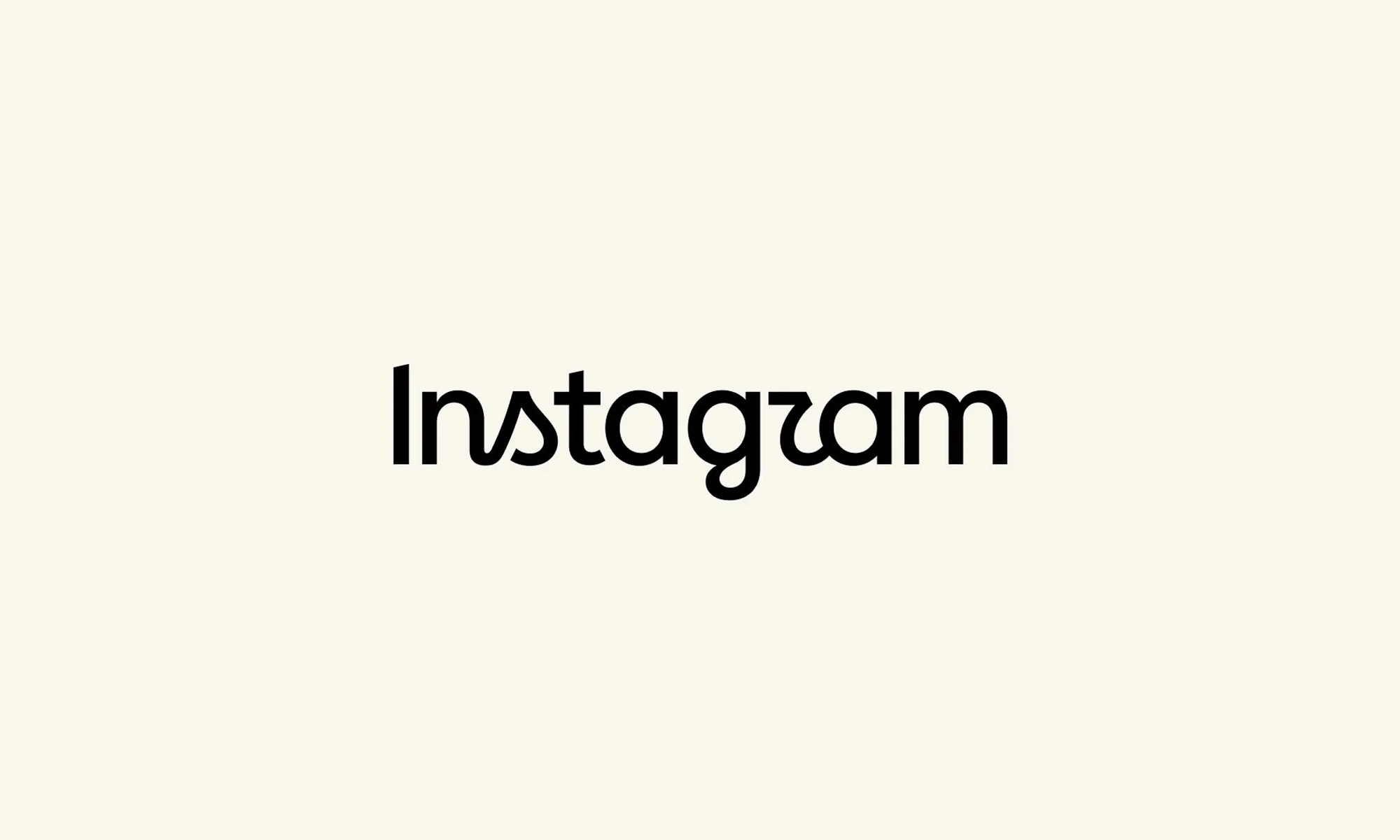
Although Instagram’s famous camera icon hasn’t changed, the company has refreshed the handwritten wordmark at the top of its app. This is the first redesign we’ve seen in ten years, and one the internet promptly set about renaming.
“The wordmark at the top of the app hasn’t changed in 10 years, so it was time for a refresh,” Instagram head Adam Mosseri wrote in a post on August 13, describing the new version as “cleaner and more modern” while keeping references to the original design.
Instagram says its team explored hundreds of options — all-caps lettering, camera-inspired concepts, even literal handwriting — before returning to script. “Script reflects individuality, so referencing that felt right,” Instagram director of product design Jasmine Probst said in Meta’s announcement. “The new wordmark is bolder and simpler, with touches of unexpectedness. It cues individual expression, a personal voice, both of which have always been core to Instagram”.
The wordmark is part of a broader brand overhaul: an updated Instagram Sans typeface, two new fonts — the hand-drawn Instagram Pen and Instagram Mono — plus refreshed motion and layouts, and more restrained use of the signature gradient. The wordmark is rolling out globally now, with the rest arriving throughout 2026 and beyond.
Also Read: Spotify Will Now Tell You If Your Favorite Artist Isn’t Real
The design mixes cursive and print lettering, some characters connected and others floating free. That hybrid approach, combined with unusually shaped “s” and “r” characters, led some users to conclude the logo actually reads “Instagzam”. On the r/logodesign subreddit, one user said the wordmark looked “fan-made,” like something built in Canva; another called it “an unsettling mix of manuscript and cursive”; a third summarized it as a “sidegrade” — or, inevitably, a “zidegrade”.
Not everyone was hostile to the new look. Some found the half-cursive design stylish and surprisingly readable, while others called it an improvement on its predecessor, and one commenter argued Instagram was simply adopting minimalist branding later than everyone else. Either way, the platform now has a refreshed identity, three updated fonts, and an unofficial new pronunciation.

Instagram Redraws Its Wordmark And The Internet Reads “Instagzam”

Spotify Will Now Tell You If Your Favorite Artist Isn’t Real

Samsung And Spotify Offer Free Premium Deal In MENA

Lebanon’s 5G Era Begins With 150 Stations And A $1M Budget

Syria Just Got Its First Super App Featuring Built-In Digital Payments

Dubai Police Finishes 65 Projects, Says AI Is The Next Priority

Beirut Wins US Flight Access, But Carriers Aren’t Sold Yet

Samsung’s Fold Goes Wide, And The Whole Galaxy Range Gets Pricier

Gulf AI Job Vacancies Nearly Triple, But Hiring Stays Lopsided

This UAE Platform Wants To Replace Fashion Photo Shoots With AI


-
 News3 weeks ago
This UAE Platform Wants To Replace Fashion Photo Shoots With AI
-

 News3 weeks ago
Nike And Hyperice’s New Slides Heat And Vibrate Your Feet
-

 Product Reviews3 weeks ago
Shokz OpenFit Pro Review: Open-Ear Audio Finally Grows Up
-
 News2 weeks ago
Syria Just Got Its First Super App Featuring Built-In Digital Payments