
News
80% Of Cyberattacks In The Middle East Lead To Data Breaches
Positive Technologies warns of rising APT threats, data theft, and dark web trade fueling cyber risks as digital transformation accelerates across the region.


A new report from cybersecurity firm Positive Technologies reveals that 80% of cyberattacks targeting organizations in the Middle East result in the theft of confidential information — underscoring how the region’s rapid digital transformation is expanding its threat surface.
The study, which analyzes trends in cybercrime, advanced persistent threats (APTs), and underground market dynamics, paints a concerning picture: nearly one-third of successful attacks are attributed to APT groups, many of which target government institutions and critical infrastructure. These state-sponsored or well-funded actors often engage in espionage, not merely data theft, with the intent of undermining public trust and asserting digital dominance.
Social engineering tactics were the top initial attack vector, used in 61% of incidents, often in combination with malware (51%). Remote Access Trojans (RATs) featured in over a quarter of malware-based intrusions, enabling attackers to maintain long-term, covert access to compromised systems.
The primary targets of these breaches are credentials and trade secrets (29% each), followed closely by personal data (20%). Once stolen, this data is typically monetized via blackmail or sold on the dark web. Disruption of business operations — impacting everything from hospitals to transportation services — was the second most common outcome of attacks, cited in 38% of cases.
Also Read: Protecting Your WhatsApp Account From Hackers: Kaspersky Expert Tips
The United Arab Emirates, Saudi Arabia, Israel, and Qatar emerged as the most referenced countries on dark web forums. Government agencies (34%) and industrial enterprises (20%) are the most frequently targeted, with hacktivists — rather than profit-motivated cybercriminals — playing a growing role.
“In the near future, we expect cyberthreats in the Middle East to grow both in scale and sophistication,” said Alexey Lukash, analyst at Positive Technologies. “As digital transformation efforts expand, so does the attack surface […] The consequences of successful attacks in these areas could have far-reaching implications for national security and sovereignty”.
To help organizations better defend against these escalating threats, Positive Technologies recommends several key measures:
- Vulnerability Management Systems: Automate asset discovery, prioritization, and remediation.
- Network Traffic Analysis: Monitor for anomalies and detect intrusions in real time.
- Application Security: Deploy solutions like PT Application Firewall and PT Application Inspector to identify flaws and block exploits.
The company emphasizes that cybersecurity should move beyond checkbox compliance toward a strategy that delivers tangible results. Their scalable frameworks are designed to secure everything from single enterprises to national digital infrastructure.



News
Samsung’s Galaxy Watch 9 And Ultra 2 Specs Leak Ahead Of Unpacked
An 800mAh Ultra 2 battery and a switch from Exynos to Qualcomm silicon headline the expected changes for Samsung’s next smartwatches.
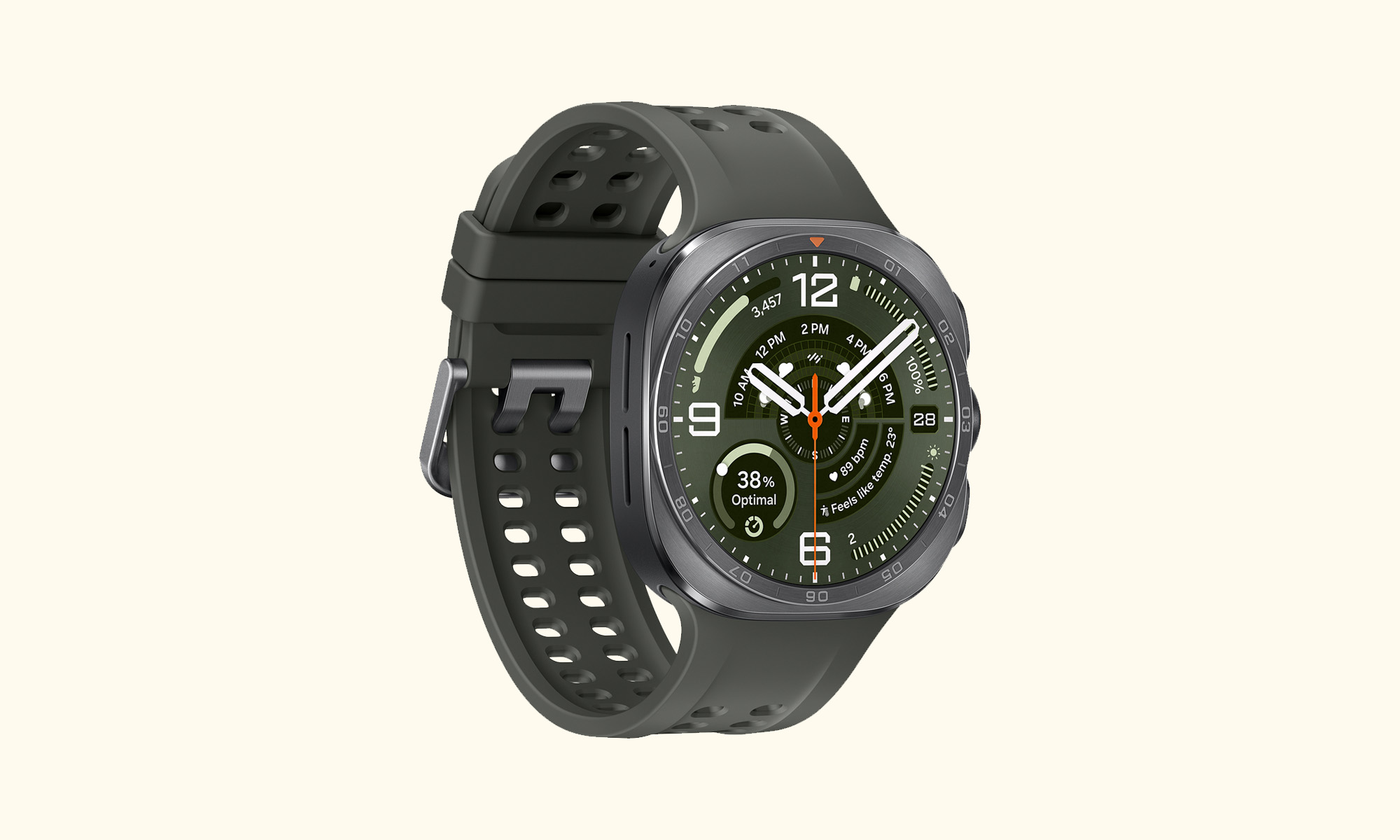
Samsung’s next smartwatches have little left to hide. A new leak reported by Android Authority has surfaced most of the remaining details about the Galaxy Watch 9 and Galaxy Watch Ultra 2, just over a week before the company’s Galaxy Unpacked event on July 22.
The biggest change is an invisible one: Samsung is expected to drop its own Exynos W1000 chip in favor of Qualcomm’s Snapdragon Wear Elite SW6100, a chipset unveiled only this year, according to the outlet.
Battery capacity looks like the other notable upgrade. Citing a report from Winfuture, Android Authority says the Watch Ultra 2 could reach 800mAh, well beyond the 590mAh cell in the current Watch Ultra. The 44mm Watch 9 reportedly gets a 445mAh cell — the same capacity as last year’s Watch 8 Classic — while the 40mm model stays at 325mAh.
The 40mm Watch 9 will reportedly feature a 438 x 438-pixel panel, with the 44mm Watch 9 and the Watch Ultra 2 sharing a larger 480 x 480-pixel screen. Samsung leaker Ice Universe has separately claimed the Ultra 2’s display could reach a peak brightness of 5,000 nits. RAM and storage vary by model, topping out at 2GB and 64GB.
Also Read: Tamper With The Recording LED & Meta’s Glasses Kill Camera
The Ultra 2 keeps its titanium case and 100-meter water resistance; the standard Watch 9 remains aluminum, rated to 5 ATM. All models are said to include Bluetooth 6.0, NFC, and dual-band WiFi, with the usual LTE variants, and ship with One UI 9 Watch running on Wear OS 7.
A separate leak puts the Galaxy Watch 9 at €409 (about $468) for the 40mm Bluetooth model, rising to €489 (about $560) for the 44mm LTE version, with the Watch Ultra 2 LTE at €749 (about $857) — figures Android Authority said were partially corroborated by Winfuture. Confirmation arrives on stage on July 22.

Samsung’s Galaxy Watch 9 And Ultra 2 Specs Leak Ahead Of Unpacked

TikTok Hopes Labels And Literacy Will Tame AI-Generated Content

A Three-Clinic Network Bets Dubai Is Ready For Longevity Medicine

YouTube Rolls Out Supervised Children’s Accounts Across MENA

Meta’s New AI Tool Builds Images From Public Instagram Photos

Can AI Save Your Relationship? This New “Wingman” App Thinks It Can

WhatsApp Usernames Are Coming: Here’s How To Claim Yours

Dubai Certifies The World’s First Purpose-Built Air Taxi Vertiport
Meta’s New AI Tool Builds Images From Public Instagram Photos

OpenAI Cleared To Launch GPT-5.6 Publicly After Government Review


-

 News2 months ago
DJI Teases Dual-Camera Osmo Pocket 4P For 2026 Launch
-

 Web32 months ago
2026 Crypto Trends: Bitcoin, ETFs & The Future Of Payments
-

 News2 months ago
Lebanon Ministers Meet Visa Over National Digital Payment Platform
-

 News2 months ago
At I/O 2026, Sundar Pichai Concedes AI Must Deliver Real Value