
News
LimeWire Is About To Make A Comeback As An NFT Marketplace
LimeWire has launched an invite-only private token sale as the last major milestone before officially launching the marketplace itself in May 2022.


If you were on the internet between 2000 and 2010, the chances are that you have experience with using LimeWire to download content of a questionable legal status.
Now, the name of the popular peer-to-peer (P2P) file sharing application is making a comeback as an NFT marketplace powered by the Algorand blockchain, which is also home to ZestBloom, Abrist, Dartroom, Blocsport, Asolp, and other NFT and digital art marketplaces.
“LimeWire is back to bring digital collectibles to everybody” states the official website, which currently features a waitlist for early access. LimeWire’s unexpected resurrection as an NFT marketplace can be traced to the 2021 purchase of intellectual property rights to LimeWire by Austrian brothers Julian and Paul Zehetmayr.
“The issue with the NFT market is that most platforms are decentralized” Julian told CNBC. “If you look at Bitcoin, all the exchanges are making it really easy to buy, trade, and sell Bitcoin. There’s no one really doing the same in the NFT space”.
Determined to fill the hole in the market, Julian and Paul established a core team in Q3 2021, and they’re now ready to launch an invite-only private token sale as the last major milestone before officially launching the marketplace itself in May 2022.
Also Read: 5 Gaming Cryptos That Will Explode In 2023
To be as user-friendly as possible, the LimeWire NFT marketplace will show prices in US dollars, instead of a cryptocurrency like Bitcoin or Ethereum. Even the choice of the Algorand blockchain is meant to increase the project’s mainstream appeal because Algorand relies on a low-energy consensus mechanism called Proof-of-Stake to address major concerns around the energy consumed by cryptocurrencies.
It will be interesting to see how many of the millennials who remember LimeWire from their childhood years will react positively to the platform’s comeback when it launches in the near future.







News
Visa’s Return To Syria Starts With A Test And A Bank In Lebanon
Foreign visitors will be the first users to benefit, but whether Syria’s own banks and cardholders follow is still an open question.

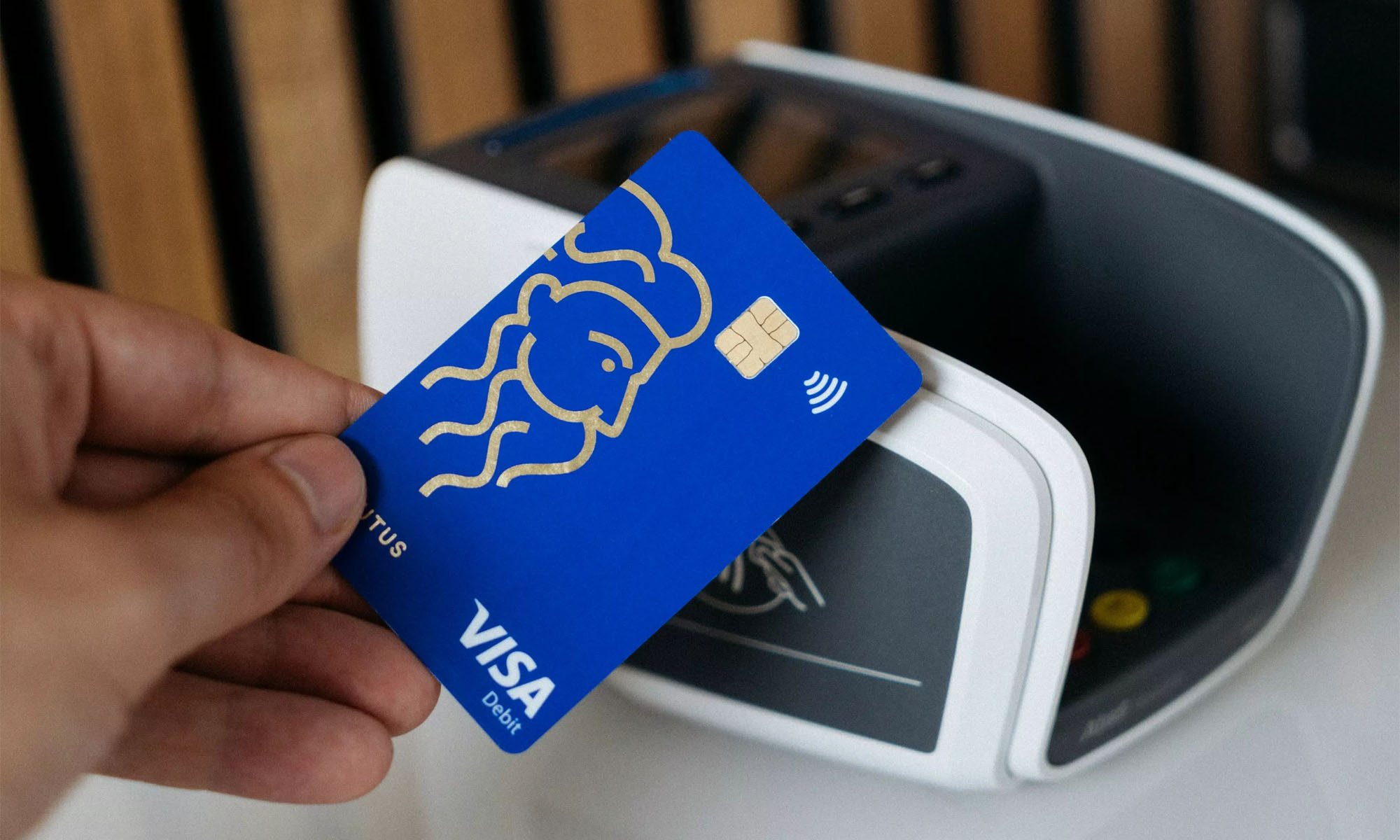
Visa is returning to Syria. Its first live international card transaction in the country was a test rather than a launch, and the milestone event ran through a Lebanese bank.
The acquirer (the bank on the merchant’s side of a card payment) was Fransabank Lebanon, with Paymera as the other named partner. Nadim Moujaes, who heads a Fransabank Group subsidiary, describes the test as both the culmination of “longstanding efforts to link Syria back to international payment networks” and “the first step in a larger path”.
Syrian President Ahmed Al-Sharaa makes the first electronic payment in Syria using a @Visa card at a store in Damascus, following the lifting of US sanctions on Syria. pic.twitter.com/lpAN7nQ6Fc
— Tech Magazine (@TechMGZN) August 27, 2026
“We are excited to have successfully tested live transactions today as we plan to enable international visitors to use their Visa cards while in Syria,” says Leila Serhan, Visa’s senior vice president and group country manager for the North Africa, Levant and Pakistan region. Although a significant first step, that plan doesn’t come with a hard date for when a visitor’s card will work normally.
Mohammed Safwat Raslan, governor of the Central Bank of Syria, says the test paves the way for international card acceptance in Syria and that maintaining strong compliance, risk management and operational controls will remain essential. Serhan likewise stresses that Visa has worked within applicable legal, regulatory and compliance requirements. For a test transaction, it seems there was a great deal of attention paid to the rules, with the entire operation being carefully managed.
Also Read: Lebanon’s 5G Era Begins With 150 Stations And A $1M Budget
The test is the latest step in a sequence that began in December 2025, when Visa announced a strategic roadmap to support Syria’s integration into the global digital economy. In February 2026 it hosted its first industry gathering of banks, ecosystem partners and policymakers in Damascus and, the same month, signed an agreement with Syria’s Ministry of Communications and Information Technology in San Francisco.
Michel Kattouah, Paymera’s CEO, called the test “the return of international card acceptance,” but while that’s positive news, there’s no word yet on when a Syrian bank will issue a Visa card to a Syrian customer.

Visa’s Return To Syria Starts With A Test And A Bank In Lebanon

RØDE’s New DS3 Studio Arm Is Built For Heavier Creator Setups

Dubai Turns AI On Its Own Civil Service To Measure Productivity

Former Rockstar Director Dismisses GTA 6 Leaks As “Nothing Burger”

Qatar Airways Flies The World’s First Starlink-Equipped 787-9

Spotify Will Now Tell You If Your Favorite Artist Isn’t Real

Instagram Redraws Its Wordmark And The Internet Reads “Instagzam”

Anghami’s New Elite Program Starts With A Three-Decade Catalog

Qatar Is Getting Its First EV Plant, Built To Cope With Gulf Heat

Dubai’s aradus Wants AI To Run The Back Office Of Physical Trade


-
 News3 weeks ago
Instagram Redraws Its Wordmark And The Internet Reads “Instagzam”
-
 News3 weeks ago
Anghami’s New Elite Program Starts With A Three-Decade Catalog
-
 News3 weeks ago
Qatar Is Getting Its First EV Plant, Built To Cope With Gulf Heat
-
 News3 weeks ago
Dubai’s aradus Wants AI To Run The Back Office Of Physical Trade