
News
Nanoleaf Sense+ Control Lighting Handles Automation By Itself
The smart light switches connect to a Thread Border Router known as the Nala Learning Bridge, which features an onboard assistant.


Smart devices such as light bulbs and switches have been around for a long time. These products allow you to turn lights on and off remotely, adjust colors and brightness, plus set up automatic schedules.
There is, however, a slight catch.
Until now, the scheduling part of the equation is something you’ve mostly had to handle yourself, and depending on the app in question, the experience can often be frustrating and time-consuming.
Nanoleaf aims to fix those scheduling issues with its newly announced Sense+ Control family of products. The smart device lineup consists of the Sense+ Smart Light Switch, Sense+ Wireless Light Switch, and Nala Learning Bridge. All three products are Matter and Thread enabled and feature built-in motion and ambient light detection. The Nala Learning Bridge functions as a Thread Border Router and acts as the smart home network’s hub while featuring its own ambient lighting.
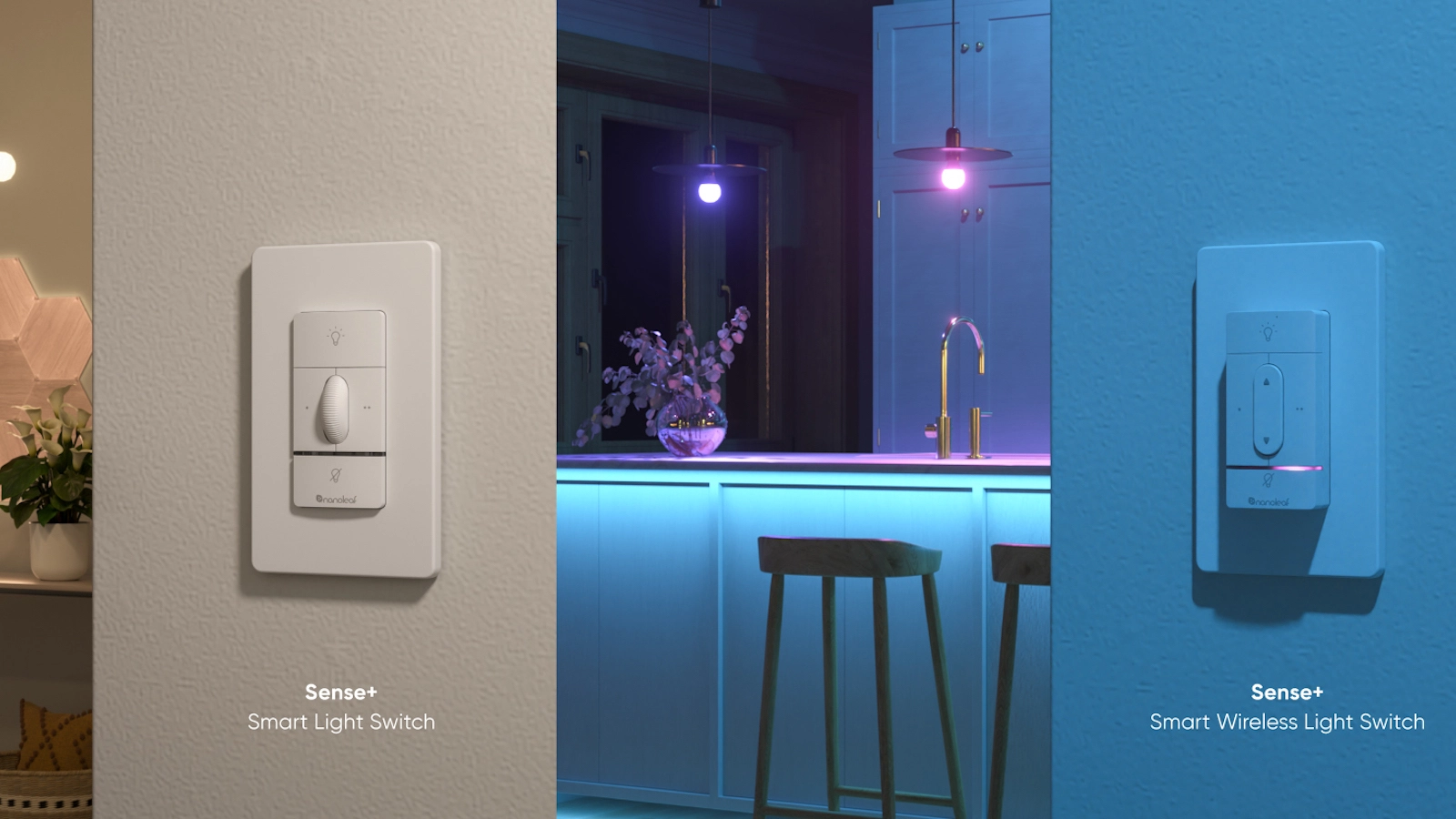
As well as a router, Nala is also the name of the Nanoleaf Automations Learning Assistant. The inbuilt technology uses complex machine learning algorithms to predict a user’s routines and adjust lighting accordingly. The company claims that, “Over time, users will be able to have a truly intelligent and hands-free experience with the smart lighting in their home.”
Nanoleaf 4D
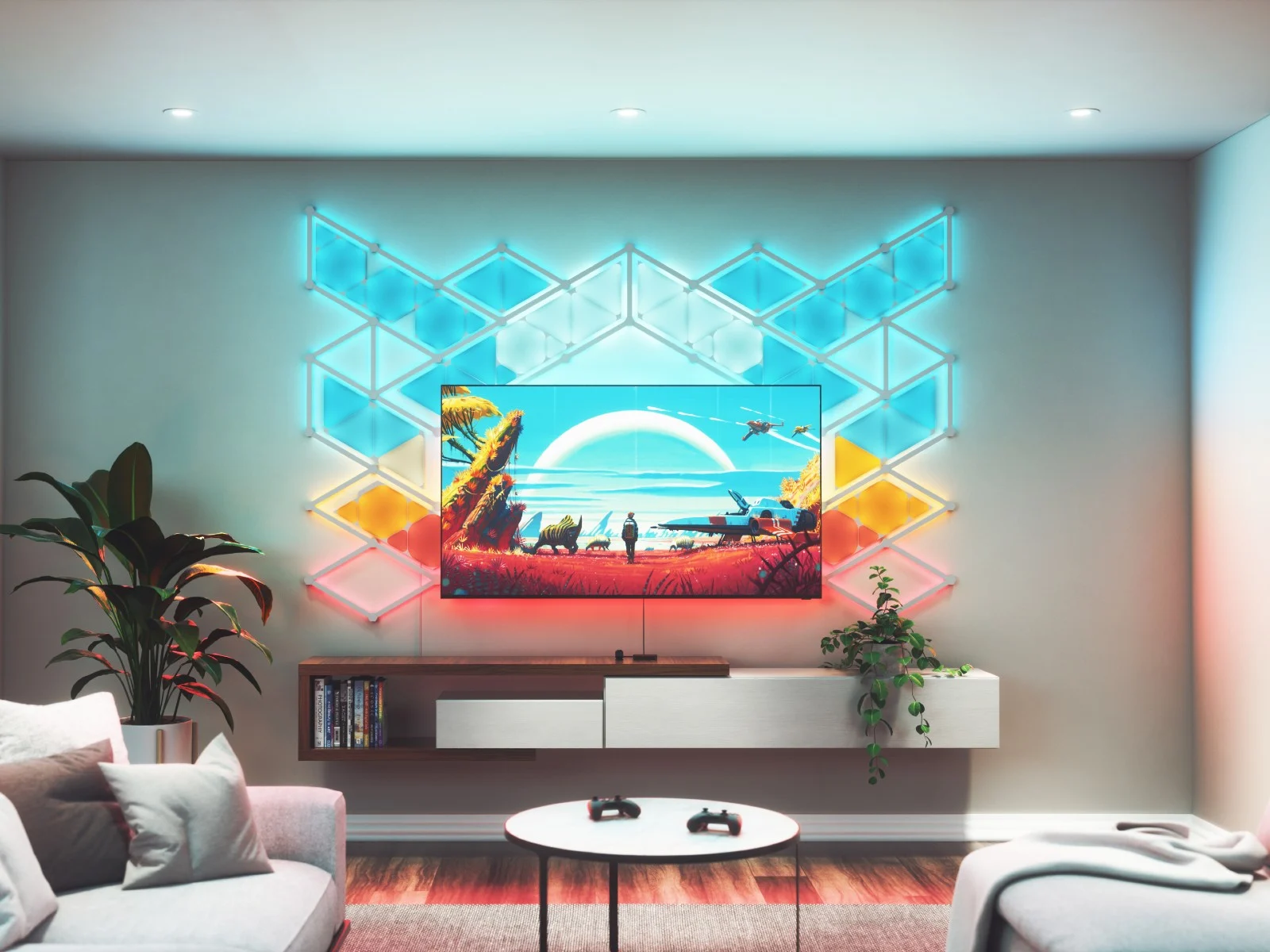
Also announced at this year’s CES 2023 was the Nanoleaf 4D, a system that synchronizes Nanoleaf lights with your TV. The system will ship with the Nanoleaf Screen Mirror Camera and a light strip featuring 50 customizable LED zones.
Using Nonoleaf’s Sync+ technology, the Nanoleaf 4D can mimic your screen’s colors and lighting patterns across all of the other Nanoleaf lights in the room, and supports pre-made scenes, including sunrises.
Nanoleaf Skylight
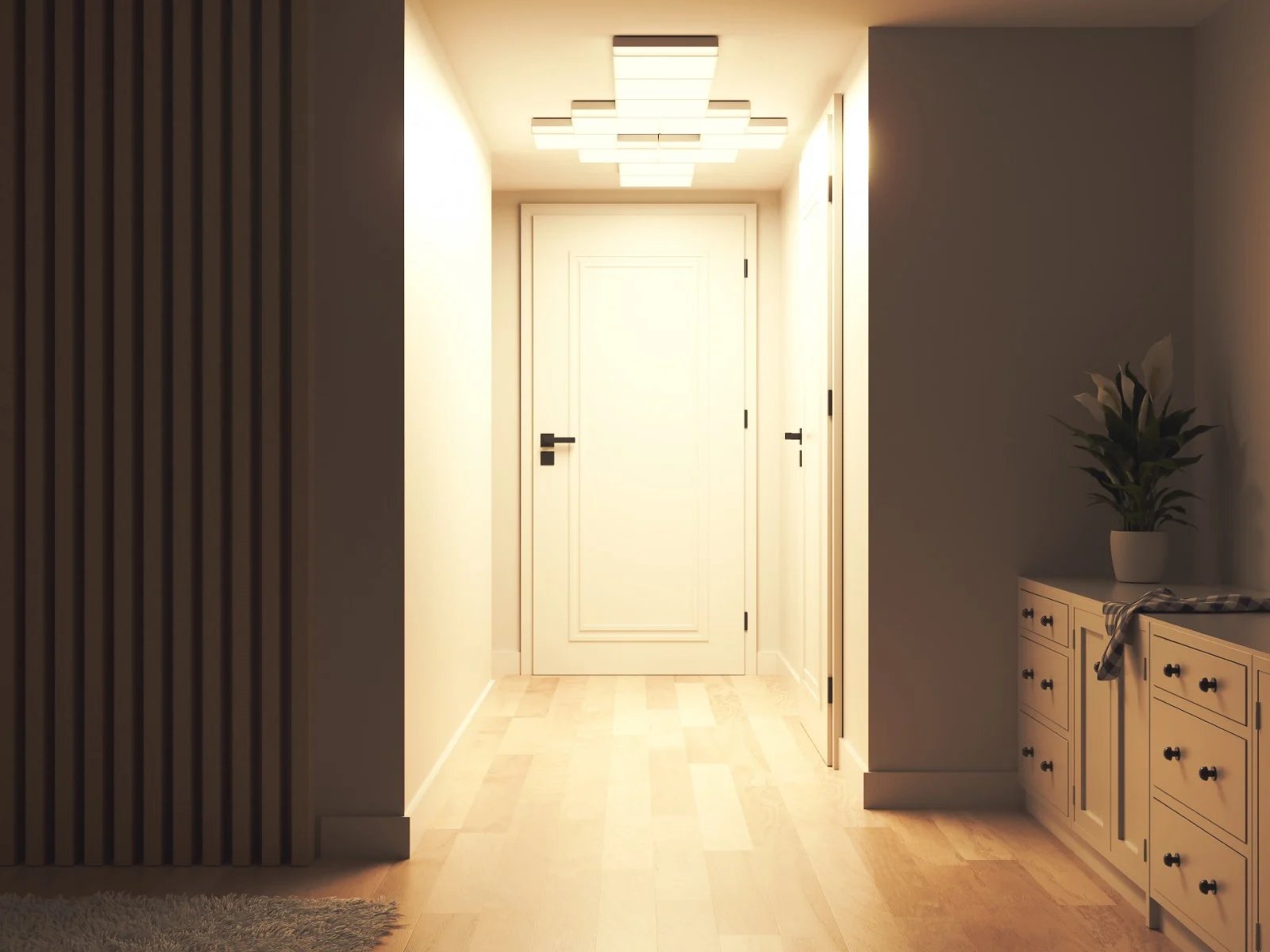
Nanoleaf already offers modular wall panels in its lineup, but soon, the company will add a set of square RGBW LED panels that can be arranged in different patterns on ceilings.
Named Skylight, this new product includes Nanoleaf’s screen mirroring technology, a music visualizer, and supports group scenes. Like the Nala Learning Bridge, Skylight can also be used as a Thread Board Router.
Finally, the company will also update its Essentials line to make them Matter compatible and release software updates to ensure everything works harmoniously. The Sense+ Control line, Nanoleaf 4D, and Skylight should all arrive in stores by the second half of 2023, with pricing yet to be announced.

News
Microsoft Plans $10 Billion-Plus Gulf Expansion Despite Iran Conflict
Security is shaping Microsoft’s approach, from resilience work with governments to what it will say about how the money splits by country.
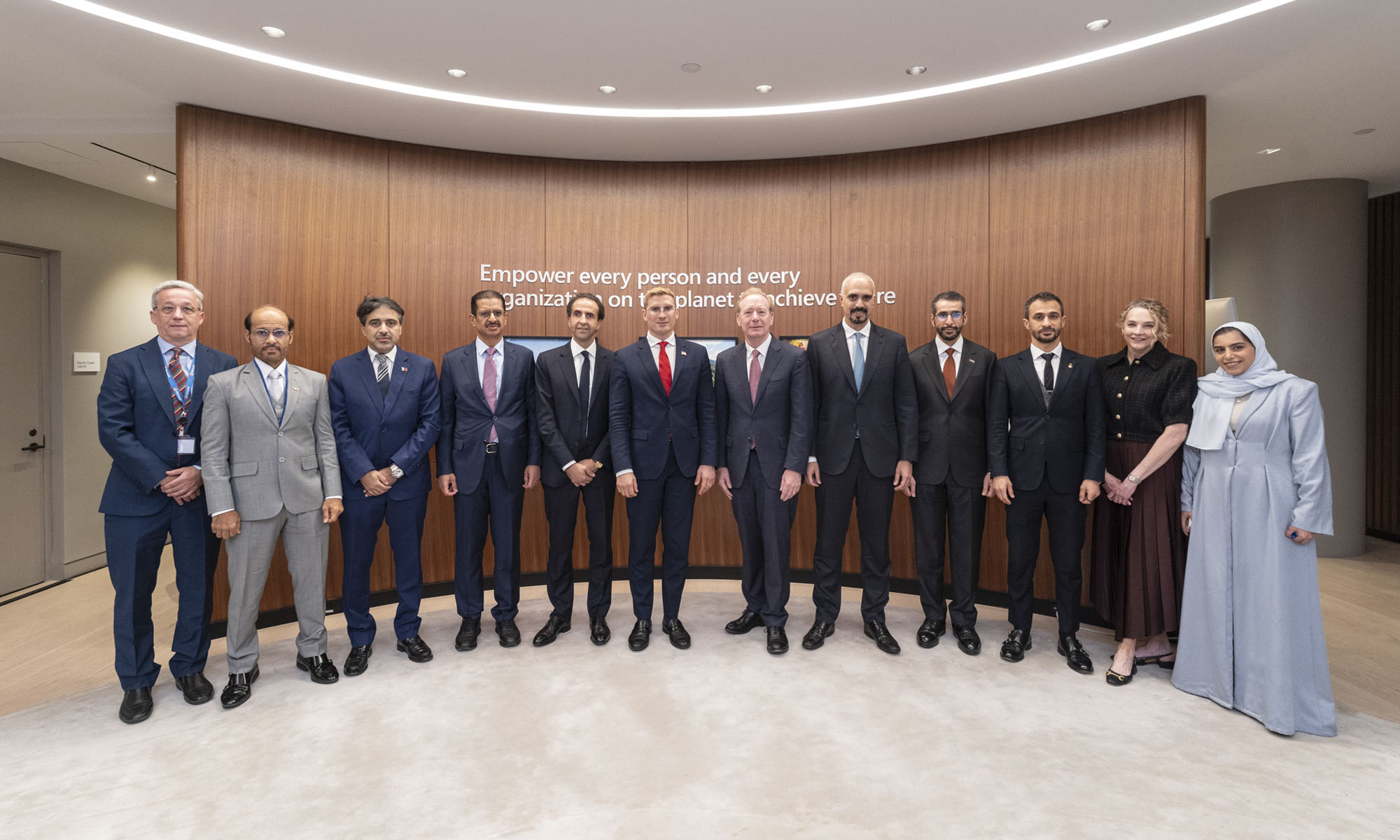
Microsoft is planning more than $10 billion of investment across the UAE, Saudi Arabia, Qatar and Kuwait through 2030, Vice Chair and President Brad Smith told Reuters, calling the spending schedule aggressive. The Iranian conflict that began on February 28 has not persuaded the company to scale back.
“We’re sustaining all the investments we planned to make before this conflict started, and we are in fact adding to them,” Smith said. The $10 billion-plus total does not, however, show how large those additions are.
The investment, which Smith described as part of Microsoft’s continued infrastructure expansion, is aimed at cloud and AI infrastructure and at the company’s growing regional operations. Microsoft also intends to put more than $400 million into subsea and terrestrial connectivity across the Middle East by 2030.
The spending fits the region’s own ambitions too. Gulf governments have been investing heavily in AI infrastructure as part of a push to diversify their economies beyond oil and gas and turn themselves into global technology hubs. Major cloud and AI providers have been drawn in part by the land and relatively low-cost energy on offer.
Microsoft is widening its partnerships with regional AI companies, though not on identical terms. In 2024, it invested $1.5 billion in Abu Dhabi-based G42 for a minority stake, and Smith currently sits on G42’s board. Saudi Arabia’s Humain and Qatar’s Qai are working with Microsoft on selected priority areas, but Smith said the company does not plan to make capital investments in either.
Also Read: Egypt’s Mobile Wallets Are Booming, But Cash Still Has Power
The conflict has added another strand to Microsoft’s work in the region. Since it began, Smith said, the company has supported regional partners with digital resilience assessments, and it is now working with Gulf countries through a digital resilience initiative focused on preparedness and the protection of critical data.
So far, the company has given no country-by-country breakdown of the investment, citing security among other factors. So while the headline figure is public, how Microsoft divides the spending among the four countries is not.

Microsoft Plans $10 Billion-Plus Gulf Expansion Despite Iran Conflict

In Kuwait, Your Surgeon Might Be Operating From Another Country

Qatar Folds 45 State Companies Into A Single Investment Platform

Trip.com Is Betting An AI Agent Will Book Your Next Vacation

Meta’s New $499 Plan Puts A Price On Reaching A Real Person

Apple’s First Folding iPhone Arrives Late To A Shrinking Market
Trip.com Is Betting An AI Agent Will Book Your Next Vacation

Egypt’s Mobile Wallets Are Booming, But Cash Still Has Power

OKX Bets Streaming Perks Can Take Crypto Mainstream Across MENA

Musk’s Boring Company Wants To Dig 150 KM Of Tunnel Under The UAE


-
 News3 weeks ago
Apple’s First Folding iPhone Arrives Late To A Shrinking Market
-
 News2 weeks ago
Trip.com Is Betting An AI Agent Will Book Your Next Vacation
-
 News2 weeks ago
Egypt’s Mobile Wallets Are Booming, But Cash Still Has Power
-
 News2 weeks ago
OKX Bets Streaming Perks Can Take Crypto Mainstream Across MENA