News
WhatsApp Channels Has Started Rolling Out Across The MENA Region
The one-way broadcast tool allows account admins to send text, photos, videos, and stickers to followers, and create polls.

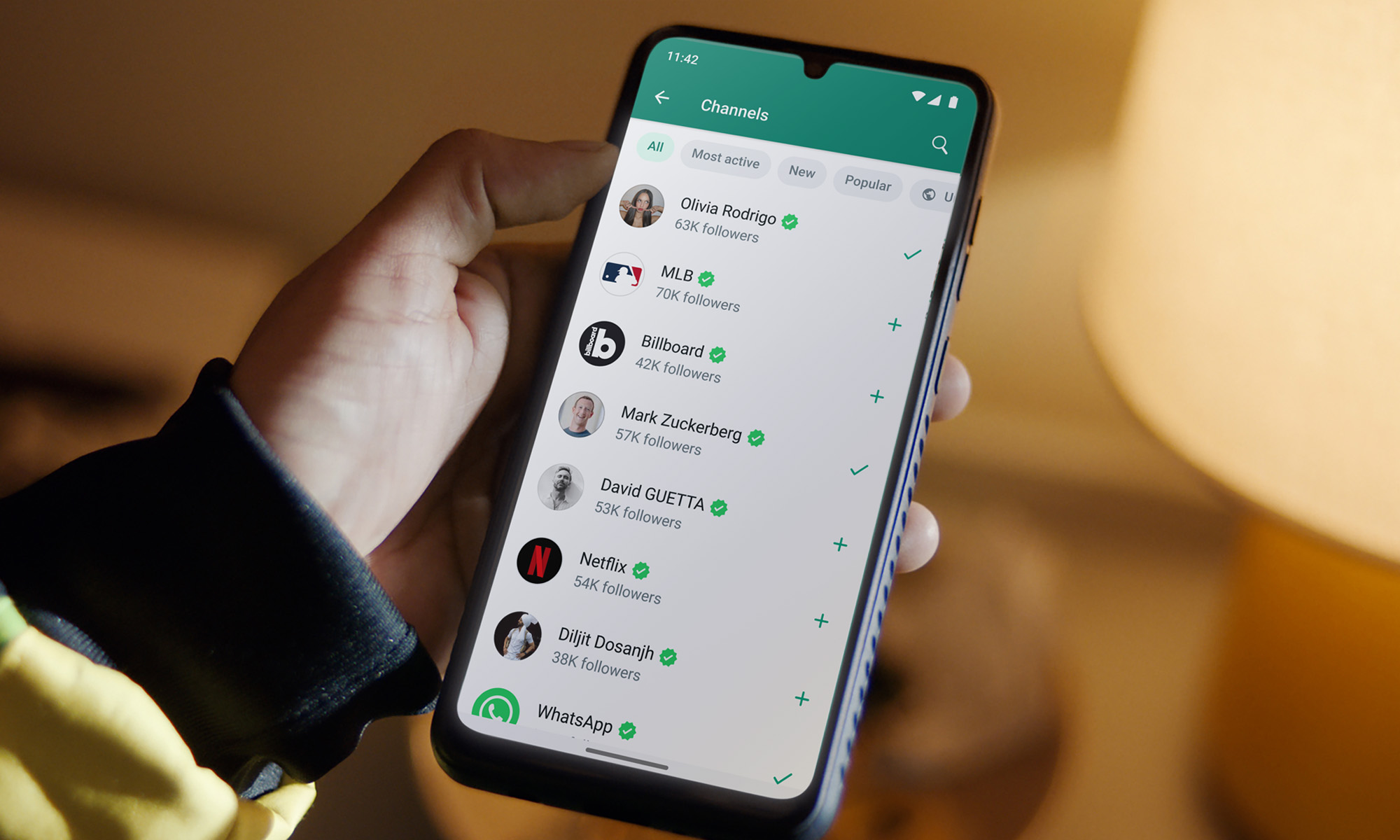
WhatsApp Channels is now being rolled out across the MENA region, with countries including Lebanon, Saudi Arabia, the UAE, Egypt, and Morocco soon to benefit from the broadcast service.
Soon, people across much of the Middle East and North Africa will benefit from private updates from their favorite celebrities, creators, artists, and sports teams without having to leave WhatsApp.
Moon Baz, Creator Partnerships Lead, Africa, Middle East, and Turkey at Meta, was excited to announce the update, “We’re starting to roll out WhatsApp Channels globally and adding thousands of new channels that people can follow in WhatsApp. We’re also welcoming some of your favorite celebrities, sports teams, artists, creators, and thought leaders that people can follow right within WhatsApp”.
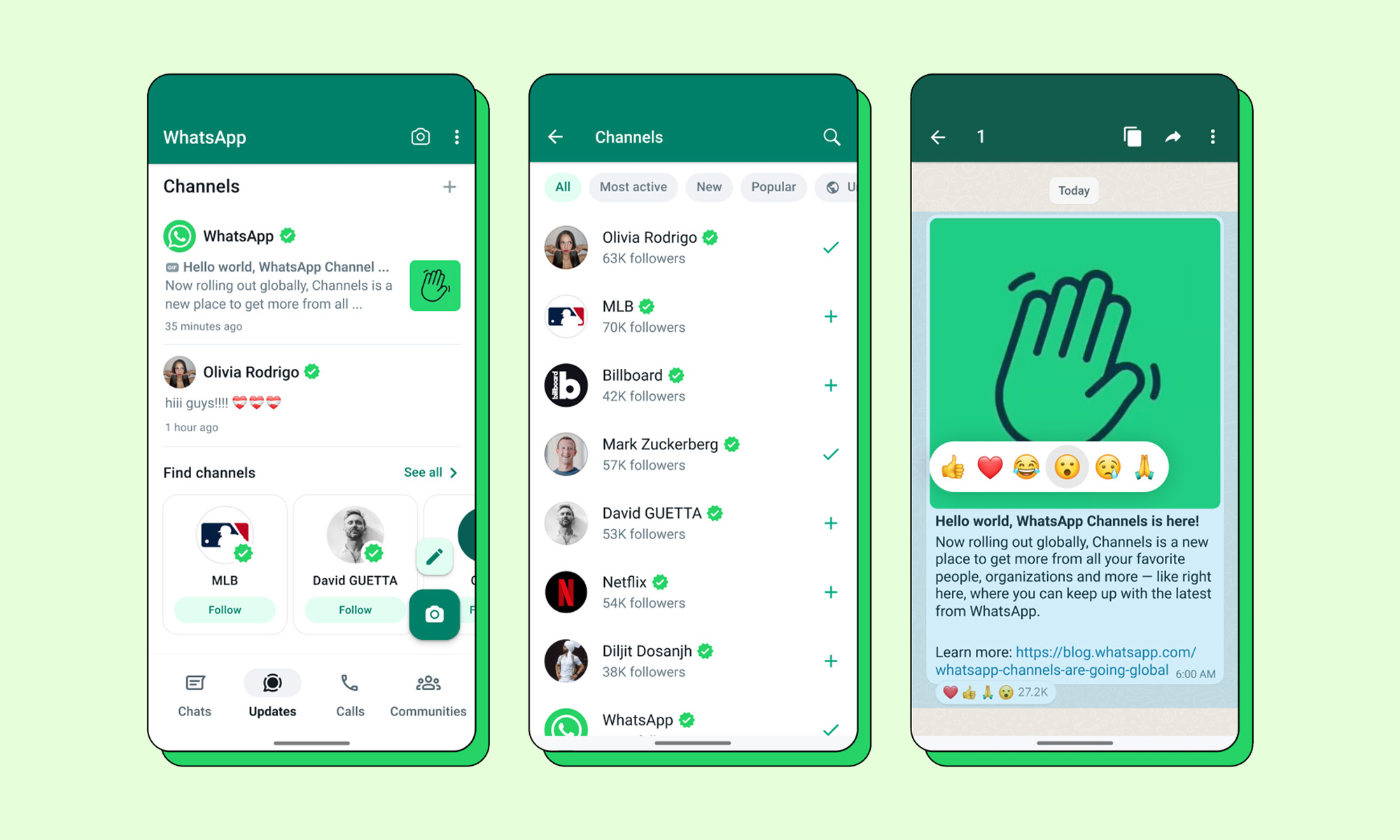
According to Moon Baz, Channels allow admins to send one-way broadcasts via text, photos, videos, and stickers. Users can find Channels in a new WhatsApp tab labeled Updates, which is separate from their regular chats with friends, family, and communities.
WhatsApp users will be able to see recommended Channels based on popularity and region. Similar to regular chats, they will also be able to use emojis to react to updates — though users won’t be able to see someone else’s reaction.
Also Read: Dubai Airport To Introduce Complete Biometric Admin System
Channel updates will not be available indefinitely. Meta will store data on their servers for up to 30 days. Admins will also be able to block screenshots and forwards from their channels.
Overall, WhatsApp Channels look set to become an effective tool for getting in touch with your target audience — whether you’re an influencer or a business looking for marketing opportunities.



News
Lebanon Ministers Meet Visa Over National Digital Payment Platform
Finance and technology ministers say a comparative study and roadmap will follow before any decision on adopting a model.


Lebanon’s finance and technology ministers met representatives from Visa last week to discuss a proposed unified national digital payment platform for government services, according to a readout from the Ministry of Finance.
The meeting brought together Finance Minister Yassin Jaber, Minister of State for Technology and Artificial Intelligence Kamal Shehadeh, a Visa delegation, and experts from both ministries. Discussion focused on whether Lebanon could establish a single platform through which citizens and institutions would pay taxes, fees, fines and other official transactions electronically, using mobile phones and other digital channels.
The Visa delegation presented examples from countries that have adopted unified government payment platforms, including the United Arab Emirates, Singapore, Estonia and Jordan. According to the readout, the examples were presented as having increased collection rates and expanded financial inclusion.
Talks covered settlement mechanisms, direct transfer to the treasury account, financial reconciliation, risk management, cybersecurity, fees, and an operational model that would involve the private sector. The parties agreed to continue technical and institutional consultations, prepare a comparative study, and develop an implementation roadmap before any decision on adopting a model for Lebanon.
Jaber said the Ministry of Finance had already enabled citizens to pay using credit cards and e-wallets through transfer companies, but described the proposed platform as a further step. He framed the development of electronic payment and collection systems as a priority within the ministry’s modernization plan.
Also Read: Deezer Says AI Tracks Now Make Up 44% Of Uploads
Shehadeh outlined the citizen-facing concept as a single mobile application through which users could settle obligations to ministries, government institutions and other bodies.
“The idea, in short, is that any citizen downloads an application on their mobile phone, through which they can pay all service obligations for all ministries, government institutions, or those owned by the Lebanese state, and others as well, as the platform is not limited only to state institutions,” he said.
Shehadeh added that the platform would not displace banks and money transfer companies that currently provide collection services to the state, calling it complementary to their work.

Lebanon Ministers Meet Visa Over National Digital Payment Platform

AltoVolo Releases Sigma Footage & Sets Date For Demonstrator

Careem Launches Lebanon Aid Drive With WFP

United Arab Emirates To Quit OPEC After 59 Years

YouTube Tests Conversational AI Search Tool

Deezer Says AI Tracks Now Make Up 44% Of Uploads

Yango Ride Introduces In-Chat Trip Planning In ChatGPT

NVIDIA Puts GPT-5.5 Codex In Hands Of 10,000 Staff
YouTube Tests Conversational AI Search Tool