
News
Dorsey-Backed diVine Brings Back Vine’s Looping Videos
The reboot pulls 100,000-plus clips from a salvaged archive and adds strict checks to block AI-made posts.


diVine has gone live with a rebuilt trove of classic Vine loops and fresh funding from Jack Dorsey. The app restores more than 100,000 six-second videos from the Vine archive and reopens a format that disappeared when Twitter shut Vine down in 2016.
The recovery almost didn’t happen. Archive Team volunteers scraped the site ahead of its closure but stored the material in huge binary dumps that were effectively unusable. Evan Henshaw-Plath (an early Twitter engineer who’s now working with Dorsey’s new nonprofit and Other Stuff) spent months cracking those files and stitching user data back together. He says the result captures most of Vine’s best-known clips, though millions of niche posts were never archived.
Creators retain their copyrights. They can request takedowns or reclaim profiles by proving control of the accounts linked in their old bios. Once verified, they can upload missing videos or post new ones.
diVine isn’t pitching nostalgia alone. The app lets users shoot fresh six-second loops but runs each upload through checks from the Guardian Project to confirm a clip was recorded on a real phone. Suspected AI content is blocked. That stance stands out as generative video races across major social platforms.
The service runs on Nostr, the decentralized protocol Dorsey has pushed as an alternative to corporate-controlled feeds. “Nostr — the underlying open source protocol being used by diVine — is empowering developers to create a new generation of apps without the need for VC-backing, toxic business models or huge teams of engineers,” Dorsey said.
Also Read: RØDE Shrinks Its All-In-One Studio Console With RØDECaster Video S
Meanwhile, Henshaw-Plath sees a simple demand: spaces where the feed is human. “Yes, people engage with [AI] … but we also want agency over our lives and over our social experiences,” he said.
For users in the Middle East and elsewhere watching automated content flood their timelines, diVine marks a return to a lean format that once defined early mobile video — now rebuilt on open tech and a bet that authenticity still matters.







News
Egypt’s Mobile Wallets Are Booming, But Cash Still Has Power
Egypt’s telecom regulator says $57.6 billion moved through more than 57 million wallets in six months. And one operator handled 77% of the value.
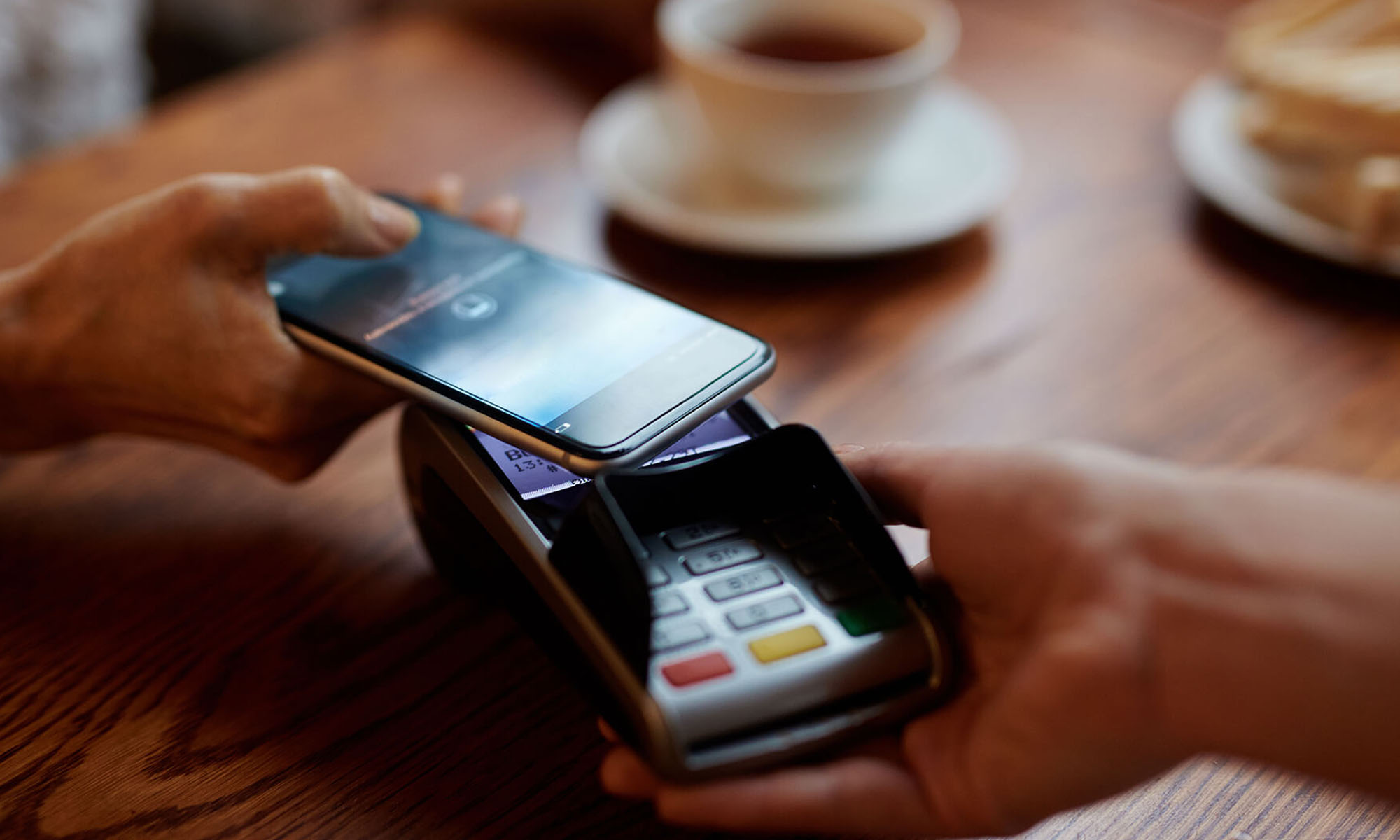
Egypt’s mobile wallets handled EGP 2.96 trillion ($57.6 billion) in transactions in the first half of 2026, according to the National Telecom Regulatory Authority – a 56% rise on the EGP 1.90 trillion ($36.9 billion) recorded a year earlier. Transactions grew faster still, up 62% to 2.22 billion, while registered wallets climbed 23% to 57.01 million.
On one reading, that is exactly what Egypt’s regulators have been pushing for: a payments system that runs through telecom-linked wallets rather than banknotes. But the same data shows how far cash still reaches into it. Cash withdrawals made up just 12% of the transactions taking money out of wallets, yet 75% of the value withdrawn or spent.
Money arrives mostly from bank accounts: transfers through InstaPay accounted for 78% of deposit transactions and 58% of the value deposited, while incoming remittances from abroad made up 3% of deposit transactions but 10% of their value. Once inside, it largely moves between wallets – wallet-to-wallet transfers accounted for 54% of all transactions and 67% of total value, with mobile and internet top-ups a distant second at 25% of volume. In effect, the wallet is serving as a transfer layer: the place money passes through between the bank account and the banknote.
That layer also runs predominantly through one operator. Vodafone Cash held 53% of registered wallets and 57% of active ones, but handled 69% of transactions and 77% of their value. Its nearest rival, e& money, held 23% of registered wallets but 14% of transaction value; Orange Cash 20% and 8%; WE Pay 4% of wallets. How many of the 57.01 million are active is not stated.
Also Read: Visa’s Return To Syria Starts With A Test And A Bank In Lebanon
Adoption is rather uneven in other respects. Men held 38 million wallets, or 67% of the total, against 19 million held by women. Users aged 26 to 45 accounted for half of all wallets, and Cairo alone had 10.6 million, or 19% of the national total, with Giza next at 6.5 million.
The NTRA says it is continuing to work with telecom operators on the regulatory framework for wallet services, part of a wider effort to expand electronic payments and financial inclusion. Its own figures show that effort succeeding on the way in. On the way out, three-quarters of the value still leaves as cash.

Egypt’s Mobile Wallets Are Booming, But Cash Still Has Power

Apple’s First Folding iPhone Arrives Late To A Shrinking Market

Apple’s Latest Product Releases Make The Headlines

Visa’s Return To Syria Starts With A Test And A Bank In Lebanon

RØDE’s New DS3 Studio Arm Is Built For Heavier Creator Setups

Anghami’s New Elite Program Starts With A Three-Decade Catalog

Dubai’s aradus Wants AI To Run The Back Office Of Physical Trade

Qatar Is Getting Its First EV Plant, Built To Cope With Gulf Heat

Qatar Airways Flies The World’s First Starlink-Equipped 787-9

Former Rockstar Director Dismisses GTA 6 Leaks As “Nothing Burger”


-
 News3 weeks ago
Former Rockstar Director Dismisses GTA 6 Leaks As “Nothing Burger”
-
 News3 weeks ago
RØDE’s New DS3 Studio Arm Is Built For Heavier Creator Setups
-

 News3 weeks ago
Dubai Turns AI On Its Own Civil Service To Measure Productivity
-
 News3 weeks ago
Visa’s Return To Syria Starts With A Test And A Bank In Lebanon