
News
After Two Decades, Microsoft Announces Skype Shut Down
21 years after its creation, the service will come to an end on May 5, 2025, as Microsoft prioritizes its Teams platform.

Microsoft has officially announced plans to discontinue Skype, with the service set to go offline on May 5, 2025. The company will instead shift its focus to Microsoft Teams, which has become its primary communication and collaboration platform.
“The way we communicate has evolved significantly over the years. From instant messaging to video calls, technology has continuously transformed how we connect […] To streamline our free consumer communications offerings so we can more easily adapt to customer needs, we will be retiring Skype in May 2025 to focus on Microsoft Teams, our modern communications and collaboration hub,” Microsoft stated.
As part of this transition, Skype’s phone calling feature — including domestic and international calls — will also be phased out. Users who rely on Skype Numbers will need to transfer them to another provider before the shutdown. However, Microsoft will maintain interoperability between Skype and Teams, allowing users to send messages between the two platforms.
To ease the migration, Microsoft will enable Skype users to sign in to Teams using their existing credentials or export their Skype data to use with another provider. Additionally, Microsoft is ending pay-as-you-go calling services for new customers while existing subscribers can use their remaining credits until their next renewal period. The company has not clarified whether users will receive refunds for unused balances.
Skype’s shutdown doesn’t come as a surprise. Originally developed in 2003, the platform quickly gained traction, reaching 40 million users by 2005, which led to eBay acquiring it for $2.6 billion. Microsoft later purchased Skype in 2011 for $8.5 billion, but over time, the platform struggled to maintain its dominance after the rise of competitors like Zoom and Slack.
Also Read: Top E-Commerce Websites In The Middle East In 2025
Microsoft’s introduction of Teams in 2017 as a direct competitor to Slack, also meant a gradual overshadowing of Skype. The platform became even more central to Microsoft’s ecosystem when it was made the default communication app for Windows 11. By December 2024, Microsoft had already stopped allowing Skype users to add credit or purchase new phone numbers, signaling its intent to phase out the platform completely.
Jeff Teper, president of Microsoft 365 collaborative apps and platforms, acknowledged the significance of the decision. “We know this is a big deal for our Skype users, and we’re very grateful for their support of Skype and all the learnings that have factored into Teams over the last seven years,” he said. “At this point, putting all our focus behind Teams will let us give a simpler message and drive faster innovation”.




News
Microsoft Plans $10 Billion-Plus Gulf Expansion Despite Iran Conflict
Security is shaping Microsoft’s approach, from resilience work with governments to what it will say about how the money splits by country.
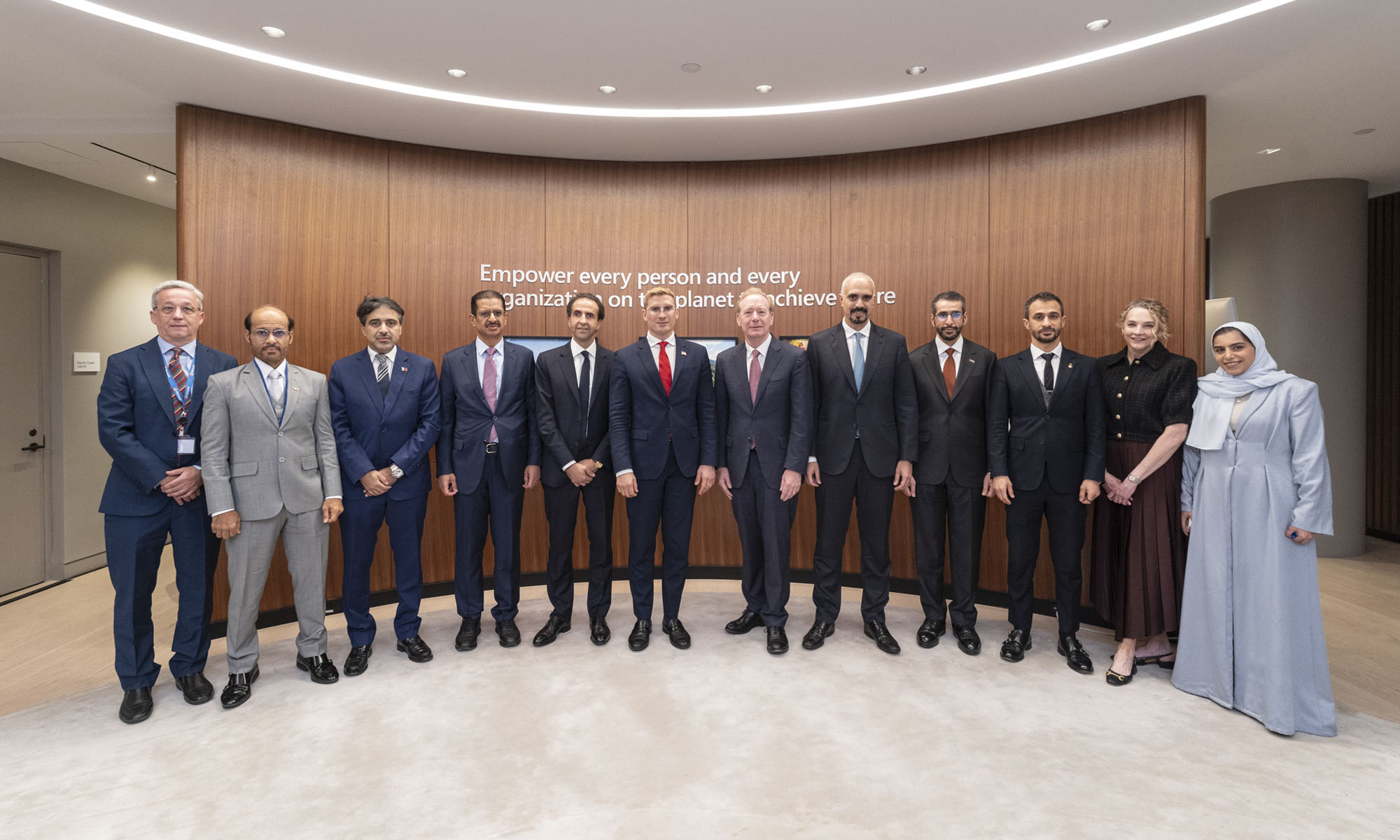
Microsoft is planning more than $10 billion of investment across the UAE, Saudi Arabia, Qatar and Kuwait through 2030, Vice Chair and President Brad Smith told Reuters, calling the spending schedule aggressive. The Iranian conflict that began on February 28 has not persuaded the company to scale back.
“We’re sustaining all the investments we planned to make before this conflict started, and we are in fact adding to them,” Smith said. The $10 billion-plus total does not, however, show how large those additions are.
The investment, which Smith described as part of Microsoft’s continued infrastructure expansion, is aimed at cloud and AI infrastructure and at the company’s growing regional operations. Microsoft also intends to put more than $400 million into subsea and terrestrial connectivity across the Middle East by 2030.
The spending fits the region’s own ambitions too. Gulf governments have been investing heavily in AI infrastructure as part of a push to diversify their economies beyond oil and gas and turn themselves into global technology hubs. Major cloud and AI providers have been drawn in part by the land and relatively low-cost energy on offer.
Microsoft is widening its partnerships with regional AI companies, though not on identical terms. In 2024, it invested $1.5 billion in Abu Dhabi-based G42 for a minority stake, and Smith currently sits on G42’s board. Saudi Arabia’s Humain and Qatar’s Qai are working with Microsoft on selected priority areas, but Smith said the company does not plan to make capital investments in either.
Also Read: Egypt’s Mobile Wallets Are Booming, But Cash Still Has Power
The conflict has added another strand to Microsoft’s work in the region. Since it began, Smith said, the company has supported regional partners with digital resilience assessments, and it is now working with Gulf countries through a digital resilience initiative focused on preparedness and the protection of critical data.
So far, the company has given no country-by-country breakdown of the investment, citing security among other factors. So while the headline figure is public, how Microsoft divides the spending among the four countries is not.

Microsoft Plans $10 Billion-Plus Gulf Expansion Despite Iran Conflict

In Kuwait, Your Surgeon Might Be Operating From Another Country

Qatar Folds 45 State Companies Into A Single Investment Platform

Trip.com Is Betting An AI Agent Will Book Your Next Vacation

Meta’s New $499 Plan Puts A Price On Reaching A Real Person

Apple’s First Folding iPhone Arrives Late To A Shrinking Market
Trip.com Is Betting An AI Agent Will Book Your Next Vacation

Egypt’s Mobile Wallets Are Booming, But Cash Still Has Power

OKX Bets Streaming Perks Can Take Crypto Mainstream Across MENA

Musk’s Boring Company Wants To Dig 150 KM Of Tunnel Under The UAE


-
 News3 weeks ago
Apple’s First Folding iPhone Arrives Late To A Shrinking Market
-
 News2 weeks ago
Trip.com Is Betting An AI Agent Will Book Your Next Vacation
-
 News2 weeks ago
Egypt’s Mobile Wallets Are Booming, But Cash Still Has Power
-
 News2 weeks ago
OKX Bets Streaming Perks Can Take Crypto Mainstream Across MENA