
News
Aramco Installs Middle East’s First Industrial Quantum Computer
Saudi Arabia brings quantum hardware into day-to-day energy work, pushing the tech from theory to field use.


Aramco has switched on the Middle East’s first industrial quantum computer at its Dhahran data center, a direct move to fold advanced computing into upstream and downstream operations. The machine — built with French firm Pasqal — is the startup’s most powerful system yet and the first in the region intended for real industrial workloads rather than lab trials.
The rollout sits inside Aramco’s wider digital shift. Ahmad O. Al-Khowaiter, Executive Vice President of Technology & Innovation, said quantum fits the company’s push to modernize core operations. “We are deploying AI and other technologies at scale to further enhance our operations, maximize efficiency and unlock value across our business,” he said.
Pasqal’s unit uses 200 neutral-atom qubits arranged in programmable two-dimensional arrays. That opens room for optimization and simulation work that stretches classical hardware. Aramco is targeting subsurface modelling, materials research and logistics planning — areas where marginal improvements can reshape high-volume industrial processes.
For Pasqal, the installation signals a foothold in a market aligned with Saudi Arabia’s Vision 2030. CEO Loïc Henriet called it “a historic milestone,” adding, “The deployment of our most powerful quantum computer yet is a piece of history and a landmark for the Middle East’s quantum future”.
Also Read: IBM Unveils Nighthawk And Loon Quantum Chips
The companies have been working together for several years. Wa’ed Ventures, Aramco’s VC arm, backed Pasqal early in 2023 and helped the firm build a presence in the Kingdom. Training programs and joint research tracks are planned, giving Saudi engineers access to live quantum hardware — a rarity even in mature tech markets.
Unlike many quantum setups still locked in academic roles, the Dhahran machine is meant for immediate testing and decision-making in industrial and high-end environments. Aramco aims to probe quantum-driven optimization, computational chemistry and predictive models, hoping to spot practical gains long before fault-tolerant systems arrive. The move places the Kingdom among a small set of countries exploring quantum tools on strategic industrial workloads.







News
Visa’s Return To Syria Starts With A Test And A Bank In Lebanon
Foreign visitors will be the first users to benefit, but whether Syria’s own banks and cardholders follow is still an open question.

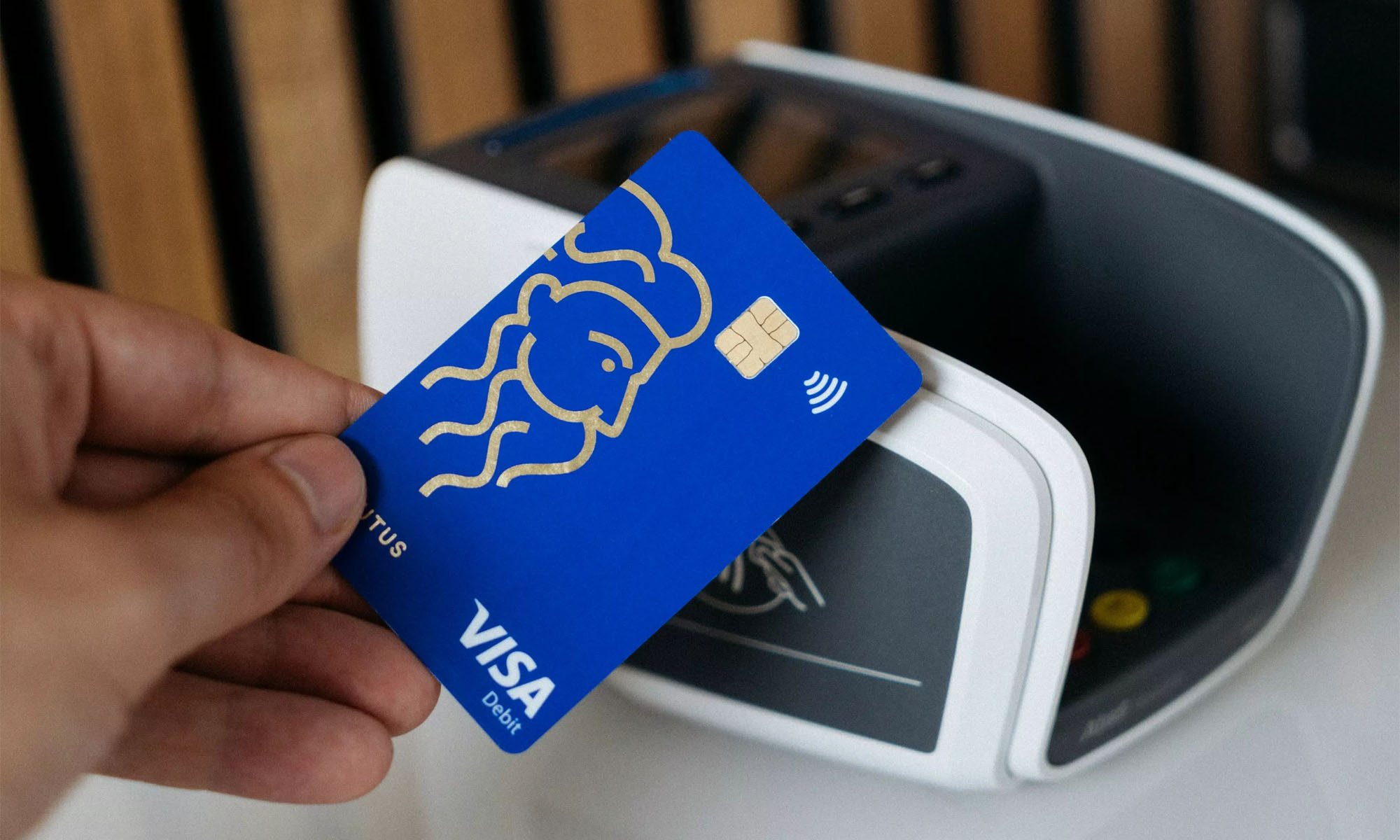
Visa is returning to Syria. Its first live international card transaction in the country was a test rather than a launch, and the milestone event ran through a Lebanese bank.
The acquirer (the bank on the merchant’s side of a card payment) was Fransabank Lebanon, with Paymera as the other named partner. Nadim Moujaes, who heads a Fransabank Group subsidiary, describes the test as both the culmination of “longstanding efforts to link Syria back to international payment networks” and “the first step in a larger path”.
Syrian President Ahmed Al-Sharaa makes the first electronic payment in Syria using a @Visa card at a store in Damascus, following the lifting of US sanctions on Syria. pic.twitter.com/lpAN7nQ6Fc
— Tech Magazine (@TechMGZN) August 27, 2026
“We are excited to have successfully tested live transactions today as we plan to enable international visitors to use their Visa cards while in Syria,” says Leila Serhan, Visa’s senior vice president and group country manager for the North Africa, Levant and Pakistan region. Although a significant first step, that plan doesn’t come with a hard date for when a visitor’s card will work normally.
Mohammed Safwat Raslan, governor of the Central Bank of Syria, says the test paves the way for international card acceptance in Syria and that maintaining strong compliance, risk management and operational controls will remain essential. Serhan likewise stresses that Visa has worked within applicable legal, regulatory and compliance requirements. For a test transaction, it seems there was a great deal of attention paid to the rules, with the entire operation being carefully managed.
Also Read: Lebanon’s 5G Era Begins With 150 Stations And A $1M Budget
The test is the latest step in a sequence that began in December 2025, when Visa announced a strategic roadmap to support Syria’s integration into the global digital economy. In February 2026 it hosted its first industry gathering of banks, ecosystem partners and policymakers in Damascus and, the same month, signed an agreement with Syria’s Ministry of Communications and Information Technology in San Francisco.
Michel Kattouah, Paymera’s CEO, called the test “the return of international card acceptance,” but while that’s positive news, there’s no word yet on when a Syrian bank will issue a Visa card to a Syrian customer.

Visa’s Return To Syria Starts With A Test And A Bank In Lebanon

RØDE’s New DS3 Studio Arm Is Built For Heavier Creator Setups

Dubai Turns AI On Its Own Civil Service To Measure Productivity

Former Rockstar Director Dismisses GTA 6 Leaks As “Nothing Burger”

Qatar Airways Flies The World’s First Starlink-Equipped 787-9

Shokz OpenFit Pro Review: Open-Ear Audio Finally Grows Up

Syria Just Got Its First Super App Featuring Built-In Digital Payments

Lebanon’s 5G Era Begins With 150 Stations And A $1M Budget

Samsung And Spotify Offer Free Premium Deal In MENA

Spotify Will Now Tell You If Your Favorite Artist Isn’t Real


-
 News3 weeks ago
Lebanon’s 5G Era Begins With 150 Stations And A $1M Budget
-
 News3 weeks ago
Samsung And Spotify Offer Free Premium Deal In MENA
-
 News2 weeks ago
Spotify Will Now Tell You If Your Favorite Artist Isn’t Real
-

 News2 weeks ago
Instagram Redraws Its Wordmark And The Internet Reads “Instagzam”