
News
Dubai’s PRYPCO Mint Is MENA’s First Tokenized Real Estate Project
Dubai Land Department has partnered with PRYPCO to launch the tokenization platform offering fractional property investment starting from AED 2,000.


Dubai has taken a major leap in real estate innovation with the launch of the MENA region’s first tokenized property investment project, initiated by the Dubai Land Department (DLD) in collaboration with PRYPCO. The platform, known as PRYPCO Mint, was unveiled as part of a pilot program that enables fractional investment in prime Dubai real estate, with participation starting from just AED 2,000.
This pioneering move is supported by the Virtual Assets Regulatory Authority (VARA), the Central Bank of the UAE, and the Dubai Future Foundation. The initiative reflects the UAE’s growing focus on digital infrastructure and regulatory innovation, with Zand Digital Bank appointed as the banking partner for the pilot phase.
Accessible at mint.prypco.com, the platform currently accepts only UAE ID holders and transacts exclusively in UAE Dirhams, with no cryptocurrencies involved during the pilot. Investors can view detailed property data including pricing, technical specifications, risk profiles, and expected returns. Each investment is backed by legally documented ownership issued by the DLD, offering a transparent, secure, and hassle-free entry into the real estate market.
The project stems from a strategic alliance between DLD, PRYPCO, and Ctrl Alt Solutions, aiming to create a clear legal and operational framework for asset tokenization. Tokenized assets are expected to make up up to 7% of Dubai’s real estate market by 2033, potentially representing AED 60 billion (USD 16 billion) in value.
Also Read: ExecuJet Middle East Expands Ultra-Long-Range Jet Fleet
Oversight is shared between the DLD and VARA, ensuring coordination between physical and digital asset regulation. The Central Bank adds an extra layer of protection through its Client Money Account (CMA) system, where investor funds are held in escrow until purchases are finalized, ensuring full transactional transparency.
In its pilot phase, the project is restricted to ready-to-own properties and limited to licensed tokenization firms — currently PRYPCO and Ctrl Alt — with plans to onboard more as the framework matures. Investors benefit from both rental income and capital appreciation, without the traditional burdens of property management.
The initiative signals a new chapter for real estate investment in the region, combining digital efficiency with regulatory rigor to unlock broader access and long-term economic value.






News
Microsoft Plans $10 Billion-Plus Gulf Expansion Despite Iran Conflict
Security is shaping Microsoft’s approach, from resilience work with governments to what it will say about how the money splits by country.
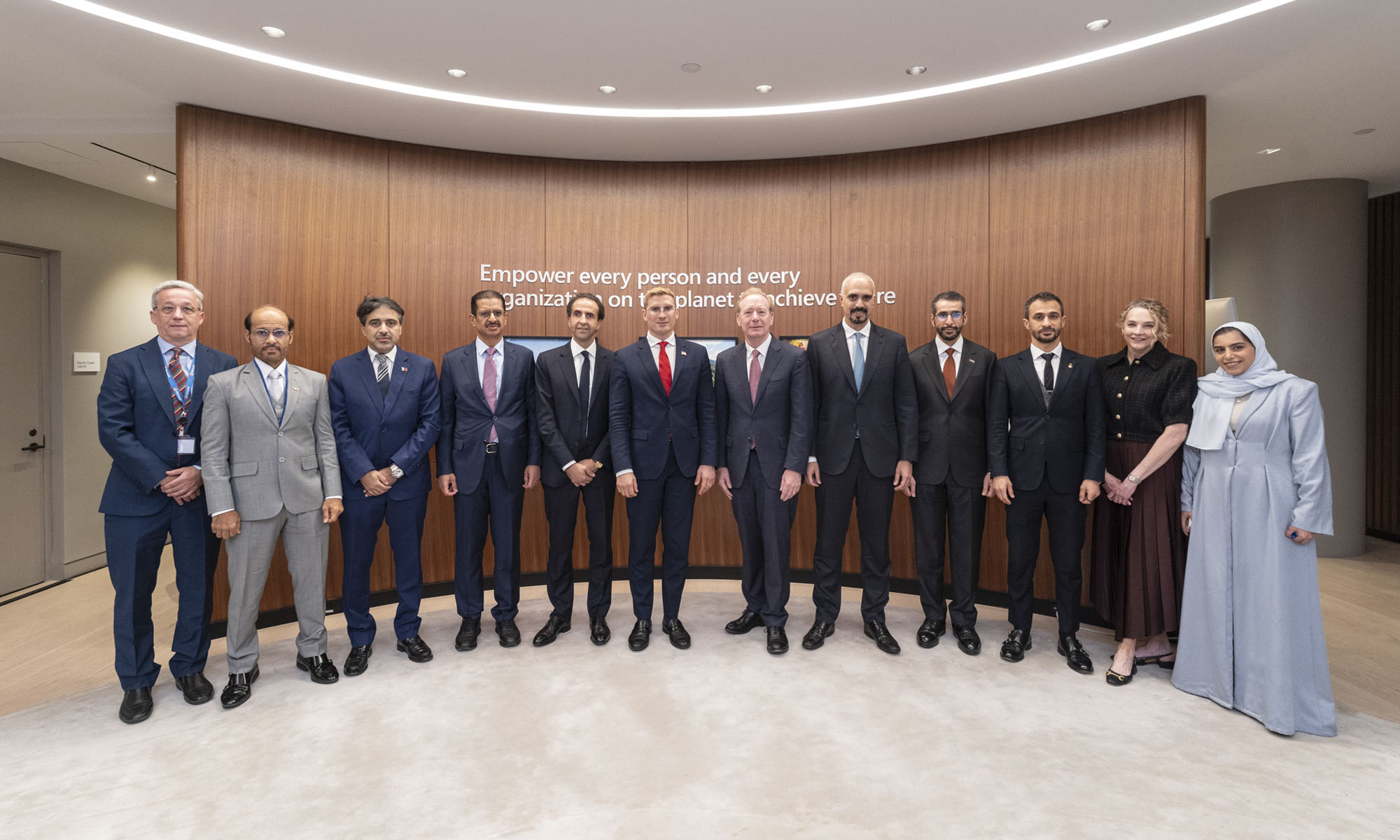
Microsoft is planning more than $10 billion of investment across the UAE, Saudi Arabia, Qatar and Kuwait through 2030, Vice Chair and President Brad Smith told Reuters, calling the spending schedule aggressive. The Iranian conflict that began on February 28 has not persuaded the company to scale back.
“We’re sustaining all the investments we planned to make before this conflict started, and we are in fact adding to them,” Smith said. The $10 billion-plus total does not, however, show how large those additions are.
The investment, which Smith described as part of Microsoft’s continued infrastructure expansion, is aimed at cloud and AI infrastructure and at the company’s growing regional operations. Microsoft also intends to put more than $400 million into subsea and terrestrial connectivity across the Middle East by 2030.
The spending fits the region’s own ambitions too. Gulf governments have been investing heavily in AI infrastructure as part of a push to diversify their economies beyond oil and gas and turn themselves into global technology hubs. Major cloud and AI providers have been drawn in part by the land and relatively low-cost energy on offer.
Microsoft is widening its partnerships with regional AI companies, though not on identical terms. In 2024, it invested $1.5 billion in Abu Dhabi-based G42 for a minority stake, and Smith currently sits on G42’s board. Saudi Arabia’s Humain and Qatar’s Qai are working with Microsoft on selected priority areas, but Smith said the company does not plan to make capital investments in either.
Also Read: Egypt’s Mobile Wallets Are Booming, But Cash Still Has Power
The conflict has added another strand to Microsoft’s work in the region. Since it began, Smith said, the company has supported regional partners with digital resilience assessments, and it is now working with Gulf countries through a digital resilience initiative focused on preparedness and the protection of critical data.
So far, the company has given no country-by-country breakdown of the investment, citing security among other factors. So while the headline figure is public, how Microsoft divides the spending among the four countries is not.

Microsoft Plans $10 Billion-Plus Gulf Expansion Despite Iran Conflict

In Kuwait, Your Surgeon Might Be Operating From Another Country

Qatar Folds 45 State Companies Into A Single Investment Platform

Trip.com Is Betting An AI Agent Will Book Your Next Vacation

Meta’s New $499 Plan Puts A Price On Reaching A Real Person

Apple’s First Folding iPhone Arrives Late To A Shrinking Market
Trip.com Is Betting An AI Agent Will Book Your Next Vacation

Egypt’s Mobile Wallets Are Booming, But Cash Still Has Power

OKX Bets Streaming Perks Can Take Crypto Mainstream Across MENA

Apple’s Latest Product Releases Make The Headlines


-
 News3 weeks ago
Apple’s First Folding iPhone Arrives Late To A Shrinking Market
-
 News2 weeks ago
Trip.com Is Betting An AI Agent Will Book Your Next Vacation
-
 News2 weeks ago
Egypt’s Mobile Wallets Are Booming, But Cash Still Has Power
-
 News2 weeks ago
OKX Bets Streaming Perks Can Take Crypto Mainstream Across MENA