
News
Eufy’s New 360° 4K Camera Doesn’t Require Wi-Fi Or Mains Power
The device has the same $249.99 launch price as the firm’s previous LTE-equipped Starlight camera but offers many more features.

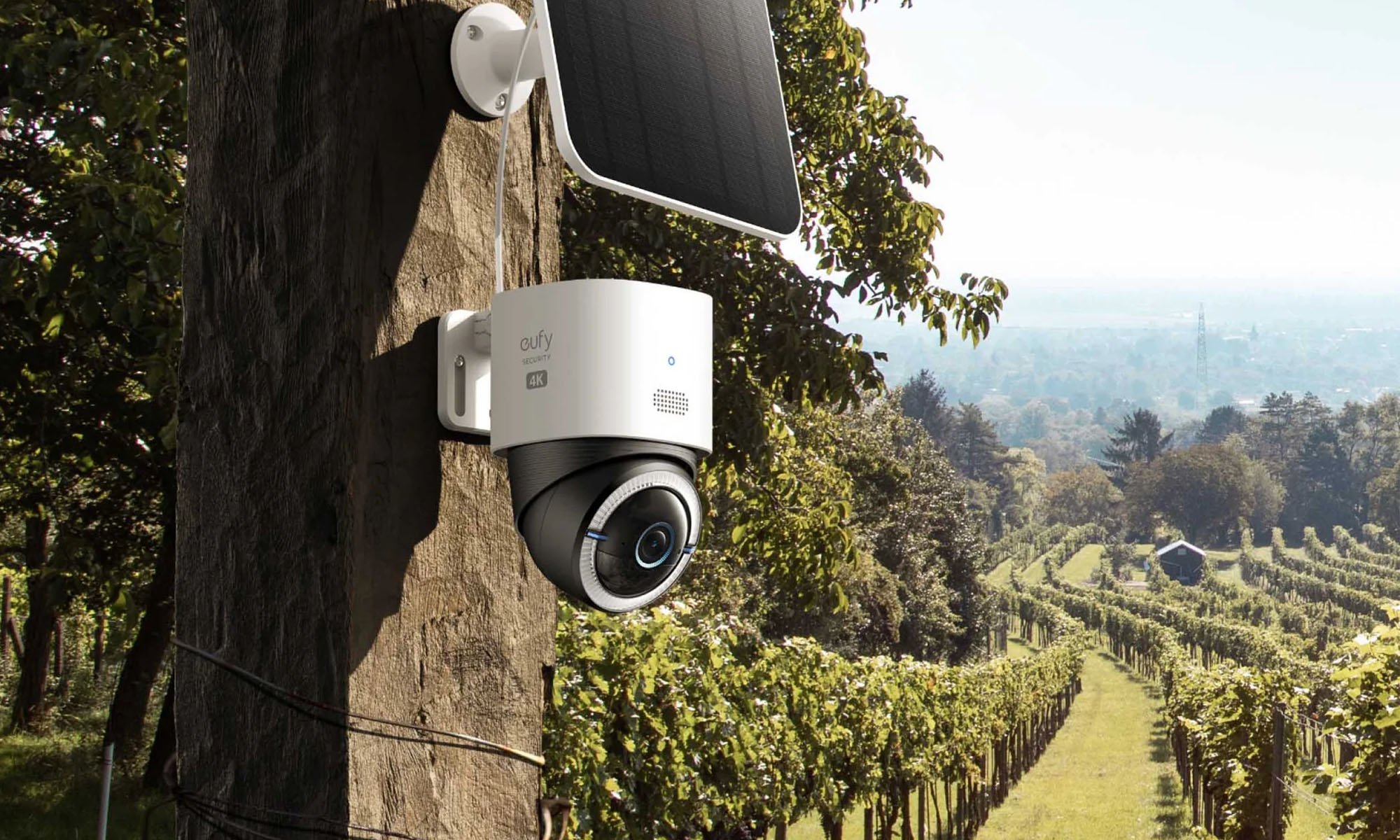
Anker’s Eufy division has unveiled the S330, a feature-packed and fully self-sufficient 4K security camera offering a full 360-degree field of view, with pan up to 344 degrees and tilt capabilities of 70 degrees. What sets the device apart is its ability to operate autonomously without the need for Wi-Fi or conventional power sources, a feature the company touts as “off-the-grid freedom”.
Priced at $249.99, the Eufy 4G LTE Cam S330 utilizes LTE (4G) connectivity, bypassing the necessity for Wi-Fi by tapping into nearby cell towers. In addition, it features a removable solar panel, requiring just two hours of sunlight to sustain its 36.2Wh battery. With a battery life of up to one month on a single charge, it remains operational even in adverse or overcast weather conditions.
The S330 effectively addresses previous concerns with LTE-enabled cameras, offering versatile installation options for both urban and remote settings. Designed to withstand extreme temperatures (-4 to 122 degrees Fahrenheit) and equipped with AI-powered detection for vehicles and humans, it also ensures minimal false alarms.
Also Read: Meet LiFi: The New Tech Delivering High-Speed Internet Using Light
Additionally, the S330 incorporates a 100-lumen spotlight for illumination and supports two-way audio, alarm activation, and voice control via Google Assistant and Amazon Alexa. Local storage of up to eight months’ worth of recordings is facilitated by a 32GB microSD card, with expansion options up to 128 GB.
Eufy claims there are no activation fees or contracts for utilizing the camera’s SIM card facility, but users will need to pay for any data used after the initial 100MB trial has been used up. Apparently, the S330 uses an average of 700 MB a month, which is definitely something you’ll want to factor in before making a purchase.

News
Visa’s Return To Syria Starts With A Test And A Bank In Lebanon
Foreign visitors will be the first users to benefit, but whether Syria’s own banks and cardholders follow is still an open question.

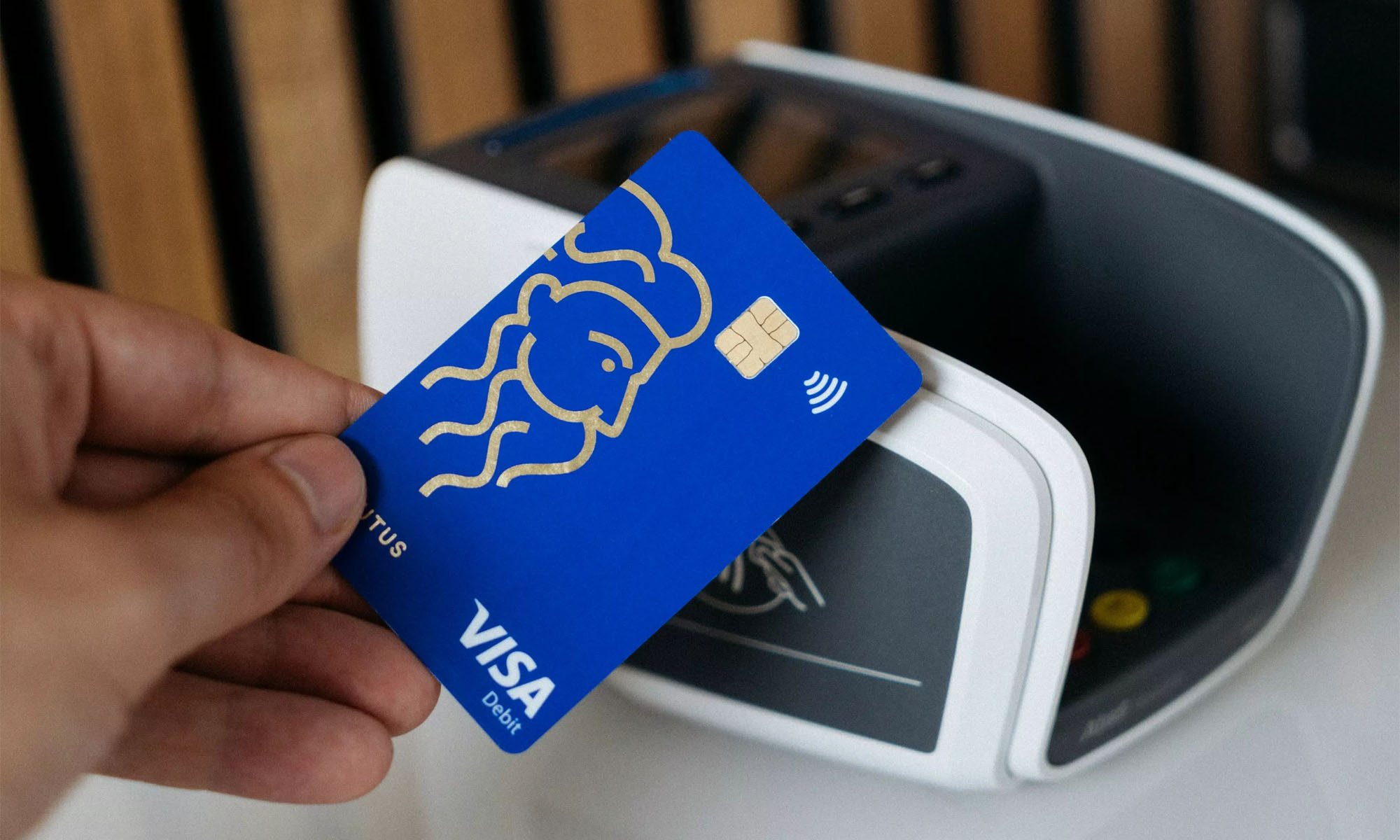
Visa is returning to Syria. Its first live international card transaction in the country was a test rather than a launch, and the milestone event ran through a Lebanese bank.
The acquirer (the bank on the merchant’s side of a card payment) was Fransabank Lebanon, with Paymera as the other named partner. Nadim Moujaes, who heads a Fransabank Group subsidiary, describes the test as both the culmination of “longstanding efforts to link Syria back to international payment networks” and “the first step in a larger path”.
Syrian President Ahmed Al-Sharaa makes the first electronic payment in Syria using a @Visa card at a store in Damascus, following the lifting of US sanctions on Syria. pic.twitter.com/lpAN7nQ6Fc
— Tech Magazine (@TechMGZN) August 27, 2026
“We are excited to have successfully tested live transactions today as we plan to enable international visitors to use their Visa cards while in Syria,” says Leila Serhan, Visa’s senior vice president and group country manager for the North Africa, Levant and Pakistan region. Although a significant first step, that plan doesn’t come with a hard date for when a visitor’s card will work normally.
Mohammed Safwat Raslan, governor of the Central Bank of Syria, says the test paves the way for international card acceptance in Syria and that maintaining strong compliance, risk management and operational controls will remain essential. Serhan likewise stresses that Visa has worked within applicable legal, regulatory and compliance requirements. For a test transaction, it seems there was a great deal of attention paid to the rules, with the entire operation being carefully managed.
Also Read: Lebanon’s 5G Era Begins With 150 Stations And A $1M Budget
The test is the latest step in a sequence that began in December 2025, when Visa announced a strategic roadmap to support Syria’s integration into the global digital economy. In February 2026 it hosted its first industry gathering of banks, ecosystem partners and policymakers in Damascus and, the same month, signed an agreement with Syria’s Ministry of Communications and Information Technology in San Francisco.
Michel Kattouah, Paymera’s CEO, called the test “the return of international card acceptance,” but while that’s positive news, there’s no word yet on when a Syrian bank will issue a Visa card to a Syrian customer.

Visa’s Return To Syria Starts With A Test And A Bank In Lebanon

RØDE’s New DS3 Studio Arm Is Built For Heavier Creator Setups

Dubai Turns AI On Its Own Civil Service To Measure Productivity

Former Rockstar Director Dismisses GTA 6 Leaks As “Nothing Burger”

Qatar Airways Flies The World’s First Starlink-Equipped 787-9

Spotify Will Now Tell You If Your Favorite Artist Isn’t Real

Instagram Redraws Its Wordmark And The Internet Reads “Instagzam”

Anghami’s New Elite Program Starts With A Three-Decade Catalog

Qatar Is Getting Its First EV Plant, Built To Cope With Gulf Heat

Dubai’s aradus Wants AI To Run The Back Office Of Physical Trade


-
 News3 weeks ago
Instagram Redraws Its Wordmark And The Internet Reads “Instagzam”
-
 News3 weeks ago
Anghami’s New Elite Program Starts With A Three-Decade Catalog
-
 News3 weeks ago
Qatar Is Getting Its First EV Plant, Built To Cope With Gulf Heat
-
 News3 weeks ago
Dubai’s aradus Wants AI To Run The Back Office Of Physical Trade