
News
Microsoft Enhances AI Capabilities In Windows 11 Update
The update isn’t a game changer, but is useful for Copilot fans.

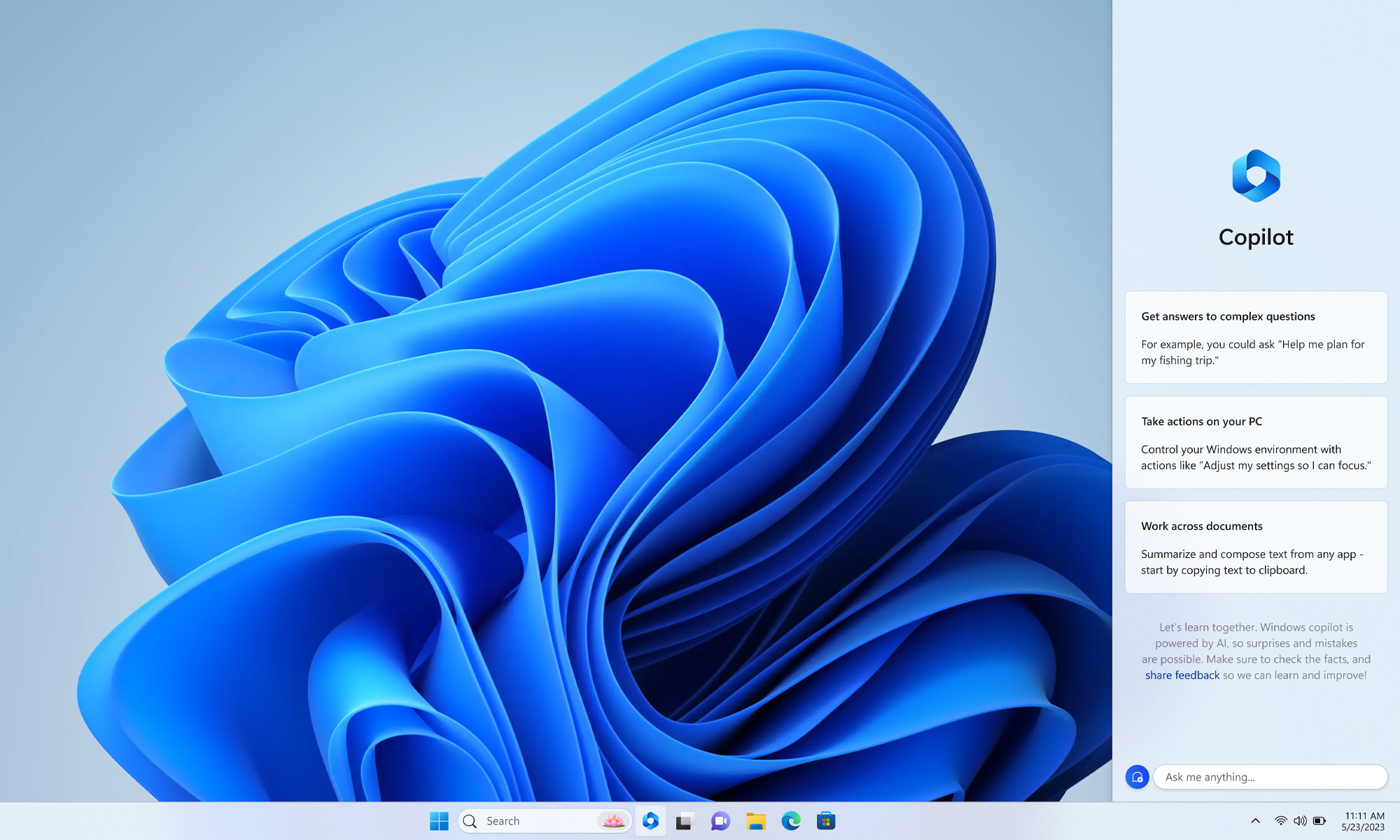
After introducing Copilot Pro at the beginning of the year, Microsoft has added a series of enhancements to bolster its AI assistant’s functionality in Windows 11. A notable new addition is the integration of plugins, a feature previously exclusive to the web version of Copilot.
Users can now seamlessly connect Copilot with various services like OpenTable and Instacart, allowing them to book restaurant reservations and do grocery shopping directly within the chat interface. Additional plugins from Kayak, Klarna, and Shopify are slated for release in the coming month, underscoring Microsoft’s aim to optimize usability within the Copilot environment.
In addition, Microsoft is streamlining access to system settings by enabling users to perform tasks like toggling battery saver mode, and managing hardware profiles directly from inside of the AI chat interface. Copilot can also execute commands to activate accessibility features such as Live Captions, Narrator, and Screen Magnifier, as well as display available Wi-Fi networks. This enhanced integration should improve the user experience by eliminating the need to navigate through the Settings app.
Furthermore, Microsoft is enhancing AI capabilities in select Windows 11 apps such as Photos and Clipchamp. Photos now features a Generative Erase function for removing unwanted elements from images, while Clipchamp is set to introduce a Silence Removal AI tool for editing videos.
Also Read: Getting Started With Google Gemini: A Beginner’s Guide
These Copilot and AI enhancements will be gradually rolled out to users with Windows 11 versions 22H2 and 23H2. To access these updates, Microsoft advises users to enable the “Get the latest updates as soon as they’re available” option. Most features are expected to be accessible with the optional March 2024 non-security preview update.




News
For etisalat, More Bandwidth Is A Matter Of Digital Sovereignty
The etisalat group plans to expand its international capacity from 20 Tbps to more than 500 Tbps by 2030, with new routes designed for speed and resilience.

By 2030, etisalat group plans to lift its international connectivity capacity to more than 500 terabits per second (Tbps), more than 25 times the 20 Tbps it has today. The group presented the expansion as preparation for rising AI demand and an important move for the UAE’s digital sovereignty.
His Highness Sheikh Mansour bin Zayed Al Nahyan, Vice President, Deputy Prime Minister and Chairman of the Presidential Court, witnessed the launch of the project, which covers the UAE and international markets. Sheikh Mansour is also Chairman of the Emirates Investment Authority, etisalat group’s main shareholder.
He emphasized the role of coordinated national efforts in advancing the UAE’s AI and digital economy ambitions. “AI is a central pillar in our development journey moving forward,” he said, adding that developing the country’s digital capabilities would empower every institution, public and private, to build and innovate with AI “at the scale the coming decade will demand”.
“This project reflects our conviction that the UAE should not simply adopt AI, but govern it and build with it,” said H.E Jassem Mohamed Bu Ataba Alzaabi, Chairman of etisalat group. “That requires digital infrastructure at a scale that would prepare us for the future”. He cast greater international connectivity as a strategic answer to the challenges of processing and moving data globally.
Also Read: RØDE’s Low-Profile Studio Arm Is Designed To Stay Out Of Shot
Beyond raw bandwidth, the expansion will introduce new connectivity routes intended to improve reliability and efficiency, and Alzaabi tied them directly to the sovereignty goal. “Delivered through diversified routes and low-latency design, the project is set to keep the country’s connection to the global digital economy fast, direct and resilient, while ensuring the UAE’s digital sovereignty,” he said.
He also linked the plan to the group’s 50-year commitment to building infrastructure for the nation. The announcement didn’t mention what the expansion will cost. Nor did it name the new routes or say who will build them, the details that would show what digital sovereignty means in practice.

For etisalat, More Bandwidth Is A Matter Of Digital Sovereignty

NEOPAY Wants To Follow Merchants Across Channels And Borders

RØDE’s Low-Profile Studio Arm Is Designed To Stay Out Of Shot

Microsoft Plans $10 Billion-Plus Gulf Expansion Despite Iran Conflict

In Kuwait, Your Surgeon Might Be Operating From Another Country

Trip.com Is Betting An AI Agent Will Book Your Next Vacation

Musk’s Boring Company Wants To Dig 150 KM Of Tunnel Under The UAE

OKX Bets Streaming Perks Can Take Crypto Mainstream Across MENA

Apple’s First Folding iPhone Arrives Late To A Shrinking Market

Egypt’s Mobile Wallets Are Booming, But Cash Still Has Power


-
 News3 weeks ago
Trip.com Is Betting An AI Agent Will Book Your Next Vacation
-
 News3 weeks ago
Musk’s Boring Company Wants To Dig 150 KM Of Tunnel Under The UAE
-
 News3 weeks ago
OKX Bets Streaming Perks Can Take Crypto Mainstream Across MENA
-

 News3 weeks ago
Meta’s New $499 Plan Puts A Price On Reaching A Real Person