
News
Fitbit Unveils 3 New Fitness Trackers — Without Wear OS 3
The svelte updates to the Inspire, Versa, and Sense models still don’t use Google’s wearable OS, though the range still looks tempting.

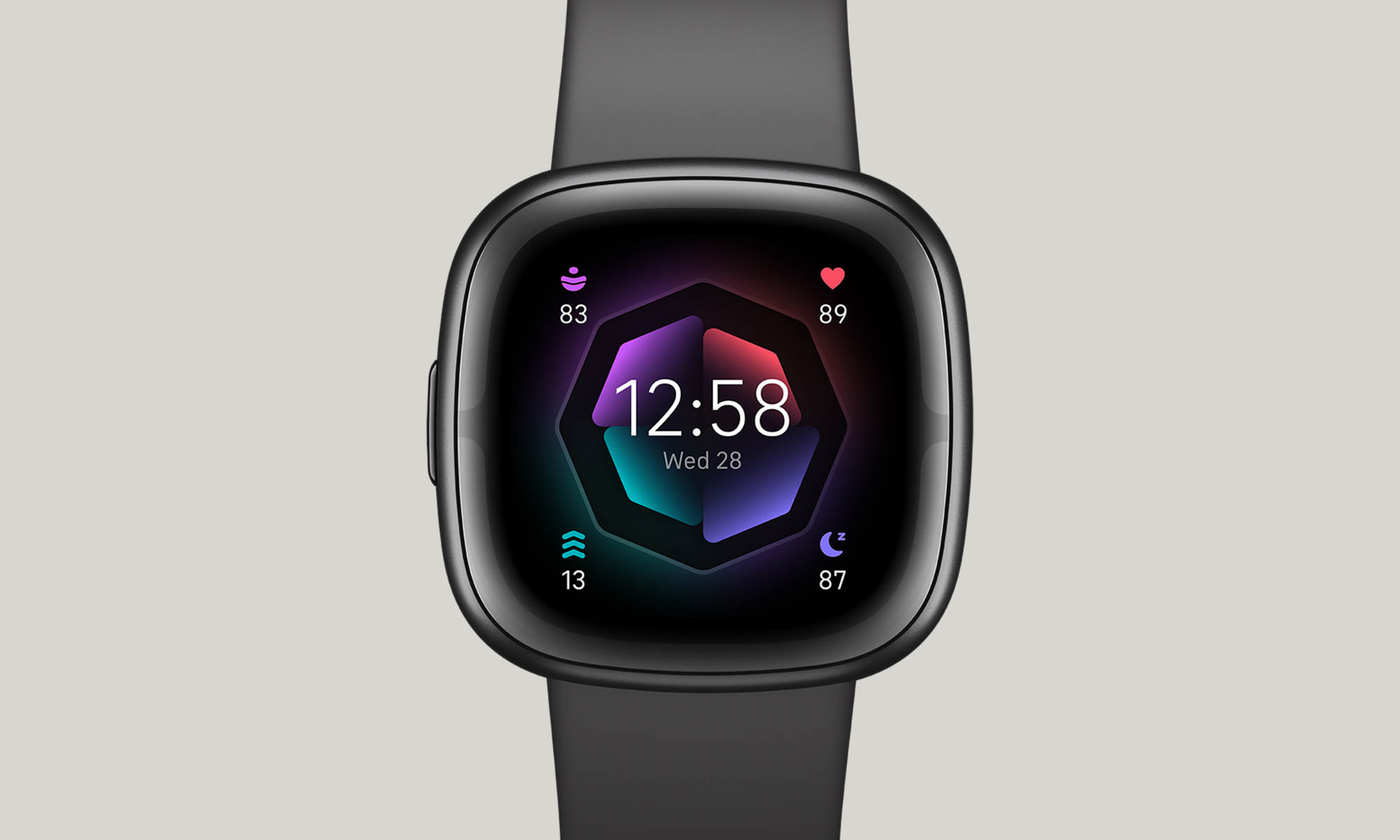
If you were eagerly awaiting a new smartwatch release from Fitbit that would feature an updated OS in the form of Google Wear 3, you’ll probably be disappointed by the firm’s latest announcement. However, that’s perhaps as far as bad news goes for this new range of fitness trackers, as overall, the trio of models otherwise look incredibly compelling.
The Inspire 3, Versa 4, and Sense 2 are all now available for preorder, with each model looking a little slimmer and more polished than before, albeit sporting Fitbit’s own OS instead of the Google iteration. Fitbit’s software is attractive and easy enough to use, and you’ll still be able to access maps and wallet features from the search giant despite not getting the full Wear OS treatment.
Light Fantastic
At $100, the Inspire 3 is the entry-level model and compares favorably to the likes of Garmin’s Vivosmart series.
The always-on AMOLED face and 10-day battery life are notable in this price tier, as are the monitoring features, which boast:
- Always-on tracking for blood oxygen (SpO2).
- Always-on skin temperature monitor.
- Irregular heartbeat rhythm warning.
The watch has also received FDA approval and CE marking, so you can be sure the device will keep a watchful eye over your vital signs. As well as comprehensive monitoring, you also get a Daily Readiness score, helping you decide whether you need to recover or head out for another training session, and a new Sleep Profile feature able to track 10 different sleep metrics.
The Inspire 3 comes in three colors and can be fitted with a wide range of new Fitbit bands too.
A Genuine Apple Alternative?
The Versa 4 ($230) and Sense 2 ($300) aim to take a slice of the Apple Watch’s market share, though, of course, both devices work with Android and iOS, so offer a good deal more flexibility than Cupertino’s walled garden device.
Both Fitbit trackers have overhauled software, tweaked to offer a (dare we say) more Apple-like vibe. However, unlike Apple’s devices, they will comfortably last a whole week on a charge and refill to a day’s worth of power in just 12 minutes.
Features include everything present on the Inspire 3, with the Versa 4 being optimized for workouts, using built-in GPS and 40 exercise modes. The Sense 2 now features a Body Response sensor that hunts for stress triggers and alerts the wearer if anything troubling is uncovered.
Both watches are also lighter and thinner than previous iterations, with the entire lineup offering a slimmer, smarter experience all around.


News
New Disney+ Streaming App Has Officially Launched In The UAE
The app’s recommendations now factor in what’s popular in the UAE, and a dedicated Junior Mode gives kids their own corner of Disney+.


A new Disney+ app has officially launched in the UAE, and subscribers can now keep watching their favorite titles when they travel. Disney+ says access extends across supported markets in Europe, the United States and beyond.
The app is built around a dynamic homepage and simpler navigation, with recommendations drawn from each customer’s viewing habits and what’s popular in the UAE. Content from Hulu and ESPN is now easier to find alongside Disney+’s own library, the company says. Audio and subtitles come in up to 25 languages, and supported devices get high-quality video and sound.
For families, the app includes Junior Mode, a dedicated, simplified version of Disney+ for younger viewers, built around age-appropriate shows and movies. It sits alongside existing controls such as PIN-protected profiles, customizable content ratings and account notifications when a profile is changed.
The catalog still spans Disney, Pixar, Marvel, Star Wars, National Geographic, Hulu and FX. Returning series include Season 8 of “The Kardashians,” Season 23 of “Grey’s Anatomy” and Season 38 of “The Simpsons”. Also on the service are the second season of International Emmy and BAFTA Award-winning series “Rivals,” comedy “Only Murders in the Building,” Walt Disney Animation Studios’ “Zootropolis 2” and 20th Century Studios’ “Send Help”.
Also Read: Best Video Streaming Services In The Middle East
Marvel Television’s “VisionQuest” is on the way, and Disney’s live-action “Moana” is due later this autumn. Beyond Hollywood, the Turkish title “Halef” is coming to the platform alongside a lineup of Korean entertainment: Korean-Japanese romantic comedy “Merry Berry Love” is streaming now, and “The Remarried Empress” arrives November 4.
Existing subscribers will be prompted to download the new app and sign in with their current credentials, with on-screen steps covering account confirmation and profile setup. Subscriptions start at AED 49.99 per month and can be canceled at any time.
For UAE subscribers planning to travel, the update will likely be well received, but Disney has left one question open. It confirms Europe and the United States as supported markets but doesn’t yet say which others fall under and beyond.

New Disney+ Streaming App Has Officially Launched In The UAE

Dubai Says Its Deepfake Detector Needs Just 7 Seconds Of Video

OpenAI Has Announced A Visual Ad Format For ChatGPT

For etisalat, More Bandwidth Is A Matter Of Digital Sovereignty

NEOPAY Wants To Follow Merchants Across Channels And Borders

Trip.com Is Betting An AI Agent Will Book Your Next Vacation

Musk’s Boring Company Wants To Dig 150 KM Of Tunnel Under The UAE

OKX Bets Streaming Perks Can Take Crypto Mainstream Across MENA

Meta’s New $499 Plan Puts A Price On Reaching A Real Person

Apple’s First Folding iPhone Arrives Late To A Shrinking Market


-
 News3 weeks ago
Trip.com Is Betting An AI Agent Will Book Your Next Vacation
-
 News4 weeks ago
Musk’s Boring Company Wants To Dig 150 KM Of Tunnel Under The UAE
-
 News3 weeks ago
OKX Bets Streaming Perks Can Take Crypto Mainstream Across MENA
-
 News3 weeks ago
Meta’s New $499 Plan Puts A Price On Reaching A Real Person