
News
How To Use TikTok Auto Captions To Make Your Videos More Accessible
At the moment, the auto captions feature is available only in American English and Japanese, but support for additional languages is planned for the near future.

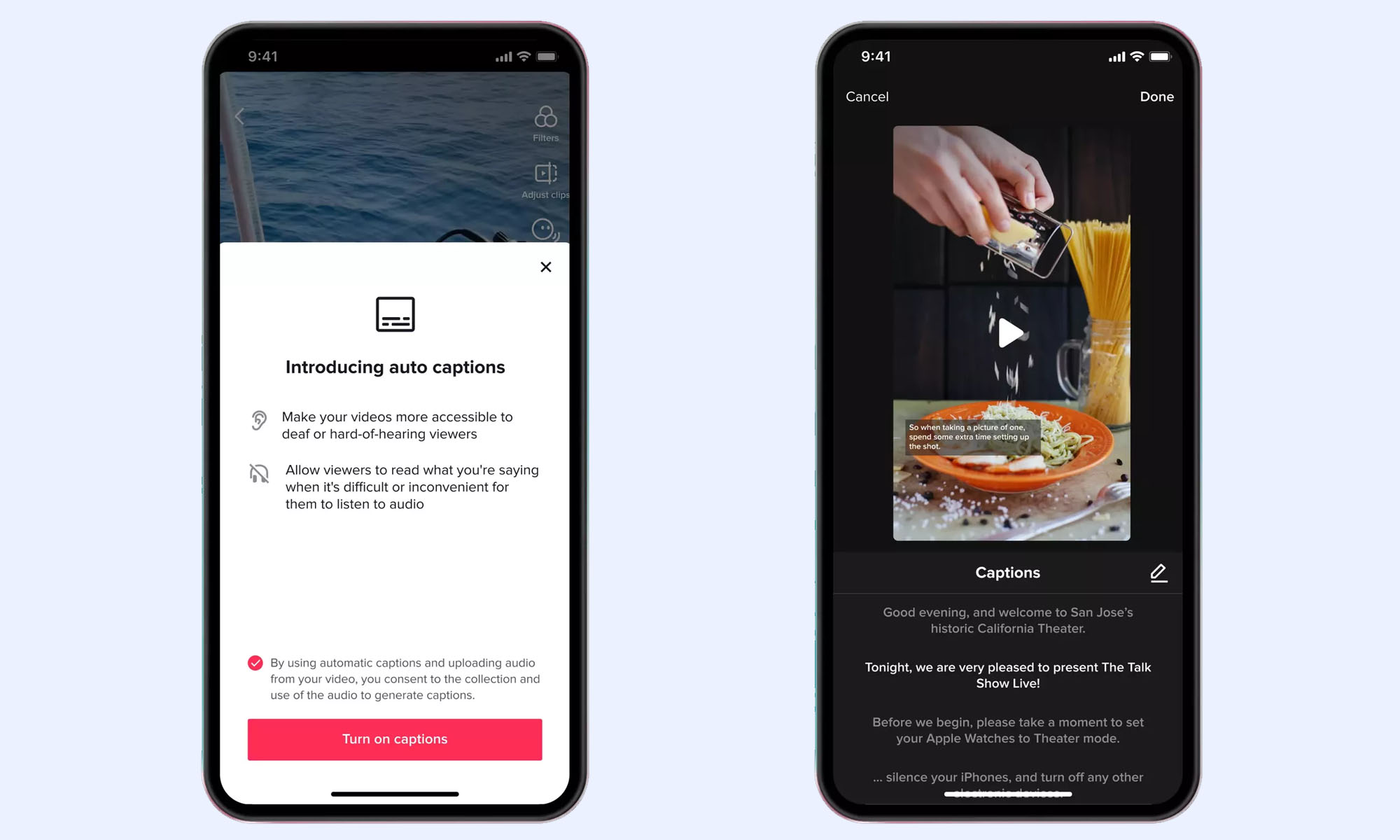
Over the years, TikTok has launched a number of accessibility features to make its video-sharing social networking service more accessible, including options to skip photosensitive content and convert text to voice. Now, TikTok is launching one of its most-requested features: TikTok auto captions. Aimed primarily at deaf or hard of hearing users, the automatic captions feature can automatically generate subtitles for videos with a simple tap on the corresponding option in the editing page.
In addition to people with a hearing disability, automatic captions can also help users who don’t suffer from any hearing impairment enjoy TikTok content better in situations when turning up the volume isn’t an option.
“Inclusivity is important because when people feel included, they’re more comfortable expressing themselves and engaging with their community,” states Stephanie Hind, the Creator Management and Operations of Top Creators and Public Figures at TikTok. “We’re committed to fostering an inclusive app environment, and that means building products and tools that support our diverse community.”
Turning On TikTok Auto Captions As A Viewer
To turn on TikTok auto captions as a viewer, all you need to do is:
- Click the share icon and look for a captions option on the bottom row.
- Next, click the captions option to activate autogenerated captions or switch between available languages.
At the moment, the feature is available only in American English and Japanese, but support for additional languages is planned for the near future.
TikTok
TikTok auto captions can be enabled only on videos whose creators have manually activated the feature. Here’s how that works from the creator’s point of view:
- The creator records a video and moves to the editing page.
- There, the creator taps the captions button on the right side and turns on automatic captions, allowing viewers to enable them when watching the video.
Also Read: Netflix Introduces “Play Something” Shuffle Feature
TikTok isn’t the only video-sharing social networking service with support for automatic transcriptions of speech to text. Instagram, YouTube, and Facebook also have similar features. Prior to the most recent update, TikTokers relied on manually added text overlays and the “Siri” text to speech feature as workarounds.




News
Microsoft Plans $10 Billion-Plus Gulf Expansion Despite Iran Conflict
Security is shaping Microsoft’s approach, from resilience work with governments to what it will say about how the money splits by country.

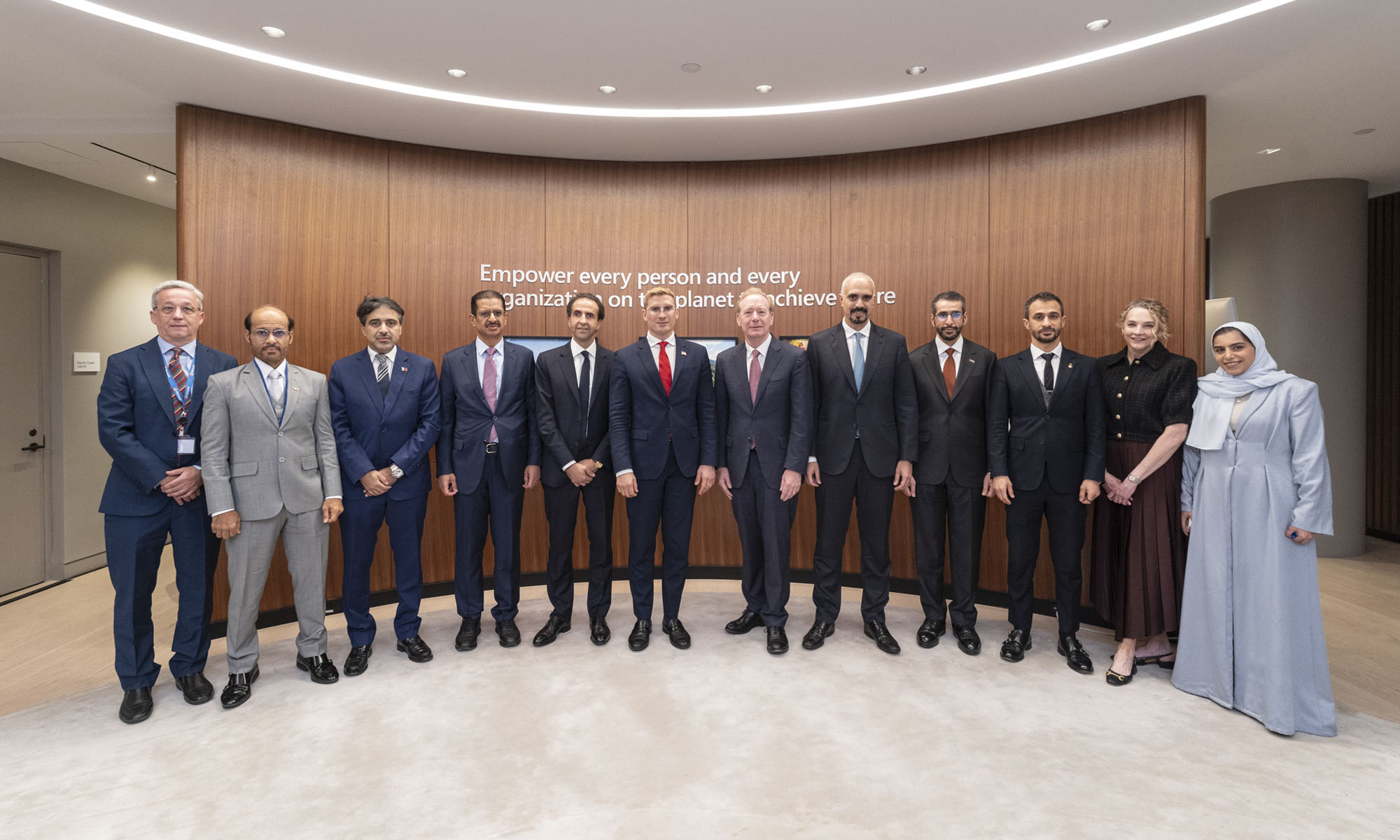
Microsoft is planning more than $10 billion of investment across the UAE, Saudi Arabia, Qatar and Kuwait through 2030, Vice Chair and President Brad Smith told Reuters, calling the spending schedule aggressive. The Iranian conflict that began on February 28 has not persuaded the company to scale back.
“We’re sustaining all the investments we planned to make before this conflict started, and we are in fact adding to them,” Smith said. The $10 billion-plus total does not, however, show how large those additions are.
The investment, which Smith described as part of Microsoft’s continued infrastructure expansion, is aimed at cloud and AI infrastructure and at the company’s growing regional operations. Microsoft also intends to put more than $400 million into subsea and terrestrial connectivity across the Middle East by 2030.
The spending fits the region’s own ambitions too. Gulf governments have been investing heavily in AI infrastructure as part of a push to diversify their economies beyond oil and gas and turn themselves into global technology hubs. Major cloud and AI providers have been drawn in part by the land and relatively low-cost energy on offer.
Microsoft is widening its partnerships with regional AI companies, though not on identical terms. In 2024, it invested $1.5 billion in Abu Dhabi-based G42 for a minority stake, and Smith currently sits on G42’s board. Saudi Arabia’s Humain and Qatar’s Qai are working with Microsoft on selected priority areas, but Smith said the company does not plan to make capital investments in either.
Also Read: Egypt’s Mobile Wallets Are Booming, But Cash Still Has Power
The conflict has added another strand to Microsoft’s work in the region. Since it began, Smith said, the company has supported regional partners with digital resilience assessments, and it is now working with Gulf countries through a digital resilience initiative focused on preparedness and the protection of critical data.
So far, the company has given no country-by-country breakdown of the investment, citing security among other factors. So while the headline figure is public, how Microsoft divides the spending among the four countries is not.

Microsoft Plans $10 Billion-Plus Gulf Expansion Despite Iran Conflict

In Kuwait, Your Surgeon Might Be Operating From Another Country

Qatar Folds 45 State Companies Into A Single Investment Platform

Trip.com Is Betting An AI Agent Will Book Your Next Vacation

Meta’s New $499 Plan Puts A Price On Reaching A Real Person

Apple’s First Folding iPhone Arrives Late To A Shrinking Market
Trip.com Is Betting An AI Agent Will Book Your Next Vacation

Egypt’s Mobile Wallets Are Booming, But Cash Still Has Power

OKX Bets Streaming Perks Can Take Crypto Mainstream Across MENA

Musk’s Boring Company Wants To Dig 150 KM Of Tunnel Under The UAE


-
 News3 weeks ago
Apple’s First Folding iPhone Arrives Late To A Shrinking Market
-
 News2 weeks ago
Trip.com Is Betting An AI Agent Will Book Your Next Vacation
-
 News2 weeks ago
Egypt’s Mobile Wallets Are Booming, But Cash Still Has Power
-
 News2 weeks ago
OKX Bets Streaming Perks Can Take Crypto Mainstream Across MENA