News
Meet Yango Play’s My Vibe: A Real-Time Personalized Music Stream
The entertainment super app now boasts a unique feature that adapts to user music preferences during listening.

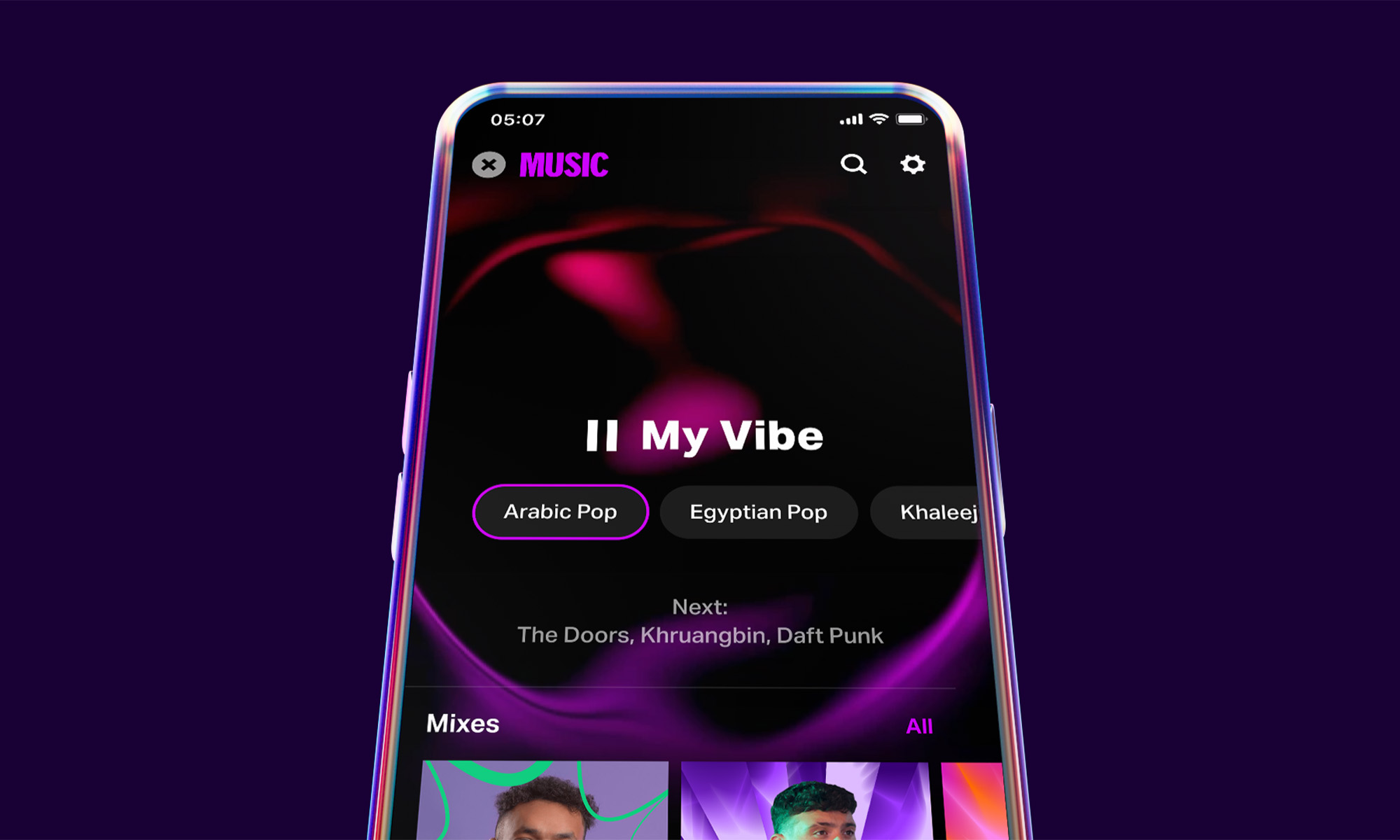
Yango Play, the AI-driven super app combining video streaming, music, and games, has introduced a feature in its music section known as My Vibe. The new playlist tool dynamically adapts to a listener’s song choices in real time, identifying changing preferences and mood shifts immediately.
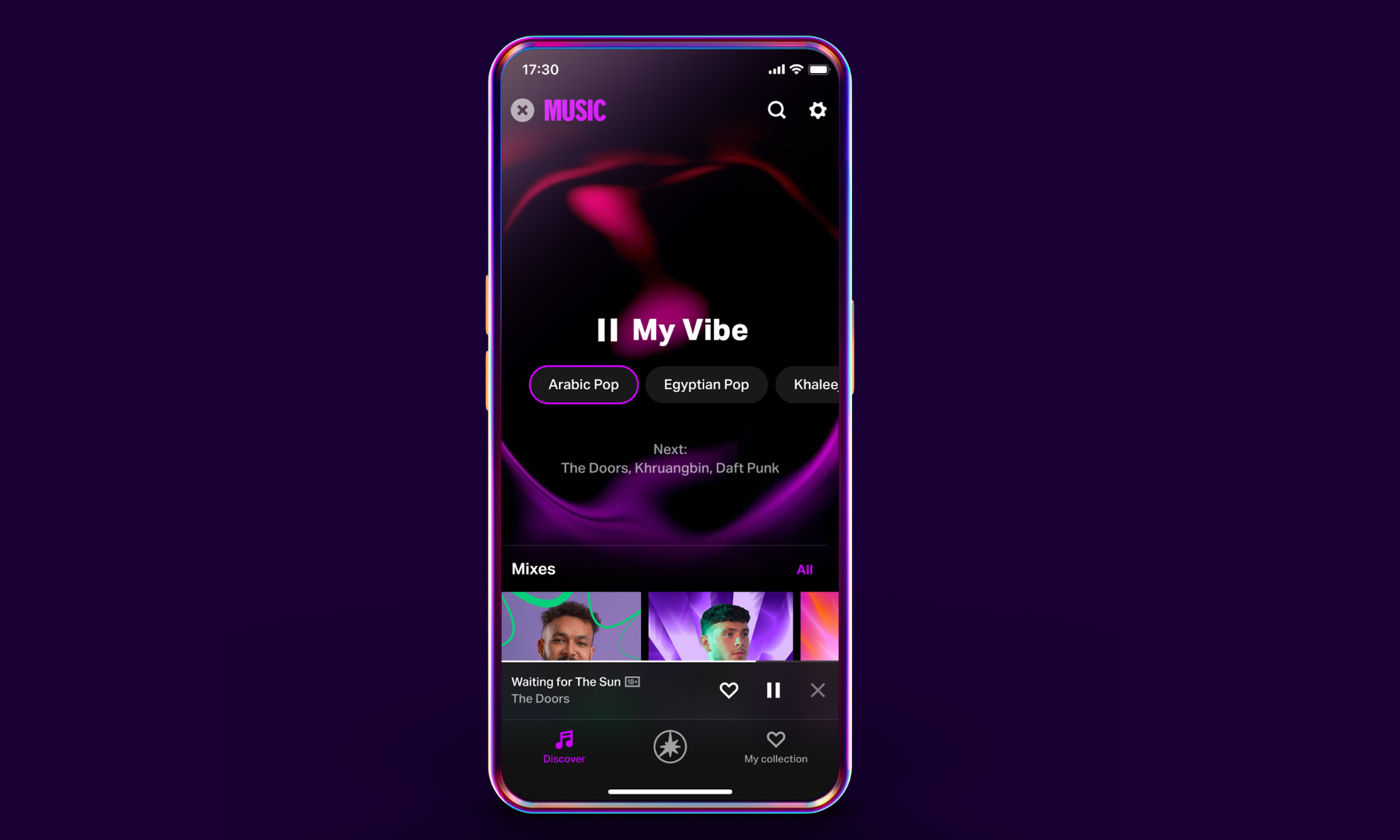
My Vibe works by harnessing an advanced AI algorithm that analyzes over a thousand variables about a user’s behavior and the content. The result is a potentially endless stream of curated tracks, artists, and genres that align perfectly with a user’s preferences, mood, and historical song choices. The new feature can identify when a track is skipped or not completed and continually refines the listening experience in real time.

Roman Shimansky, Yango’s MENA Region Business Director, explained the benefits of the new feature: “My Vibe excels at sparking a range of emotions, providing that delightful surprise when you encounter a track for the first time and instantly know you’ll love it. With My Vibe, there’s no need to toggle between your favorite tunes and new tracks or waste time choosing playlists. Everything you need is accessible with just one touch”.
Also Read: Best Music Streaming Services In The Middle East
My Vibe uses neural models to understand the evolving musical interests of its users. The sophisticated tool studies track, analyzing their spectrograms, frequency ranges, rhythm, vocal tone, and much more. With all that information in place, the algorithm then searches for tracks with similar parameters, suggesting them to listeners based on likes, dislikes, and even other users with similar tastes.
Since being released in the MENA region in February, the Yango Play app has proved popular across the region. The service boasts music for every mood and genre imaginable and streams the latest Arabic and Khaleeji hits in expertly curated playlists, helping users discover rising local talent across genres.






News
Microsoft Plans $10 Billion-Plus Gulf Expansion Despite Iran Conflict
Security is shaping Microsoft’s approach, from resilience work with governments to what it will say about how the money splits by country.
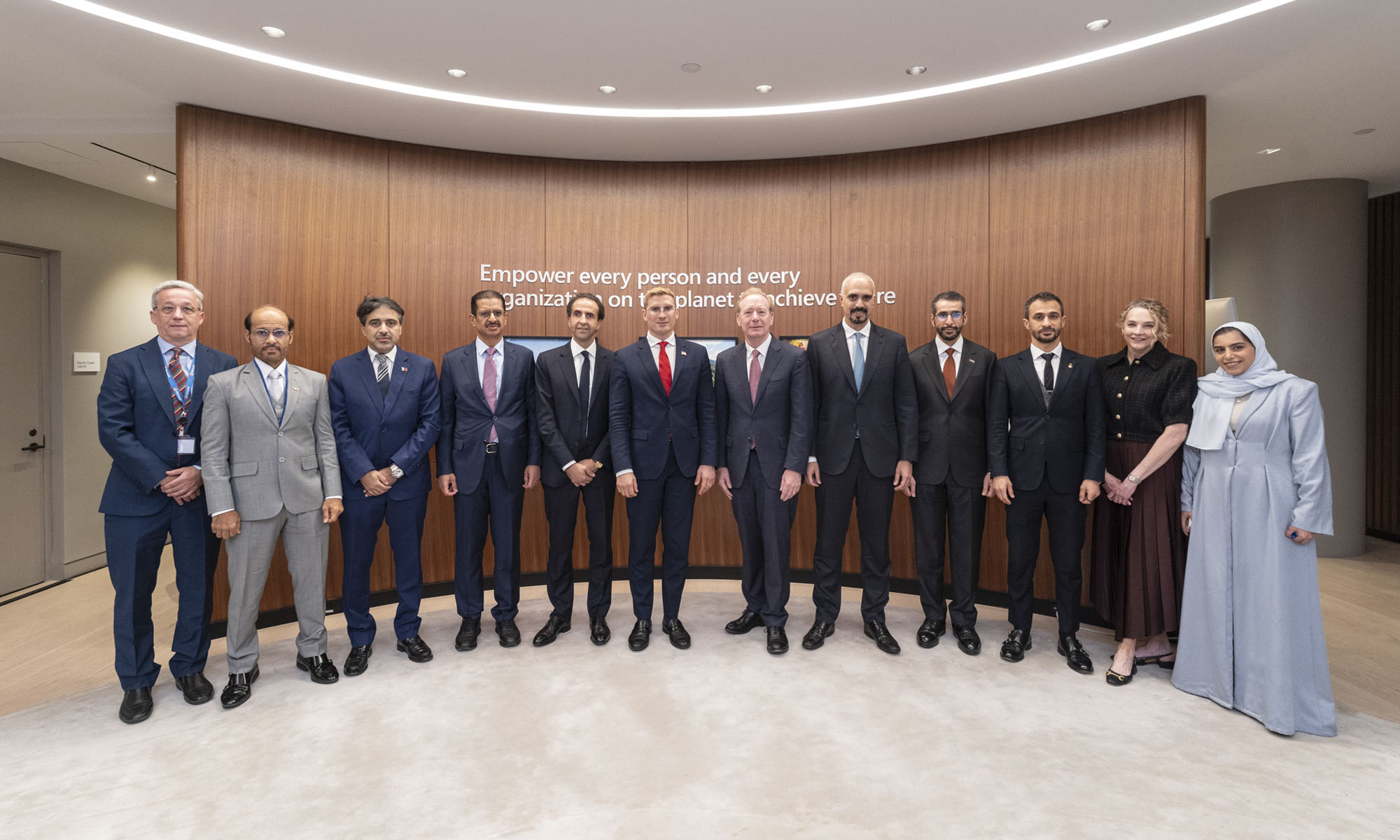
Microsoft is planning more than $10 billion of investment across the UAE, Saudi Arabia, Qatar and Kuwait through 2030, Vice Chair and President Brad Smith told Reuters, calling the spending schedule aggressive. The Iranian conflict that began on February 28 has not persuaded the company to scale back.
“We’re sustaining all the investments we planned to make before this conflict started, and we are in fact adding to them,” Smith said. The $10 billion-plus total does not, however, show how large those additions are.
The investment, which Smith described as part of Microsoft’s continued infrastructure expansion, is aimed at cloud and AI infrastructure and at the company’s growing regional operations. Microsoft also intends to put more than $400 million into subsea and terrestrial connectivity across the Middle East by 2030.
The spending fits the region’s own ambitions too. Gulf governments have been investing heavily in AI infrastructure as part of a push to diversify their economies beyond oil and gas and turn themselves into global technology hubs. Major cloud and AI providers have been drawn in part by the land and relatively low-cost energy on offer.
Microsoft is widening its partnerships with regional AI companies, though not on identical terms. In 2024, it invested $1.5 billion in Abu Dhabi-based G42 for a minority stake, and Smith currently sits on G42’s board. Saudi Arabia’s Humain and Qatar’s Qai are working with Microsoft on selected priority areas, but Smith said the company does not plan to make capital investments in either.
Also Read: Egypt’s Mobile Wallets Are Booming, But Cash Still Has Power
The conflict has added another strand to Microsoft’s work in the region. Since it began, Smith said, the company has supported regional partners with digital resilience assessments, and it is now working with Gulf countries through a digital resilience initiative focused on preparedness and the protection of critical data.
So far, the company has given no country-by-country breakdown of the investment, citing security among other factors. So while the headline figure is public, how Microsoft divides the spending among the four countries is not.

Microsoft Plans $10 Billion-Plus Gulf Expansion Despite Iran Conflict

In Kuwait, Your Surgeon Might Be Operating From Another Country

Qatar Folds 45 State Companies Into A Single Investment Platform

Trip.com Is Betting An AI Agent Will Book Your Next Vacation

Meta’s New $499 Plan Puts A Price On Reaching A Real Person

Visa’s Return To Syria Starts With A Test And A Bank In Lebanon

Apple’s Latest Product Releases Make The Headlines

Apple’s First Folding iPhone Arrives Late To A Shrinking Market
Trip.com Is Betting An AI Agent Will Book Your Next Vacation