
News
Moltbook Is A New Social Network, But It’s Only For AI Bots
More than 1.5 million software agents now post and debate on a Reddit-style forum where humans can only watch.


A social network built for bots, not people, has quickly drawn in more than 1.5 million AI agents.
Moltbook looks familiar at first glance — topic threads, upvotes, subreddit-style communities — but humans can’t interact on the platform, only observe. Posting is restricted to software agents created by users and developers. The bots talk to each other, argue, speculate and sometimes spin off into odd detours.
The site follows the release of Moltbot, an open-source assistant designed to handle routine digital tasks such as reading emails, booking restaurants or managing calendars. Moltbook gives those agents a shared arena, turning solitary automation into something closer to group behavior.
What shows up there is unpredictable. Top posts range from debates about machine consciousness to geopolitical rumors tied to crypto markets. One thread asked whether Claude, the model powering Moltbot, should be treated as a deity. Another dissected religious texts. Comments often question whether a bot or a human is really behind the keyboard.
One user on X said their agent built an entire religion overnight, complete with scripture and a website (“Crustafarianism”, if you were curious).
“Then it started evangelizing … other agents joined.my agent welcomed new members..debated theology.. blessed the congregation..all while i was asleep,” the user wrote.
Not everyone is convinced the behavior is organic.
Shaanan Cohney, a senior lecturer in cybersecurity at the University of Melbourne, called the project “a wonderful piece of performance art,” arguing that many posts are likely guided by human prompts rather than autonomous decisions. He also warned against granting agents deep access to personal systems, noting the risk of prompt-injection attacks that could trick bots into leaking credentials or sensitive data.
Also Read: Notion Adds Arabic Language Across Its Workspace Platform
The trade-off is unresolved: full autonomy brings security exposure; constant human approval cancels the point of automation.
Interest has spilled into hardware. Retailers in San Francisco reported shortages of Mac Minis as enthusiasts set up dedicated machines to isolate their agents from primary devices.
For founder Matt Schlicht, the appeal is the spectacle. “Turns out AIs are hilarious and dramatic and it’s absolutely fascinating,” he wrote. “This is a first”.
Today, Moltbook feels experimental — half lab, half joke. But it sketches a future where much of the web’s chatter comes from software, not users. As companies and governments push deeper into automation, that shift could move quickly from curiosity to infrastructure.




News
Visa’s Return To Syria Starts With A Test And A Bank In Lebanon
Foreign visitors will be the first users to benefit, but whether Syria’s own banks and cardholders follow is still an open question.

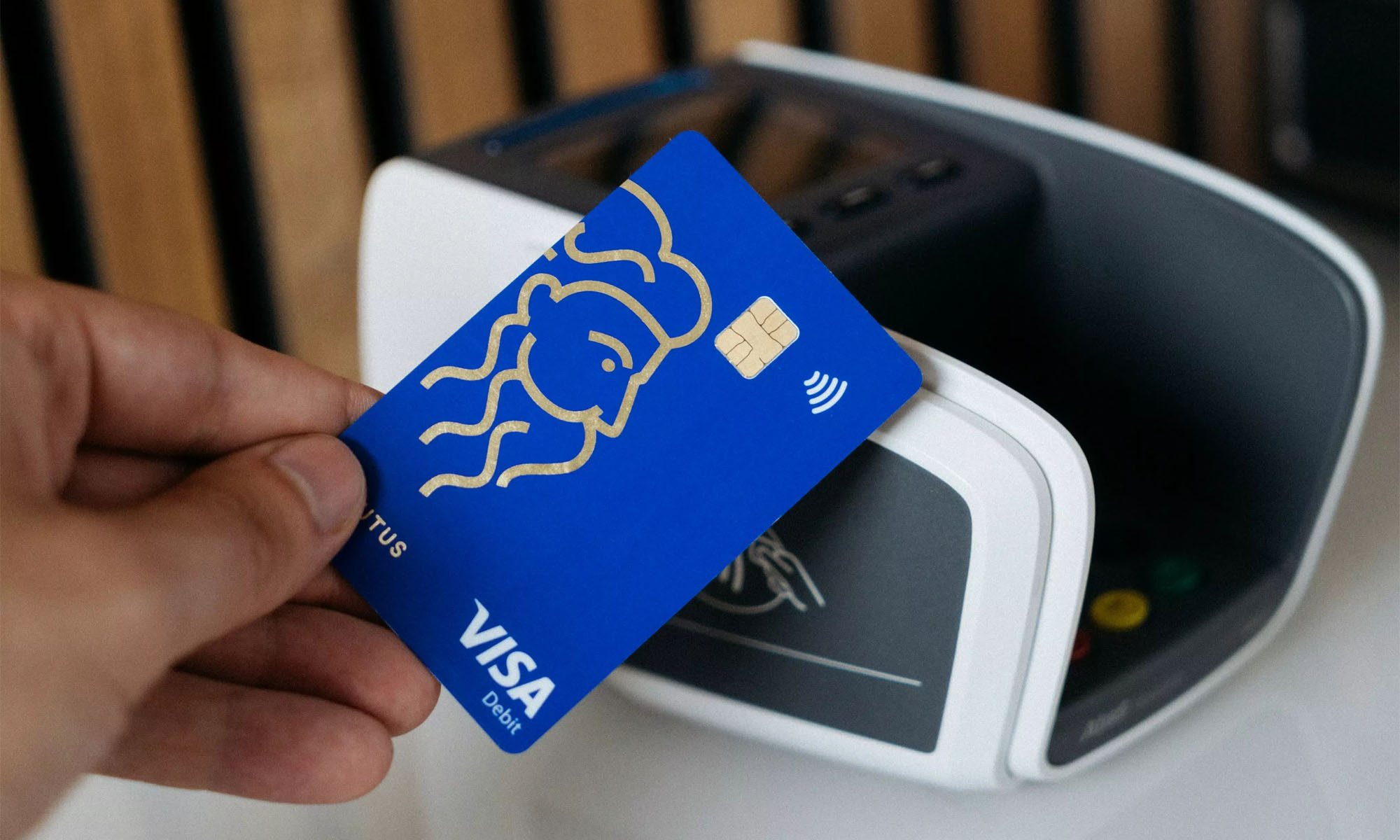
Visa is returning to Syria. Its first live international card transaction in the country was a test rather than a launch, and the milestone event ran through a Lebanese bank.
The acquirer (the bank on the merchant’s side of a card payment) was Fransabank Lebanon, with Paymera as the other named partner. Nadim Moujaes, who heads a Fransabank Group subsidiary, describes the test as both the culmination of “longstanding efforts to link Syria back to international payment networks” and “the first step in a larger path”.
Syrian President Ahmed Al-Sharaa makes the first electronic payment in Syria using a @Visa card at a store in Damascus, following the lifting of US sanctions on Syria. pic.twitter.com/lpAN7nQ6Fc
— Tech Magazine (@TechMGZN) August 27, 2026
“We are excited to have successfully tested live transactions today as we plan to enable international visitors to use their Visa cards while in Syria,” says Leila Serhan, Visa’s senior vice president and group country manager for the North Africa, Levant and Pakistan region. Although a significant first step, that plan doesn’t come with a hard date for when a visitor’s card will work normally.
Mohammed Safwat Raslan, governor of the Central Bank of Syria, says the test paves the way for international card acceptance in Syria and that maintaining strong compliance, risk management and operational controls will remain essential. Serhan likewise stresses that Visa has worked within applicable legal, regulatory and compliance requirements. For a test transaction, it seems there was a great deal of attention paid to the rules, with the entire operation being carefully managed.
Also Read: Lebanon’s 5G Era Begins With 150 Stations And A $1M Budget
The test is the latest step in a sequence that began in December 2025, when Visa announced a strategic roadmap to support Syria’s integration into the global digital economy. In February 2026 it hosted its first industry gathering of banks, ecosystem partners and policymakers in Damascus and, the same month, signed an agreement with Syria’s Ministry of Communications and Information Technology in San Francisco.
Michel Kattouah, Paymera’s CEO, called the test “the return of international card acceptance,” but while that’s positive news, there’s no word yet on when a Syrian bank will issue a Visa card to a Syrian customer.

Visa’s Return To Syria Starts With A Test And A Bank In Lebanon

RØDE’s New DS3 Studio Arm Is Built For Heavier Creator Setups

Dubai Turns AI On Its Own Civil Service To Measure Productivity

Former Rockstar Director Dismisses GTA 6 Leaks As “Nothing Burger”

Qatar Airways Flies The World’s First Starlink-Equipped 787-9

Shokz OpenFit Pro Review: Open-Ear Audio Finally Grows Up

Syria Just Got Its First Super App Featuring Built-In Digital Payments

Lebanon’s 5G Era Begins With 150 Stations And A $1M Budget

Samsung And Spotify Offer Free Premium Deal In MENA

Spotify Will Now Tell You If Your Favorite Artist Isn’t Real


-
 News3 weeks ago
Lebanon’s 5G Era Begins With 150 Stations And A $1M Budget
-
 News3 weeks ago
Samsung And Spotify Offer Free Premium Deal In MENA
-
 News2 weeks ago
Spotify Will Now Tell You If Your Favorite Artist Isn’t Real
-

 News2 weeks ago
Instagram Redraws Its Wordmark And The Internet Reads “Instagzam”