
News
YallaHub Teams Up With Lapochka For Future UAE Expansion
The quick-commerce as a service platform will allow the drink producer to distribute its revolutionary AI-generated lemonade in new UAE markets.

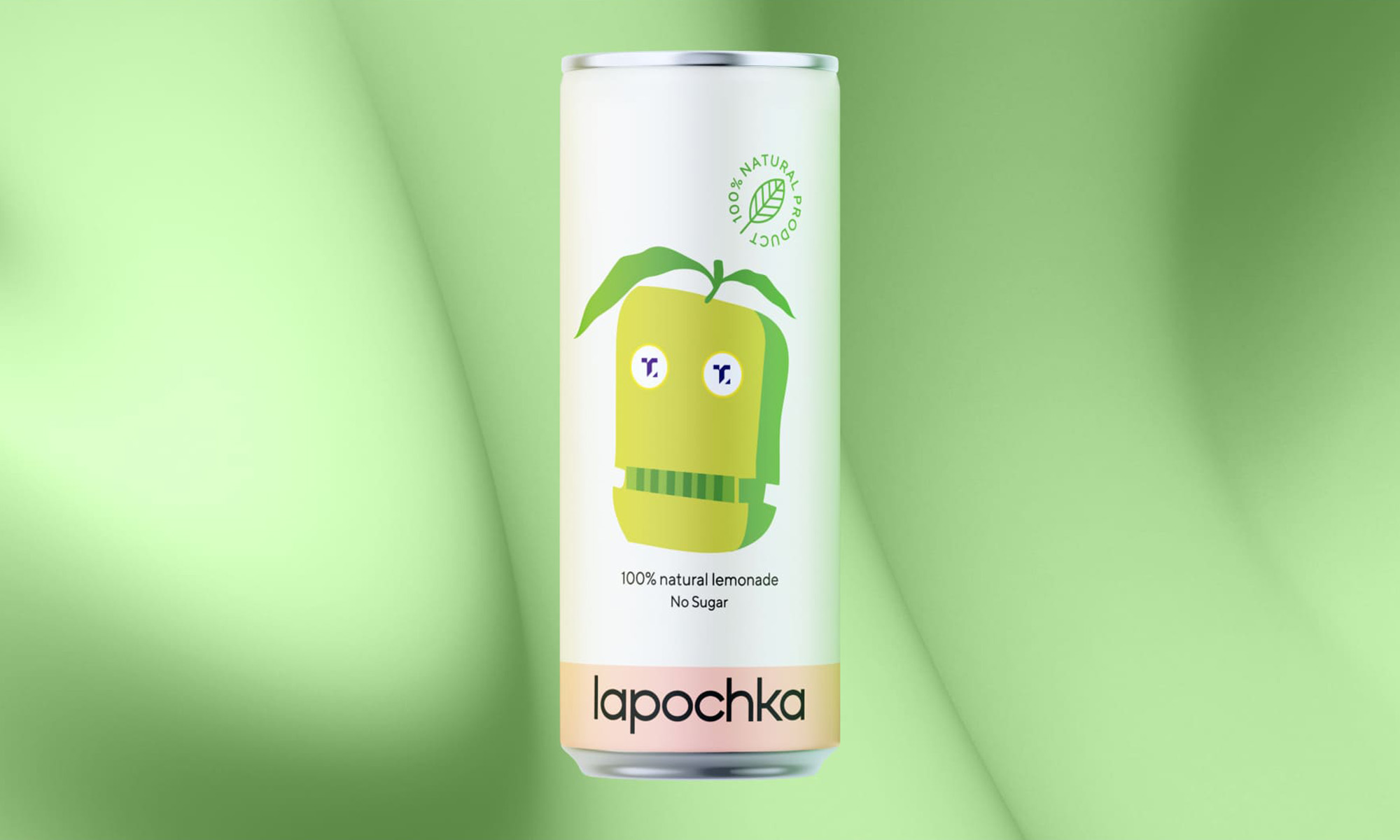
YallaHub, a leading “quick-commerce as a service” (QAAS) platform, has partnered with drinks producer Lapochka to add artificial intelligence to its product development and aid plans for UAE expansion. The partnership will utilize YallaHub’s full suite of services, including fulfillment, logistics, payment gateway integration, customer support, and last-mile delivery.
Lapochka recently hit the headlines after launching a groundbreaking AI-generated lemonade. The company’s beverage makers used a neural network to analyze consumer preferences, sales data, and reviews to craft the perfect soft drink recipe. The resulting concoction sticks to the brand’s commitment to natural ingredients and features an eye-catching “robot apple” design concept.
“We are constantly seeking methods to surprise and delight our customers with unique and innovative products,” explained Lapochka CEO Anton Balyklov. “This AI-created beverage allows us to introduce consumers of all ages to the latest technologies in a fun and delicious way. Partnering with YallaHub empowers us to potentially expand our reach and share this exciting innovation with a wider audience in the MENA region”.
Also Read: Lebanese Newspaper Builds AI President To Beat Political Crisis
The partnership between YallaHub and Lapochka aims to push the boundaries of the beverage industry. With a strong focus on natural ingredients and refreshing taste, the new AI-designed beverage should also be a perfect fit for the booming UAE drinks market — projected to hit $23.2 billion in value by 2025.
By combining Lapochka’s new-found expertise in AI-driven product development with YallaHub’s established MENA presence, the collaboration could potentially revolutionize consumer experience across the region. By the end of 2024, Lapochka plans to establish itself in several major UAE marketplaces, hoping to achieve sales of over 100,000 cans per year.





News
Ooredoo Qatar’s 5G+ Network Is Built For Machines As Much As People
Built on 5G Standalone and 5G Advanced, the upgrade lays the groundwork for Qatar’s 2030 digital ambitions.


Ooredoo Qatar has launched what it calls the country’s first 5G+ mobile network. Customers get faster connections, but much of what the operator is promising is aimed at machines.
5G+ isn’t a new generation of mobile technology so much as a layering of upgrades, building on 5G Standalone and 5G Advanced. The result is the familiar trio of higher speeds, greater capacity and lower latency.
For consumers, Ooredoo promises smoother streaming, more responsive gaming and steadier connections on the move. The service is commercially available through mobile broadband in 5G+ coverage areas, and the operator is aiming it at campers during the camping season. The network has been deployed at locations across Qatar, but the announcement doesn’t name them, say whether smartphone plans are included or put figures on the speed and latency gains.
The business case is more detailed: Greater capacity lets more devices connect and exchange data efficiently, while shorter response times support real-time equipment monitoring and automated processes. Network slicing tailors connectivity to specific uses, and 5G Advanced combined with edge computing targets mission-critical applications that require rapid responses. Expanded IoT capabilities cover industrial sensors, asset trackers and utility meters, the building blocks for automation and future smart city services. The company also cites AI-enabled services and complex digital workloads.
Also Read: WHOOP Goes Arabic, Betting On The Gulf’s Appetite For Health Data
“With the 5G+ network, we are enhancing everyday digital experiences for our consumers, enabling innovation, and strengthening the competitiveness of businesses across the country,” said Sheikh Ali bin Jabor bin Mohammad Al Thani, chief executive officer of Ooredoo Qatar.
“From launching the world’s first 5G network in 2018 to deploying Qatar’s first 5G Standalone core network, we have consistently advanced connectivity,” he added.
Ooredoo ties the rollout to Qatar National Vision 2030 and the Digital Agenda 2030, framing it as part of the country’s effort to strengthen its position as a leading regional digital hub. For that ambition, the devices that matter most may be the ones without screens.

Shokz OpenDots 2 Review: Clip-On Audio Gets A Bass-Heavy Makeover

Ooredoo Qatar’s 5G+ Network Is Built For Machines As Much As People

G42’s Inception42 Wants AI To Show Its Work Before Investors Commit

WHOOP Goes Arabic, Betting On The Gulf’s Appetite For Health Data

New Disney+ Streaming App Has Officially Launched In The UAE

In Kuwait, Your Surgeon Might Be Operating From Another Country

Microsoft Plans $10 Billion-Plus Gulf Expansion Despite Iran Conflict

Qatar Folds 45 State Companies Into A Single Investment Platform

NEOPAY Wants To Follow Merchants Across Channels And Borders

RØDE’s Low-Profile Studio Arm Is Designed To Stay Out Of Shot


-
 News3 weeks ago
In Kuwait, Your Surgeon Might Be Operating From Another Country
-
 News3 weeks ago
Microsoft Plans $10 Billion-Plus Gulf Expansion Despite Iran Conflict
-
 News4 weeks ago
Qatar Folds 45 State Companies Into A Single Investment Platform
-
 News2 weeks ago
NEOPAY Wants To Follow Merchants Across Channels And Borders