
News
6 Automation Tools Transforming Middle Eastern Businesses
From finance to HR, automation is helping companies in the region cut costs, reduce risk, and focus on smarter, higher-value work.


As growth accelerates across the Middle East, businesses are under pressure to run leaner, faster, and smarter. In the UAE alone, 64% of companies plan to increase their automation budgets in 2025, targeting finance, HR, and customer support in particular. With that momentum building, here are six automation tools already reshaping how regional companies operate.
Spend Management
Spend management platforms are replacing manual expense workflows with real-time control. Tools like Qashio automate approvals, issue custom corporate cards, and integrate directly with ERP systems — giving companies visibility into spend patterns and reducing fraud and delays. Travel businesses using Qashio for Travel, for example, have cut FX losses and streamlined reconciliation. Even smaller teams benefit from built-in rewards like air miles and hotel points.
HR Automation
HR automation platforms are potentially reducing thousands of errors and freeing up time. From applicant tracking to payroll, these systems replace repetitive admin with centralized dashboards for leave, benefits, tax documents, and onboarding. The result is lower compliance risk and more time for strategic HR initiatives like retention and workplace culture.
Marketing
Marketing teams are also scaling faster with automation. Tools now handle email targeting, social scheduling, lead scoring, and cross-channel analytics — creating smarter, data-driven campaigns without manual effort. Rather than chasing clicks, teams can focus on high-converting journeys, backed by real user behavior.
Customer Support
Customer support automation is another game-changer. As demand rises, chatbots, smart ticketing, and real-time translation help resolve basic queries instantly. A 2025 survey by Zendesk found 90% of C-level execs expect most customer issues to be handled without human agents in the near future. These platforms improve satisfaction while reducing overhead, keeping teams lean without compromising service.
Project Management
Project management tools are bringing structure to distributed teams. They offer live updates, task tracking, and performance insights in one place — helping managers spot delays early, keep teams accountable, and maintain transparency with stakeholders. As businesses scale, automated coordination becomes essential.
Procurement
Procurement automation is tackling one of the most overlooked inefficiencies. These systems digitize purchase requests, approvals, vendor management, and invoice tracking, often with real-time budget controls and ERP sync. The result is faster cycles, better compliance, and stronger supplier relationships.
With automation gaining traction across every core function, Middle East businesses are entering a new operational era. CEOs know what’s at stake: 60% say they’ll need to evolve significantly over the next decade to stay competitive. For many, that evolution has already begun.

News
Visa’s Return To Syria Starts With A Test And A Bank In Lebanon
Foreign visitors will be the first users to benefit, but whether Syria’s own banks and cardholders follow is still an open question.

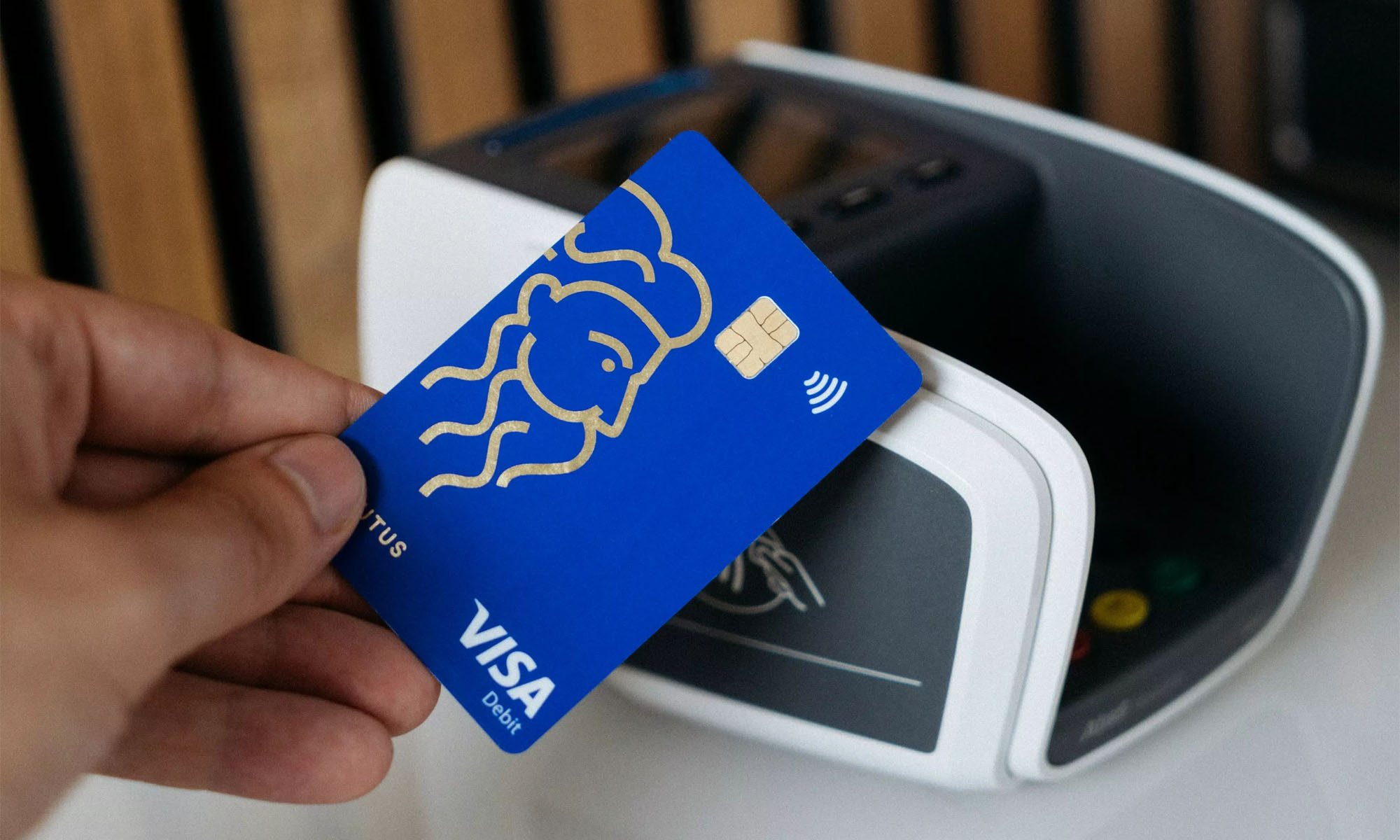
Visa is returning to Syria. Its first live international card transaction in the country was a test rather than a launch, and the milestone event ran through a Lebanese bank.
The acquirer (the bank on the merchant’s side of a card payment) was Fransabank Lebanon, with Paymera as the other named partner. Nadim Moujaes, who heads a Fransabank Group subsidiary, describes the test as both the culmination of “longstanding efforts to link Syria back to international payment networks” and “the first step in a larger path”.
Syrian President Ahmed Al-Sharaa makes the first electronic payment in Syria using a @Visa card at a store in Damascus, following the lifting of US sanctions on Syria. pic.twitter.com/lpAN7nQ6Fc
— Tech Magazine (@TechMGZN) August 27, 2026
“We are excited to have successfully tested live transactions today as we plan to enable international visitors to use their Visa cards while in Syria,” says Leila Serhan, Visa’s senior vice president and group country manager for the North Africa, Levant and Pakistan region. Although a significant first step, that plan doesn’t come with a hard date for when a visitor’s card will work normally.
Mohammed Safwat Raslan, governor of the Central Bank of Syria, says the test paves the way for international card acceptance in Syria and that maintaining strong compliance, risk management and operational controls will remain essential. Serhan likewise stresses that Visa has worked within applicable legal, regulatory and compliance requirements. For a test transaction, it seems there was a great deal of attention paid to the rules, with the entire operation being carefully managed.
Also Read: Lebanon’s 5G Era Begins With 150 Stations And A $1M Budget
The test is the latest step in a sequence that began in December 2025, when Visa announced a strategic roadmap to support Syria’s integration into the global digital economy. In February 2026 it hosted its first industry gathering of banks, ecosystem partners and policymakers in Damascus and, the same month, signed an agreement with Syria’s Ministry of Communications and Information Technology in San Francisco.
Michel Kattouah, Paymera’s CEO, called the test “the return of international card acceptance,” but while that’s positive news, there’s no word yet on when a Syrian bank will issue a Visa card to a Syrian customer.

Visa’s Return To Syria Starts With A Test And A Bank In Lebanon

RØDE’s New DS3 Studio Arm Is Built For Heavier Creator Setups

Dubai Turns AI On Its Own Civil Service To Measure Productivity

Former Rockstar Director Dismisses GTA 6 Leaks As “Nothing Burger”

Qatar Airways Flies The World’s First Starlink-Equipped 787-9

Spotify Will Now Tell You If Your Favorite Artist Isn’t Real

Instagram Redraws Its Wordmark And The Internet Reads “Instagzam”

Anghami’s New Elite Program Starts With A Three-Decade Catalog

Qatar Is Getting Its First EV Plant, Built To Cope With Gulf Heat

Dubai’s aradus Wants AI To Run The Back Office Of Physical Trade


-
 News3 weeks ago
Instagram Redraws Its Wordmark And The Internet Reads “Instagzam”
-
 News3 weeks ago
Anghami’s New Elite Program Starts With A Three-Decade Catalog
-
 News3 weeks ago
Qatar Is Getting Its First EV Plant, Built To Cope With Gulf Heat
-
 News3 weeks ago
Dubai’s aradus Wants AI To Run The Back Office Of Physical Trade