
News
AI-Powered Dark Web Monitoring Solutions Premier At GITEX 2021
MENA organizations are especially vulnerable because of their geopolitical position and importance to the world economy in several key industries.


The cybersecurity landscape has changed dramatically since the outbreak of the pandemic. Many organizations have embraced the hybrid work model as the new normal, allowing their employees to divide their work time between the office and home.
As a result, the traditional network perimeter has dissolved, leaving organizations more vulnerable to cyber threats, which are becoming not only more frequent but also more sophisticated. MENA organizations are especially vulnerable because of their geopolitical position and importance to the world economy in several key industries, such as the oil industry.
Recently, Los Angeles-based cybersecurity company Resecurity has introduced its Dark Web Monitoring and Threat Intelligence solutions at GITEX 2021, which took place at the Dubai World Trade Center, in the United Arab Emirates (UAE).
“Resecurity’s mission is to protect enterprises of any size, market vertical and in any geography,” said Ayman Alshobaki, Resecurity’s Business Development Manager for the MENA region. “Resecurity is excited to tap into the fantastic networking and innovative atmosphere at Gitex 2021, allowing us to build new business alliances and accelerate market presence and channel sales”.
Also Read: Japan Sets A New Internet Speed Record With 319 Terabits Per Second
The new solutions leverage big data analytics and artificial intelligence to provide visibility into the global threat landscape, helping organizations mitigate risks coming from the darkest corners of the internet, which are commonly referred to as the dark web.
The main defining feature of the dark web is the fact it’s completely invisible to most internet users because it can be accessed only using specialized software, such as Tor, which also provides anonymity, something cybercriminals value deeply.
Equipped with Resecurity’s Dark Web Monitoring solutions, organizations in the MENA region and the rest of the world are much less likely to suffer a costly data breach, whose average cost has reached $4.24 million per incident — the highest in the last 17 years.



News
Egypt’s Mobile Wallets Are Booming, But Cash Still Has Power
Egypt’s telecom regulator says $57.6 billion moved through more than 57 million wallets in six months. And one operator handled 77% of the value.

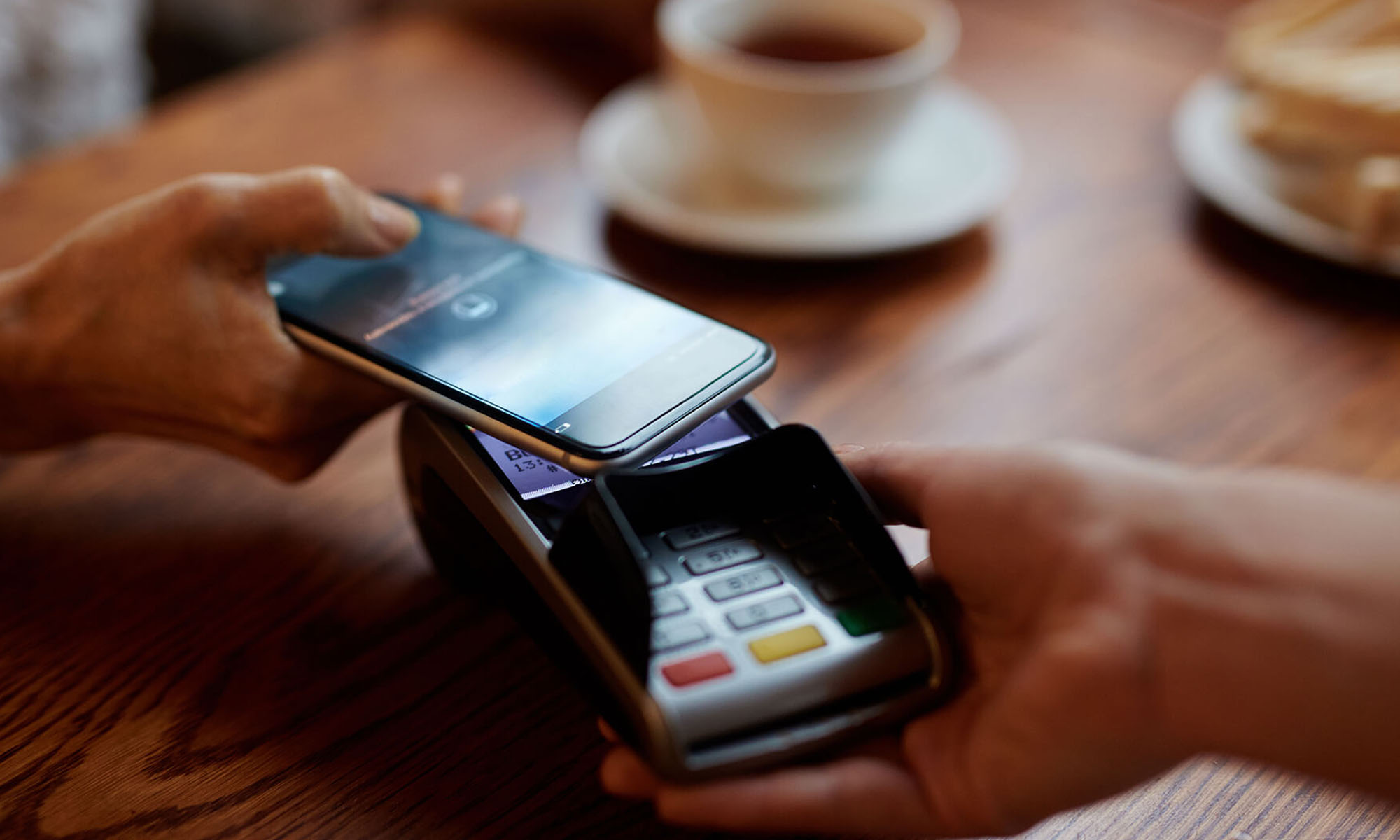
Egypt’s mobile wallets handled EGP 2.96 trillion ($57.6 billion) in transactions in the first half of 2026, according to the National Telecom Regulatory Authority – a 56% rise on the EGP 1.90 trillion ($36.9 billion) recorded a year earlier. Transactions grew faster still, up 62% to 2.22 billion, while registered wallets climbed 23% to 57.01 million.
On one reading, that is exactly what Egypt’s regulators have been pushing for: a payments system that runs through telecom-linked wallets rather than banknotes. But the same data shows how far cash still reaches into it. Cash withdrawals made up just 12% of the transactions taking money out of wallets, yet 75% of the value withdrawn or spent.
Money arrives mostly from bank accounts: transfers through InstaPay accounted for 78% of deposit transactions and 58% of the value deposited, while incoming remittances from abroad made up 3% of deposit transactions but 10% of their value. Once inside, it largely moves between wallets – wallet-to-wallet transfers accounted for 54% of all transactions and 67% of total value, with mobile and internet top-ups a distant second at 25% of volume. In effect, the wallet is serving as a transfer layer: the place money passes through between the bank account and the banknote.
That layer also runs predominantly through one operator. Vodafone Cash held 53% of registered wallets and 57% of active ones, but handled 69% of transactions and 77% of their value. Its nearest rival, e& money, held 23% of registered wallets but 14% of transaction value; Orange Cash 20% and 8%; WE Pay 4% of wallets. How many of the 57.01 million are active is not stated.
Also Read: Visa’s Return To Syria Starts With A Test And A Bank In Lebanon
Adoption is rather uneven in other respects. Men held 38 million wallets, or 67% of the total, against 19 million held by women. Users aged 26 to 45 accounted for half of all wallets, and Cairo alone had 10.6 million, or 19% of the national total, with Giza next at 6.5 million.
The NTRA says it is continuing to work with telecom operators on the regulatory framework for wallet services, part of a wider effort to expand electronic payments and financial inclusion. Its own figures show that effort succeeding on the way in. On the way out, three-quarters of the value still leaves as cash.

Egypt’s Mobile Wallets Are Booming, But Cash Still Has Power

Apple’s First Folding iPhone Arrives Late To A Shrinking Market

Apple’s Latest Product Releases Make The Headlines

Visa’s Return To Syria Starts With A Test And A Bank In Lebanon

RØDE’s New DS3 Studio Arm Is Built For Heavier Creator Setups

Anghami’s New Elite Program Starts With A Three-Decade Catalog

Dubai’s aradus Wants AI To Run The Back Office Of Physical Trade

Qatar Is Getting Its First EV Plant, Built To Cope With Gulf Heat

Qatar Airways Flies The World’s First Starlink-Equipped 787-9

Former Rockstar Director Dismisses GTA 6 Leaks As “Nothing Burger”


-
 News3 weeks ago
Former Rockstar Director Dismisses GTA 6 Leaks As “Nothing Burger”
-
 News3 weeks ago
RØDE’s New DS3 Studio Arm Is Built For Heavier Creator Setups
-

 News3 weeks ago
Dubai Turns AI On Its Own Civil Service To Measure Productivity
-
 News3 weeks ago
Visa’s Return To Syria Starts With A Test And A Bank In Lebanon