
News
Intro Platform Connects Users To Celebrity Experts
Intro is a new platform that allows users to book one-on-one video call consults with top-tier industry experts.


Founded by Los Angeles-based entrepreneur Raad Mobren, Intro is the latest platform that allows people to connect with celebrity experts across various fields. Mobren takes his inspiration for the platform from a chance meeting with Paul Orfalea, founder of the copy-chain Kinko’s. When Mobren was 18, he tapped Orfalea on the shoulder and asked if he could quiz the entrepreneur on his business success. Orfalea invited him to a 15-minute sit-down chat, which forever shaped Mobren’s future.
The idea of Intro might sound a little like Masterclass, where fans can receive masterclass tuition from their favorite artists or sports stars, or even Cameo, the platform that lets you order personalized video messages from famous personalities and Hollywood stars. Intro, however, has a different aim: to provide honest, actionable consultations from leading experts such as CEOs, sportspeople, businesspeople, and even interior designers.
“Intro breaks down walls and allows people from all across the world to easily have access to people who once seemed inaccessible. Our dream is that someone’s life will change because they got access to the person they admire, learned valuable information, and were inspired to make the world a better place,” says Raad Mobren, Cofounder & CEO
The platform has some heavyweight celeb backing in the form of Alexis Ohanian (a cofounder of Reddit), Andreessen Horowitz, CAA founder Michael Ovitz, and a growing network of highly accomplished stars. Joining the platform could see experts earning up to $500,000 annually, with a not inconsiderable 30% commission going to Intro.
Also Read: Yela Secures Over $2M To Connect Fans & Celebrities Via Video Messages
So how does the service work? Users either book a series of consulting calls, or simple one-off sessions of 15 minutes to an hour, with prices from $100 to $500. The service encompasses all genres, from entrepreneurial advice and help with business pitches to house remodeling and event planning.
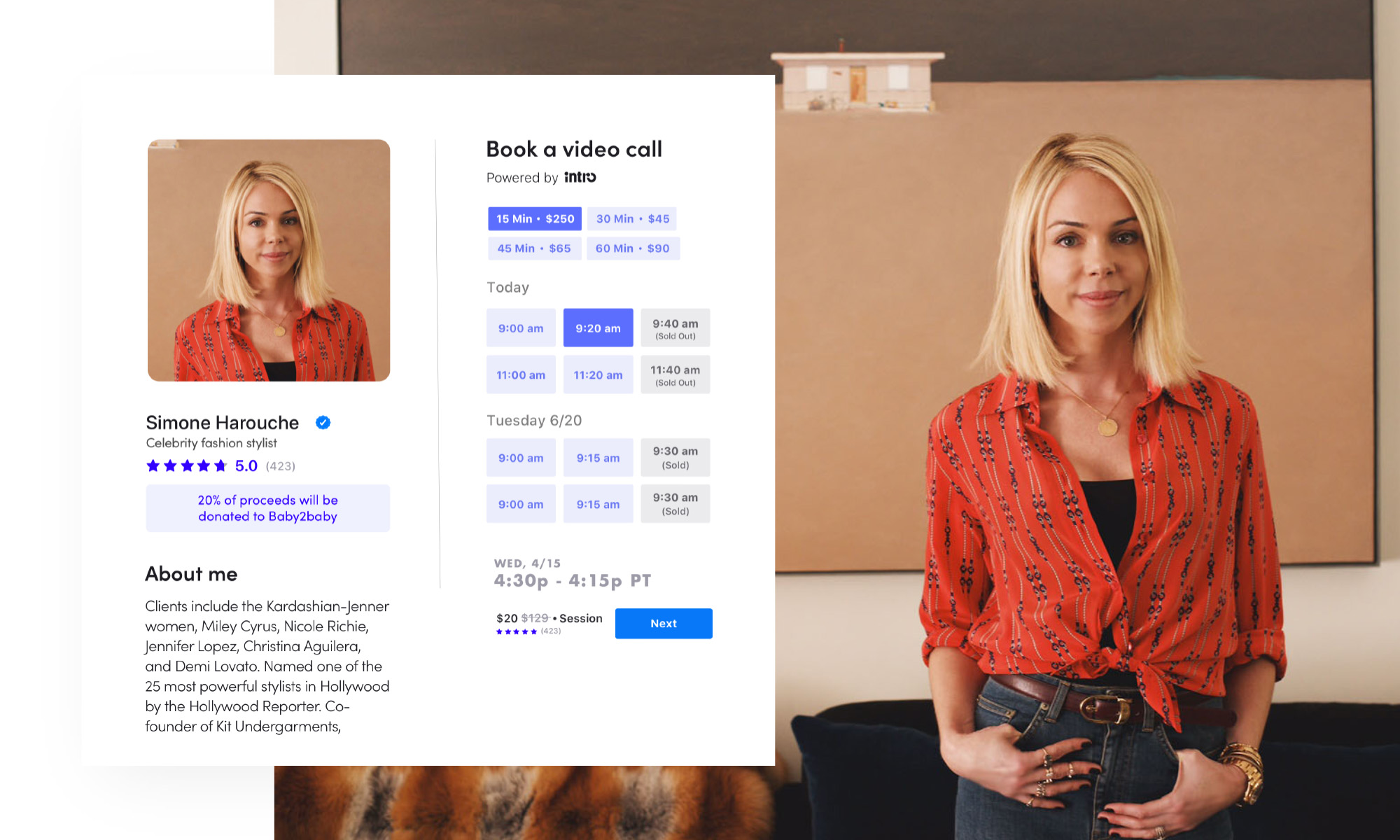
Intro’s experts don’t communicate further outside of the platform, and there’s no chat function or image sharing, so users need to take screenshots or make detailed notes. Still, Intro certainly sounds promising, especially if the makers can entice a decent-sized pool of talent to join the platform.



News
Abu Dhabi’s Robot Kitchen Is Serving Up Biryani, Not Burgers
Circus SE wants to put a tiny automated factory inside the buildings where Gulf residents live and work, bypassing part of last-mile delivery.
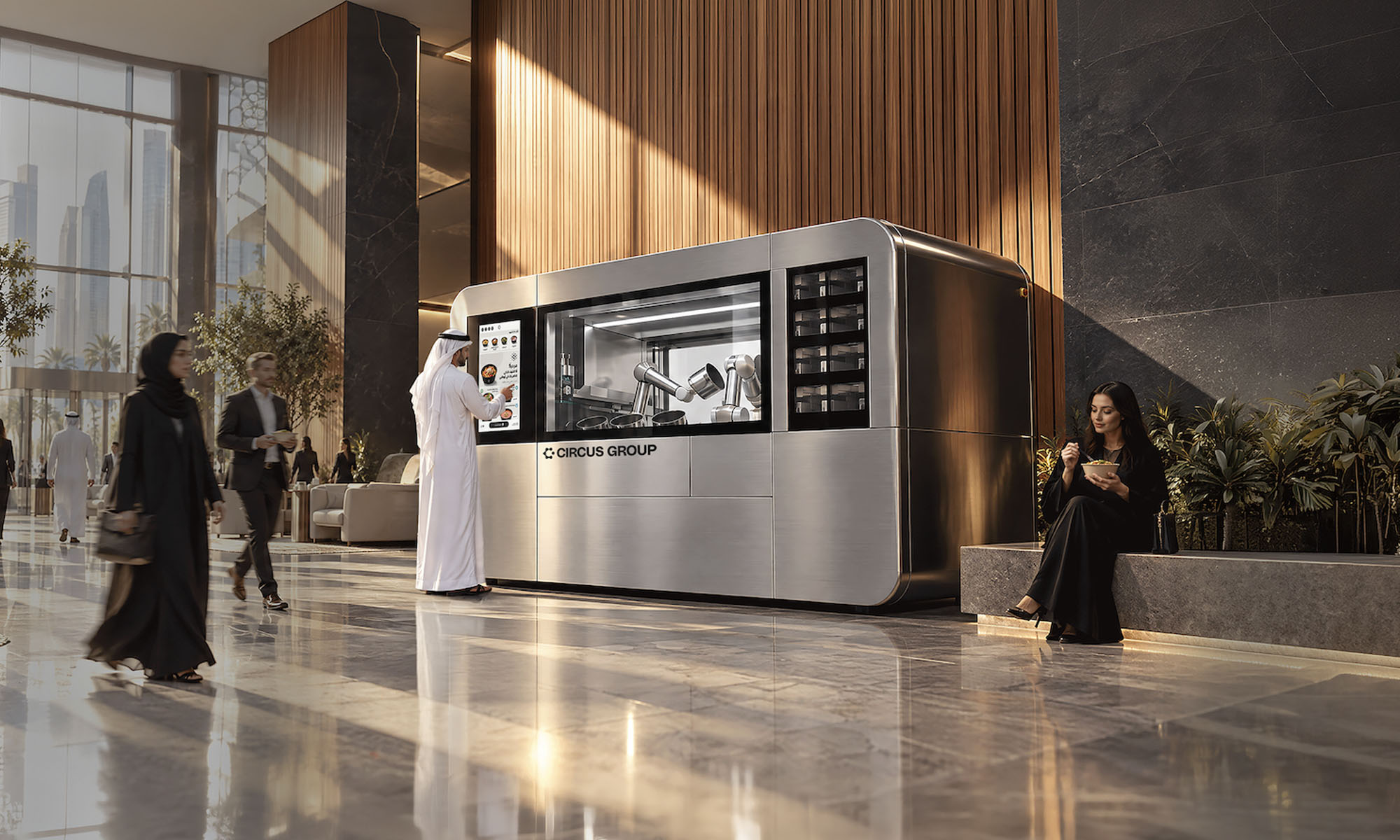
The most telling thing about a new autonomous kitchen now running in Abu Dhabi’s Marina Square is what it won’t cook:
“We don’t do fast food,” says Nikolas Bullwinkel, Founder and CEO of Circus SE. “We’ve actively decided not to build a machine that can only do burgers”.
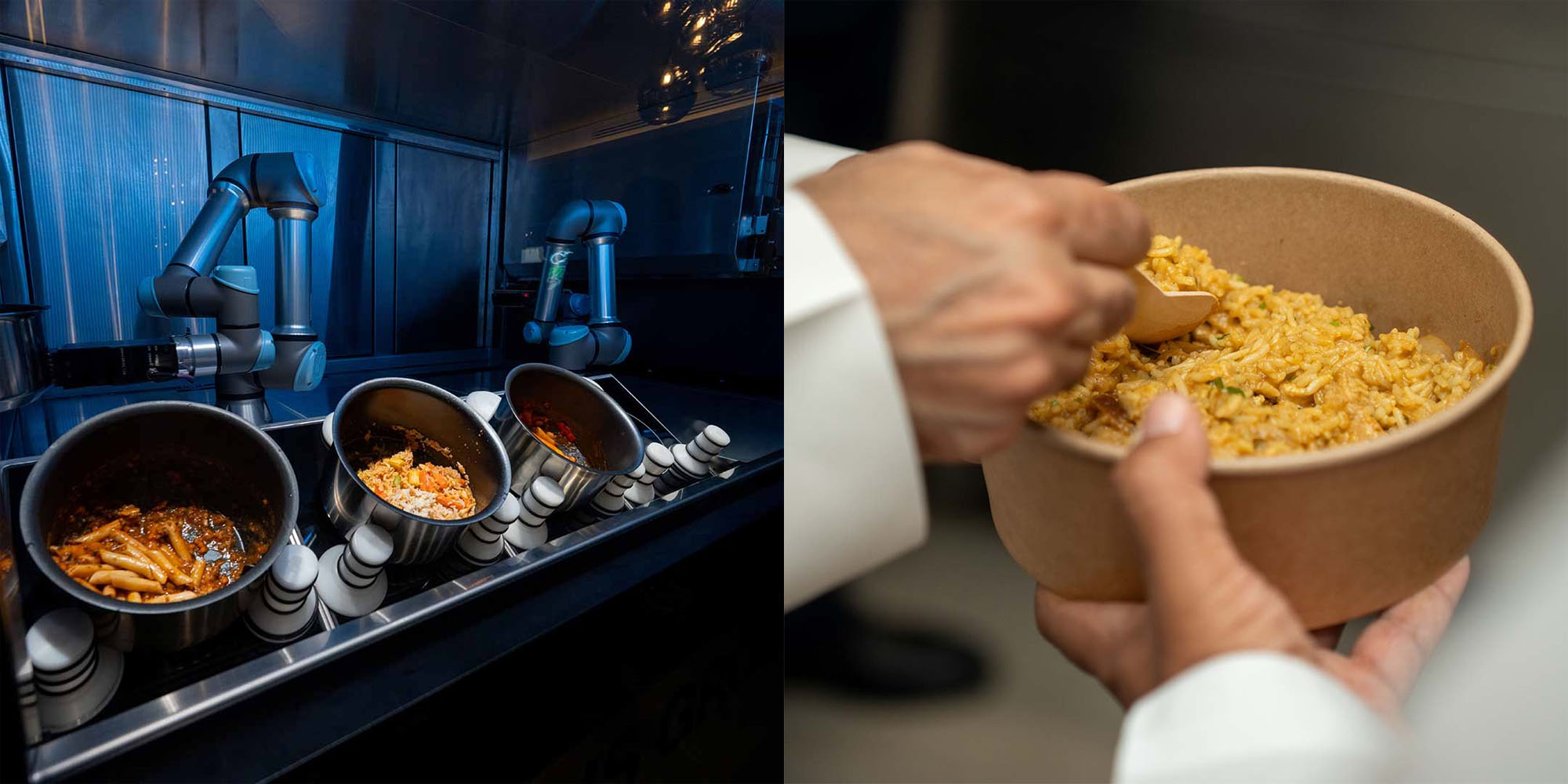
Instead, the CA-1 system is built around pot-based cooking: curries, pastas, soups and rice dishes. After experimenting with highly personalized recipes, Circus deliberately leaned back toward recognizable food. “We’re going with a chicken biryani because you know it,” Bullwinkel says of the AED 40 dish.
The Germany-based robotics and food technology company operates across eight countries, and Abu Dhabi is its first deployment outside Europe. More locations are expected there and in Dubai.
In Germany, its units can be placed in supermarkets, gas stations, airports and hospitals. In the Gulf, Bullwinkel wants them inside residential and office buildings, replacing some of the complexity of last-mile delivery. “We’re basically bringing a very tiny factory a few square meters into your building,” he says. Catering company Royal Prestige supplies the ingredients and knowledge of local tastes.
The CA-1 manages up to 36 refrigerated ingredient silos alongside automated induction cooking, robotic plating and a self-cleaning dishwasher. Two robotic arms move ingredients through the system with minimal human intervention. It can produce up to 120 hot meals an hour, and a meal such as rice and curry can take around three to four minutes.
Also Read: Ooredoo Qatar’s 5G+ Network Is Built For Machines As Much As People
Five cameras and multiple sensors monitor heat, temperature and consistency, an attempt to approximate what a chef perceives. “You can hear something gets burned, you can smell it, you can see it at some point,” Bullwinkel says. CircusOS, the company’s operating system, adjusts recipes in real time.
You might think of the platform as a threat to kitchen staff, but Bullwinkel frames Circus as a way for chefs to develop recipes and distribute them at scale. With that being said, rising labor costs and shortages are also part of his case for automation.

Abu Dhabi’s Robot Kitchen Is Serving Up Biryani, Not Burgers

Sennheiser’s MOMENTUM 5 Series Bets On Batteries You Can Swap

UAE’s 3-Minute University Registration Runs On Government Data

How Online Ads Became A Delivery System For Zero-Click Spyware

Shokz OpenDots 2 Review: Clip-On Audio Gets A Bass-Heavy Makeover

Dubai Says Its Deepfake Detector Needs Just 7 Seconds Of Video

NEOPAY Wants To Follow Merchants Across Channels And Borders

RØDE’s Low-Profile Studio Arm Is Designed To Stay Out Of Shot

New Disney+ Streaming App Has Officially Launched In The UAE

For etisalat, More Bandwidth Is A Matter Of Digital Sovereignty


-
 News2 weeks ago
Dubai Says Its Deepfake Detector Needs Just 7 Seconds Of Video
-
 News3 weeks ago
NEOPAY Wants To Follow Merchants Across Channels And Borders
-
 News3 weeks ago
RØDE’s Low-Profile Studio Arm Is Designed To Stay Out Of Shot
-
 News2 weeks ago
New Disney+ Streaming App Has Officially Launched In The UAE