
News
Cameo’s New Feature Allows Live Calls With Celebrities
Celebrity video message app that lets users send their friends a greeting from a famous celebrity is expanding to allow live two-way video chats.


Have you ever wanted to sit down for an intimate chat with your favorite celebrity? Imagine being able to quiz your favorite musician about their guitar technique, or ask an actor about their experiences on set. Well, that just became a reality with the recently announced Cameo Live.
Cameo is an app that already allows you to request personalized pre-recorded video messages from celebrities by paying them a fee. Although the platform does have a direct messaging system, Cameo has recently upgraded its service with 10-minute live video calls.
Users can request a callback around their own schedule, and the sessions also allow an option to include more than one person to listen in. Here’s a breakdown of the features from Cameo itself:
- Book the 10-minute live video call with one of the thousands of athletes, actors, musicians, comedians, creators, reality stars, and other pop culture personalities.
- Opt for a one-on-one conversation, invite up to nine friends and family members to join you, or gift the call to a loved one.
- Propose three date/time options that work best for you, giving you more schedule control.
Although the idea sounds promising, it’s difficult to see how users won’t abuse the new feature. Cameo seems to have thought of that very eventuality and put specific measures in place.
“Cameo uses technology to auto moderate the chat function of Cameo Live to protect against things like profanity and hate speech,” says Brandon Kazimer, Cameo Spokesperson.
Also Read: Intro Platform Connects Users To Celebrity Experts
Celebrities can decline calls if they feel threatened, as well as terminate chats mid-session if things go wrong. Concerns aside, the new feature does sound like a lot of fun, though depending on the celebrity, it could be pricey to set up a chat.
So who would you like to book for a celebrity chat? With prices anywhere from $100 to $900, you’d be well advised to make notes to ensure you get your money’s worth!



News
New Disney+ Streaming App Has Officially Launched In The UAE
The app’s recommendations now factor in what’s popular in the UAE, and a dedicated Junior Mode gives kids their own corner of Disney+.

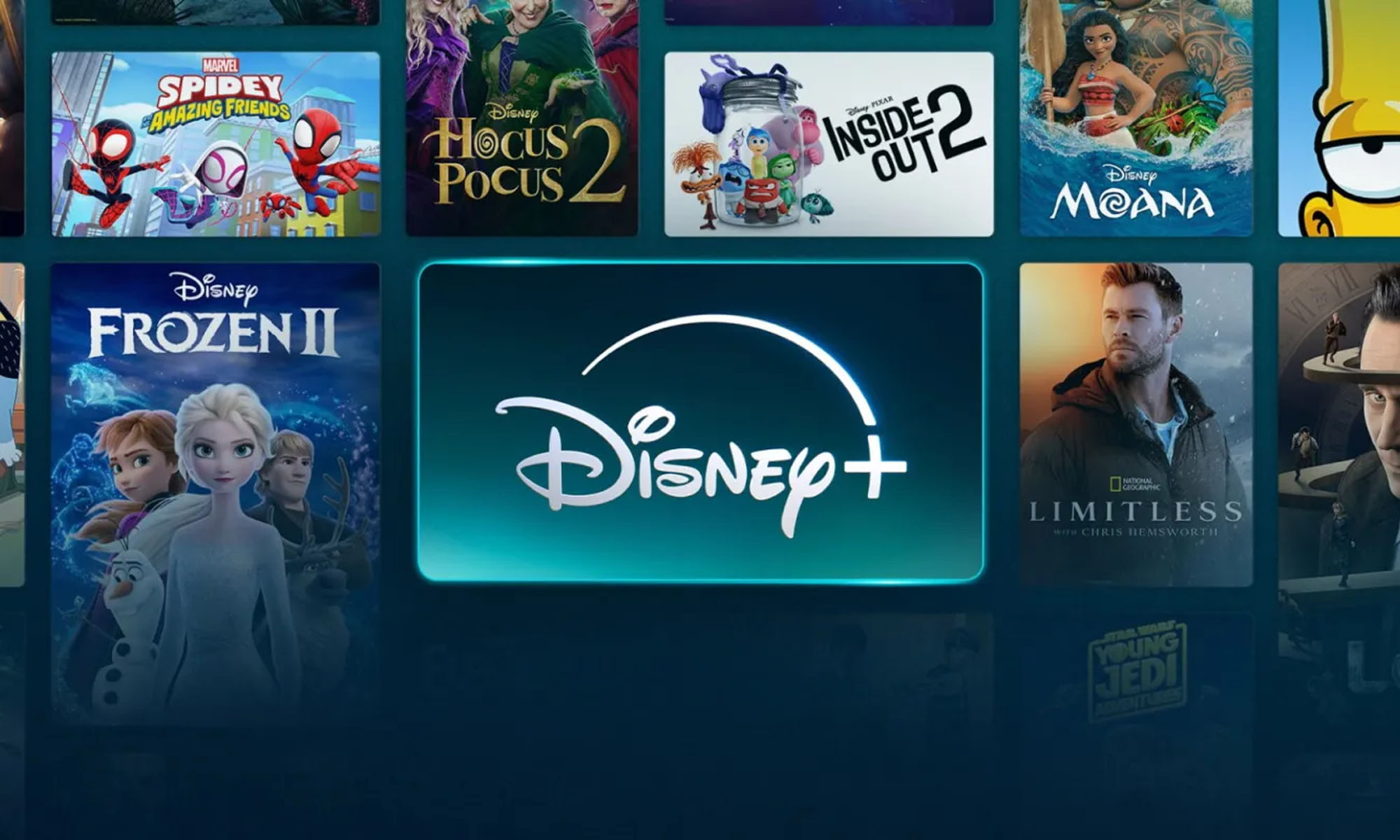
A new Disney+ app has officially launched in the UAE, and subscribers can now keep watching their favorite titles when they travel. Disney+ says access extends across supported markets in Europe, the United States and beyond.
The app is built around a dynamic homepage and simpler navigation, with recommendations drawn from each customer’s viewing habits and what’s popular in the UAE. Content from Hulu and ESPN is now easier to find alongside Disney+’s own library, the company says. Audio and subtitles come in up to 25 languages, and supported devices get high-quality video and sound.
For families, the app includes Junior Mode, a dedicated, simplified version of Disney+ for younger viewers, built around age-appropriate shows and movies. It sits alongside existing controls such as PIN-protected profiles, customizable content ratings and account notifications when a profile is changed.
The catalog still spans Disney, Pixar, Marvel, Star Wars, National Geographic, Hulu and FX. Returning series include Season 8 of “The Kardashians,” Season 23 of “Grey’s Anatomy” and Season 38 of “The Simpsons”. Also on the service are the second season of International Emmy and BAFTA Award-winning series “Rivals,” comedy “Only Murders in the Building,” Walt Disney Animation Studios’ “Zootropolis 2” and 20th Century Studios’ “Send Help”.
Also Read: Best Video Streaming Services In The Middle East
Marvel Television’s “VisionQuest” is on the way, and Disney’s live-action “Moana” is due later this autumn. Beyond Hollywood, the Turkish title “Halef” is coming to the platform alongside a lineup of Korean entertainment: Korean-Japanese romantic comedy “Merry Berry Love” is streaming now, and “The Remarried Empress” arrives November 4.
Existing subscribers will be prompted to download the new app and sign in with their current credentials, with on-screen steps covering account confirmation and profile setup. Subscriptions start at AED 49.99 per month and can be canceled at any time.
For UAE subscribers planning to travel, the update will likely be well received, but Disney has left one question open. It confirms Europe and the United States as supported markets but doesn’t yet say which others fall under and beyond.

New Disney+ Streaming App Has Officially Launched In The UAE

Dubai Says Its Deepfake Detector Needs Just 7 Seconds Of Video

OpenAI Has Announced A Visual Ad Format For ChatGPT

For etisalat, More Bandwidth Is A Matter Of Digital Sovereignty

NEOPAY Wants To Follow Merchants Across Channels And Borders

Trip.com Is Betting An AI Agent Will Book Your Next Vacation

Musk’s Boring Company Wants To Dig 150 KM Of Tunnel Under The UAE

OKX Bets Streaming Perks Can Take Crypto Mainstream Across MENA

Meta’s New $499 Plan Puts A Price On Reaching A Real Person

Apple’s First Folding iPhone Arrives Late To A Shrinking Market


-
 News3 weeks ago
Trip.com Is Betting An AI Agent Will Book Your Next Vacation
-
 News3 weeks ago
OKX Bets Streaming Perks Can Take Crypto Mainstream Across MENA
-
 News3 weeks ago
Meta’s New $499 Plan Puts A Price On Reaching A Real Person
-

 News3 weeks ago
Qatar Folds 45 State Companies Into A Single Investment Platform