
News
Intro Platform Connects Users To Celebrity Experts
Intro is a new platform that allows users to book one-on-one video call consults with top-tier industry experts.


Founded by Los Angeles-based entrepreneur Raad Mobren, Intro is the latest platform that allows people to connect with celebrity experts across various fields. Mobren takes his inspiration for the platform from a chance meeting with Paul Orfalea, founder of the copy-chain Kinko’s. When Mobren was 18, he tapped Orfalea on the shoulder and asked if he could quiz the entrepreneur on his business success. Orfalea invited him to a 15-minute sit-down chat, which forever shaped Mobren’s future.
The idea of Intro might sound a little like Masterclass, where fans can receive masterclass tuition from their favorite artists or sports stars, or even Cameo, the platform that lets you order personalized video messages from famous personalities and Hollywood stars. Intro, however, has a different aim: to provide honest, actionable consultations from leading experts such as CEOs, sportspeople, businesspeople, and even interior designers.
“Intro breaks down walls and allows people from all across the world to easily have access to people who once seemed inaccessible. Our dream is that someone’s life will change because they got access to the person they admire, learned valuable information, and were inspired to make the world a better place,” says Raad Mobren, Cofounder & CEO
The platform has some heavyweight celeb backing in the form of Alexis Ohanian (a cofounder of Reddit), Andreessen Horowitz, CAA founder Michael Ovitz, and a growing network of highly accomplished stars. Joining the platform could see experts earning up to $500,000 annually, with a not inconsiderable 30% commission going to Intro.
Also Read: Yela Secures Over $2M To Connect Fans & Celebrities Via Video Messages
So how does the service work? Users either book a series of consulting calls, or simple one-off sessions of 15 minutes to an hour, with prices from $100 to $500. The service encompasses all genres, from entrepreneurial advice and help with business pitches to house remodeling and event planning.
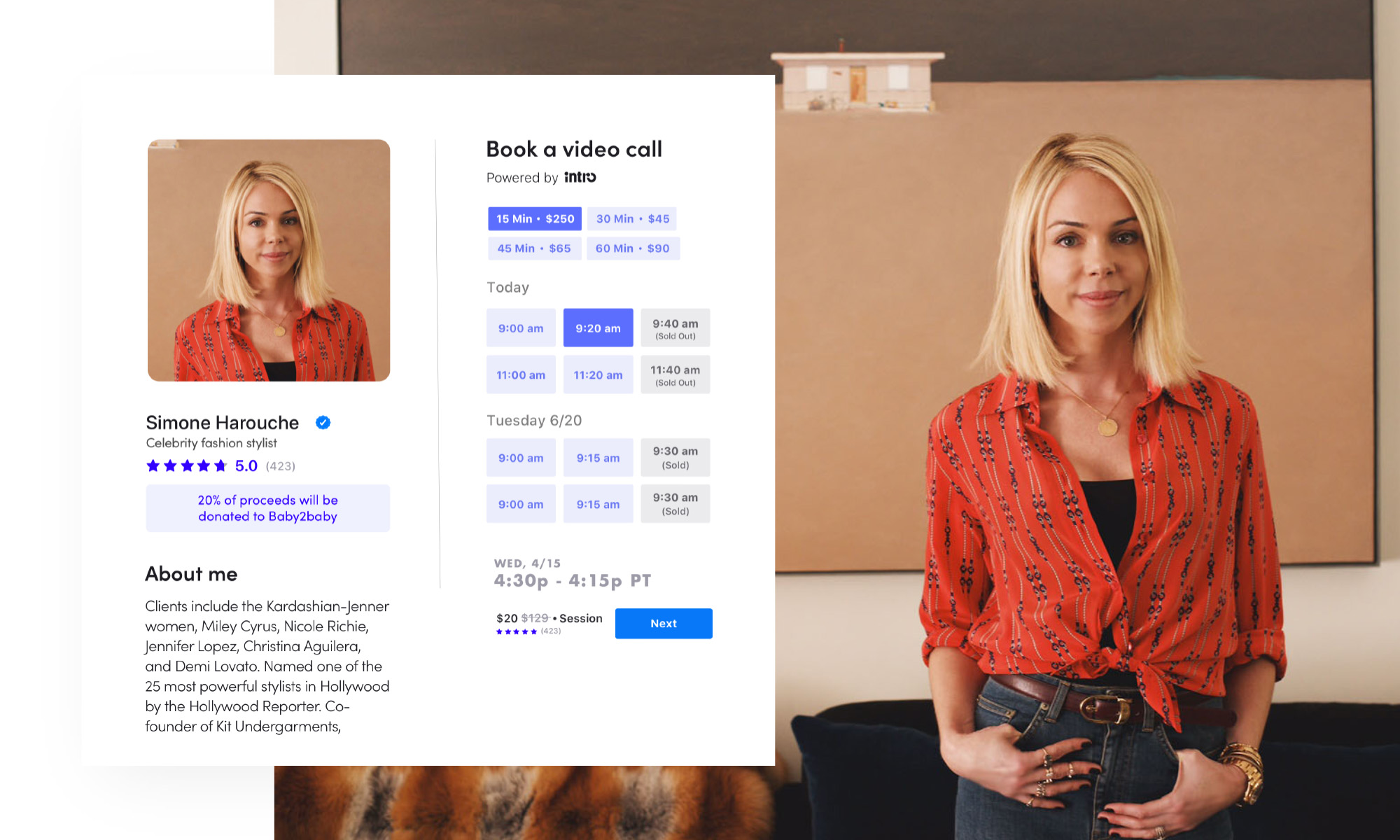
Intro’s experts don’t communicate further outside of the platform, and there’s no chat function or image sharing, so users need to take screenshots or make detailed notes. Still, Intro certainly sounds promising, especially if the makers can entice a decent-sized pool of talent to join the platform.



News
Microsoft Plans $10 Billion-Plus Gulf Expansion Despite Iran Conflict
Security is shaping Microsoft’s approach, from resilience work with governments to what it will say about how the money splits by country.
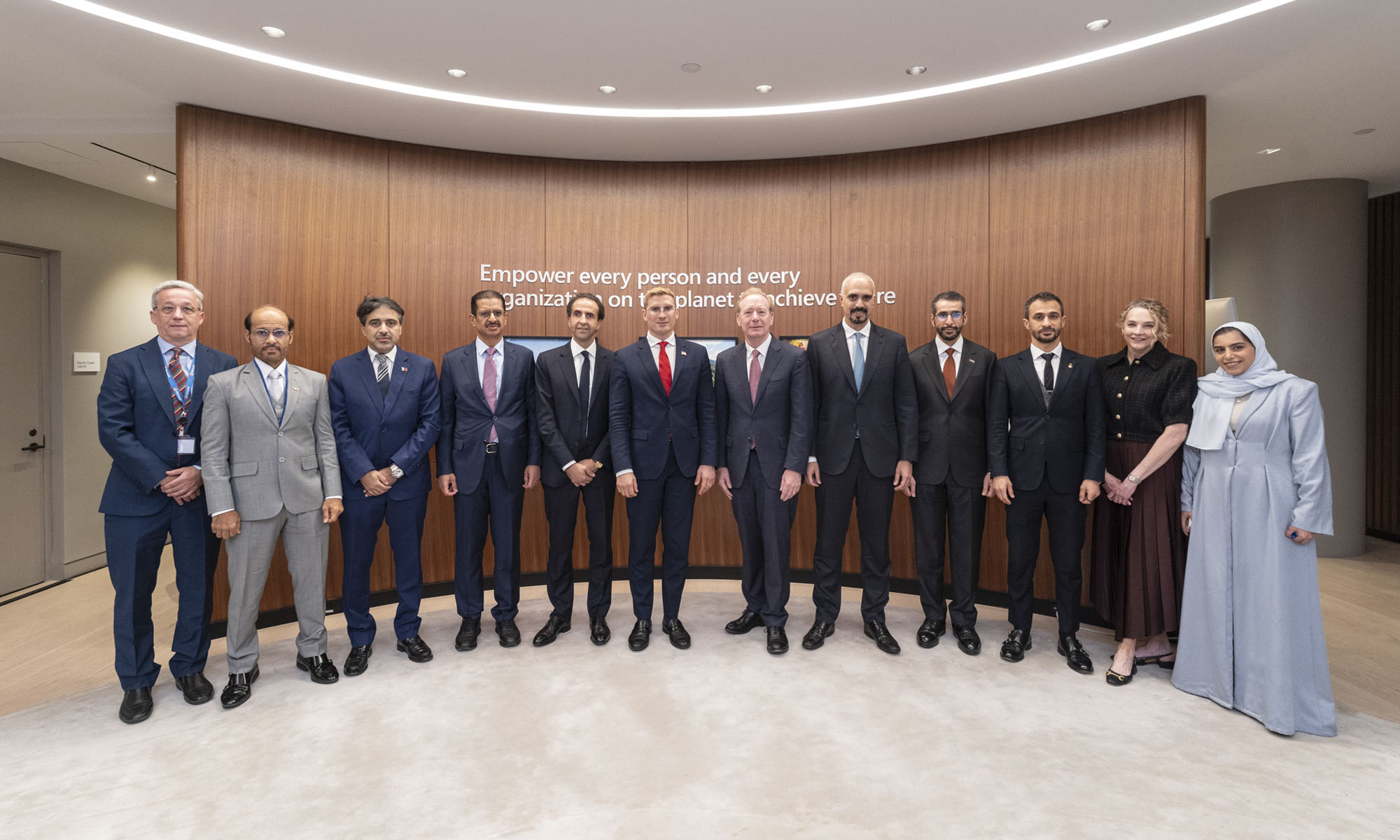
Microsoft is planning more than $10 billion of investment across the UAE, Saudi Arabia, Qatar and Kuwait through 2030, Vice Chair and President Brad Smith told Reuters, calling the spending schedule aggressive. The Iranian conflict that began on February 28 has not persuaded the company to scale back.
“We’re sustaining all the investments we planned to make before this conflict started, and we are in fact adding to them,” Smith said. The $10 billion-plus total does not, however, show how large those additions are.
The investment, which Smith described as part of Microsoft’s continued infrastructure expansion, is aimed at cloud and AI infrastructure and at the company’s growing regional operations. Microsoft also intends to put more than $400 million into subsea and terrestrial connectivity across the Middle East by 2030.
The spending fits the region’s own ambitions too. Gulf governments have been investing heavily in AI infrastructure as part of a push to diversify their economies beyond oil and gas and turn themselves into global technology hubs. Major cloud and AI providers have been drawn in part by the land and relatively low-cost energy on offer.
Microsoft is widening its partnerships with regional AI companies, though not on identical terms. In 2024, it invested $1.5 billion in Abu Dhabi-based G42 for a minority stake, and Smith currently sits on G42’s board. Saudi Arabia’s Humain and Qatar’s Qai are working with Microsoft on selected priority areas, but Smith said the company does not plan to make capital investments in either.
Also Read: Egypt’s Mobile Wallets Are Booming, But Cash Still Has Power
The conflict has added another strand to Microsoft’s work in the region. Since it began, Smith said, the company has supported regional partners with digital resilience assessments, and it is now working with Gulf countries through a digital resilience initiative focused on preparedness and the protection of critical data.
So far, the company has given no country-by-country breakdown of the investment, citing security among other factors. So while the headline figure is public, how Microsoft divides the spending among the four countries is not.

Microsoft Plans $10 Billion-Plus Gulf Expansion Despite Iran Conflict

In Kuwait, Your Surgeon Might Be Operating From Another Country

Qatar Folds 45 State Companies Into A Single Investment Platform

Trip.com Is Betting An AI Agent Will Book Your Next Vacation

Meta’s New $499 Plan Puts A Price On Reaching A Real Person

Apple’s First Folding iPhone Arrives Late To A Shrinking Market
Trip.com Is Betting An AI Agent Will Book Your Next Vacation

Egypt’s Mobile Wallets Are Booming, But Cash Still Has Power

OKX Bets Streaming Perks Can Take Crypto Mainstream Across MENA

Musk’s Boring Company Wants To Dig 150 KM Of Tunnel Under The UAE


-
 News3 weeks ago
Apple’s First Folding iPhone Arrives Late To A Shrinking Market
-
 News2 weeks ago
Trip.com Is Betting An AI Agent Will Book Your Next Vacation
-
 News2 weeks ago
Egypt’s Mobile Wallets Are Booming, But Cash Still Has Power
-
 News2 weeks ago
OKX Bets Streaming Perks Can Take Crypto Mainstream Across MENA