
News
Zoom Launches Intelligent Director Feature For Zoom Rooms
The AI-powered solution enhances connections and optimizes conference room experiences using multiple cameras.


Popular video meeting app Zoom has just announced a new feature, Intelligent Director, for improved hybrid meetings within Zoom Rooms. The technology uses multiple cameras combined with AI algorithms to display the best image and angle of meeting participants.
“As more people return to the office, it’s no longer enough to deliver the best remote worker experience; every business needs a solution to deliver the best hybrid meeting experience,” explained Smita Hashim, chief product officer at Zoom. “Even with some employees in the office, oftentimes other team members are dispersed, so meeting equity and inclusion become more important than ever. Intelligent Director is the solution that can bring employees together, regardless of location, so they can truly connect face-to-face”.
Intelligent Director will allow greater clarity for remote participants, even in large conference rooms, and help to avoid the “bowling alley effect” by sending streams to the gallery view of the Zoom Meeting. The AI-enhanced tech can frame up to 16 participants and is an evolution of the company’s existing Smart Gallery feature.

For larger meeting spaces, participants can often be hidden when only using a single camera, so Intelligent Director’s multi-camera configuration was designed to enable meeting equity for everyone in a conference, even if they move or turn their heads.
Also Read: Checkout.com Uses AI To Boost eCommerce Acceptance Rates
Intelligent Director has been made possible through support from Zoom’s hardware partner ecosystem, which includes industry heavyweights including Apple, Dell, HP, Intel, and Logitech.
Whether or not remote working has a future after the pandemic, video conferencing continues to prove a vital communication tool for keeping employees and teams connected, and continuous feature enhancements are a way for Zoom to maintain its position as a market leader.



News
Visa’s Return To Syria Starts With A Test And A Bank In Lebanon
Foreign visitors will be the first users to benefit, but whether Syria’s own banks and cardholders follow is still an open question.

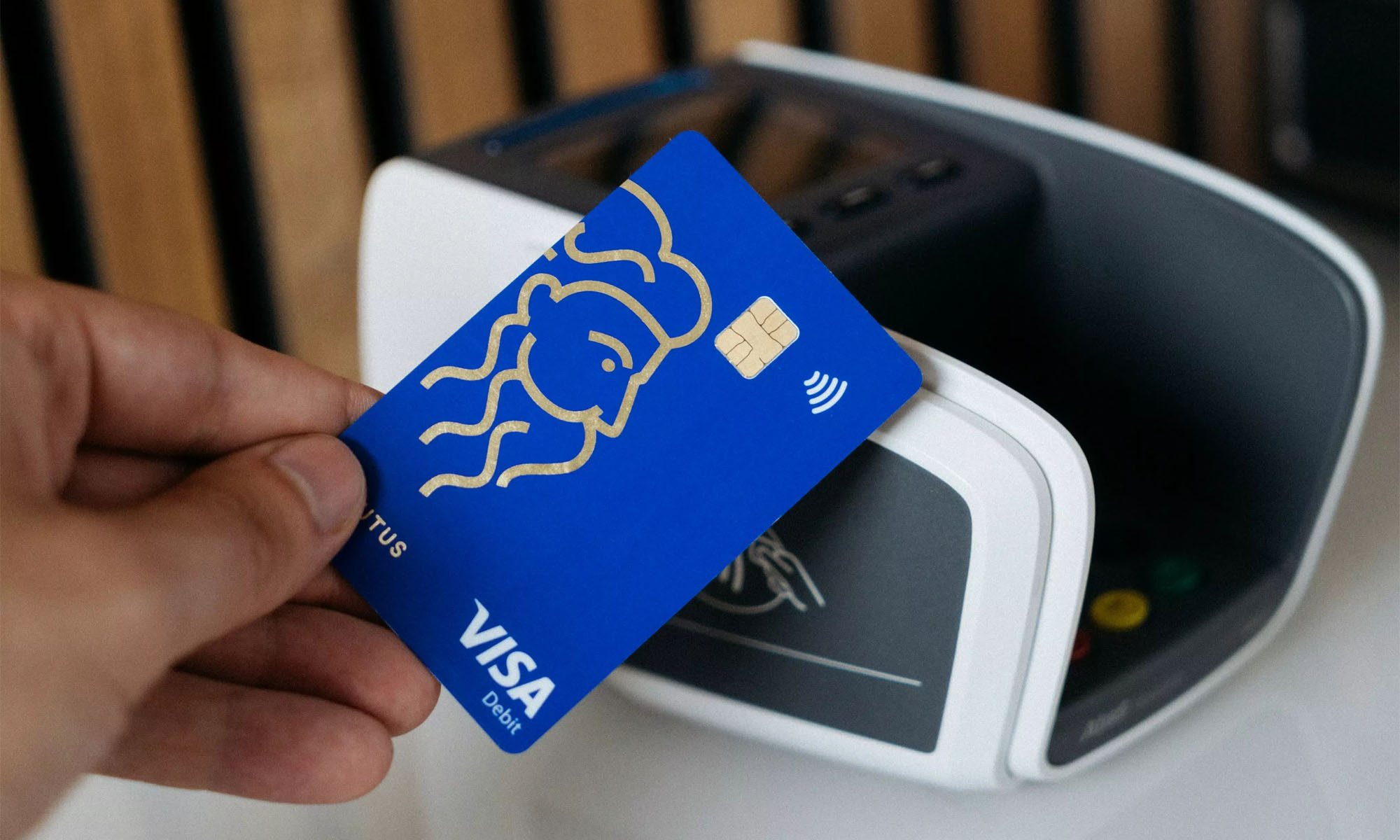
Visa is returning to Syria. Its first live international card transaction in the country was a test rather than a launch, and the milestone event ran through a Lebanese bank.
The acquirer (the bank on the merchant’s side of a card payment) was Fransabank Lebanon, with Paymera as the other named partner. Nadim Moujaes, who heads a Fransabank Group subsidiary, describes the test as both the culmination of “longstanding efforts to link Syria back to international payment networks” and “the first step in a larger path”.
Syrian President Ahmed Al-Sharaa makes the first electronic payment in Syria using a @Visa card at a store in Damascus, following the lifting of US sanctions on Syria. pic.twitter.com/lpAN7nQ6Fc
— Tech Magazine (@TechMGZN) August 27, 2026
“We are excited to have successfully tested live transactions today as we plan to enable international visitors to use their Visa cards while in Syria,” says Leila Serhan, Visa’s senior vice president and group country manager for the North Africa, Levant and Pakistan region. Although a significant first step, that plan doesn’t come with a hard date for when a visitor’s card will work normally.
Mohammed Safwat Raslan, governor of the Central Bank of Syria, says the test paves the way for international card acceptance in Syria and that maintaining strong compliance, risk management and operational controls will remain essential. Serhan likewise stresses that Visa has worked within applicable legal, regulatory and compliance requirements. For a test transaction, it seems there was a great deal of attention paid to the rules, with the entire operation being carefully managed.
Also Read: Lebanon’s 5G Era Begins With 150 Stations And A $1M Budget
The test is the latest step in a sequence that began in December 2025, when Visa announced a strategic roadmap to support Syria’s integration into the global digital economy. In February 2026 it hosted its first industry gathering of banks, ecosystem partners and policymakers in Damascus and, the same month, signed an agreement with Syria’s Ministry of Communications and Information Technology in San Francisco.
Michel Kattouah, Paymera’s CEO, called the test “the return of international card acceptance,” but while that’s positive news, there’s no word yet on when a Syrian bank will issue a Visa card to a Syrian customer.

Visa’s Return To Syria Starts With A Test And A Bank In Lebanon

RØDE’s New DS3 Studio Arm Is Built For Heavier Creator Setups

Dubai Turns AI On Its Own Civil Service To Measure Productivity

Former Rockstar Director Dismisses GTA 6 Leaks As “Nothing Burger”

Qatar Airways Flies The World’s First Starlink-Equipped 787-9

Spotify Will Now Tell You If Your Favorite Artist Isn’t Real

Instagram Redraws Its Wordmark And The Internet Reads “Instagzam”

Anghami’s New Elite Program Starts With A Three-Decade Catalog

Qatar Is Getting Its First EV Plant, Built To Cope With Gulf Heat

Dubai’s aradus Wants AI To Run The Back Office Of Physical Trade


-
 News3 weeks ago
Instagram Redraws Its Wordmark And The Internet Reads “Instagzam”
-
 News3 weeks ago
Anghami’s New Elite Program Starts With A Three-Decade Catalog
-
 News3 weeks ago
Qatar Is Getting Its First EV Plant, Built To Cope With Gulf Heat
-
 News3 weeks ago
Dubai’s aradus Wants AI To Run The Back Office Of Physical Trade