
News
Zoom Launches Intelligent Director Feature For Zoom Rooms
The AI-powered solution enhances connections and optimizes conference room experiences using multiple cameras.


Popular video meeting app Zoom has just announced a new feature, Intelligent Director, for improved hybrid meetings within Zoom Rooms. The technology uses multiple cameras combined with AI algorithms to display the best image and angle of meeting participants.
“As more people return to the office, it’s no longer enough to deliver the best remote worker experience; every business needs a solution to deliver the best hybrid meeting experience,” explained Smita Hashim, chief product officer at Zoom. “Even with some employees in the office, oftentimes other team members are dispersed, so meeting equity and inclusion become more important than ever. Intelligent Director is the solution that can bring employees together, regardless of location, so they can truly connect face-to-face”.
Intelligent Director will allow greater clarity for remote participants, even in large conference rooms, and help to avoid the “bowling alley effect” by sending streams to the gallery view of the Zoom Meeting. The AI-enhanced tech can frame up to 16 participants and is an evolution of the company’s existing Smart Gallery feature.

For larger meeting spaces, participants can often be hidden when only using a single camera, so Intelligent Director’s multi-camera configuration was designed to enable meeting equity for everyone in a conference, even if they move or turn their heads.
Also Read: Checkout.com Uses AI To Boost eCommerce Acceptance Rates
Intelligent Director has been made possible through support from Zoom’s hardware partner ecosystem, which includes industry heavyweights including Apple, Dell, HP, Intel, and Logitech.
Whether or not remote working has a future after the pandemic, video conferencing continues to prove a vital communication tool for keeping employees and teams connected, and continuous feature enhancements are a way for Zoom to maintain its position as a market leader.


News
Microsoft Plans $10 Billion-Plus Gulf Expansion Despite Iran Conflict
Security is shaping Microsoft’s approach, from resilience work with governments to what it will say about how the money splits by country.
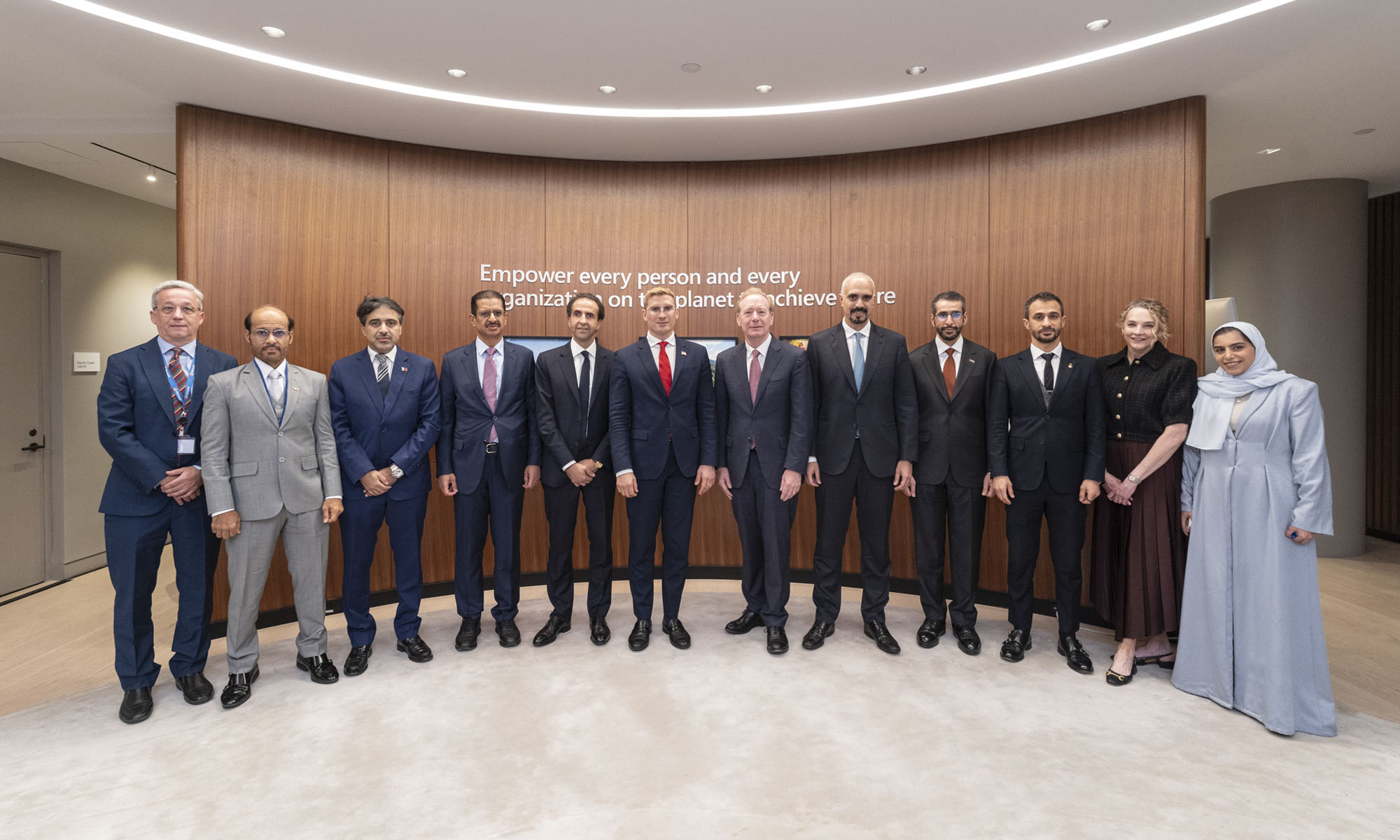
Microsoft is planning more than $10 billion of investment across the UAE, Saudi Arabia, Qatar and Kuwait through 2030, Vice Chair and President Brad Smith told Reuters, calling the spending schedule aggressive. The Iranian conflict that began on February 28 has not persuaded the company to scale back.
“We’re sustaining all the investments we planned to make before this conflict started, and we are in fact adding to them,” Smith said. The $10 billion-plus total does not, however, show how large those additions are.
The investment, which Smith described as part of Microsoft’s continued infrastructure expansion, is aimed at cloud and AI infrastructure and at the company’s growing regional operations. Microsoft also intends to put more than $400 million into subsea and terrestrial connectivity across the Middle East by 2030.
The spending fits the region’s own ambitions too. Gulf governments have been investing heavily in AI infrastructure as part of a push to diversify their economies beyond oil and gas and turn themselves into global technology hubs. Major cloud and AI providers have been drawn in part by the land and relatively low-cost energy on offer.
Microsoft is widening its partnerships with regional AI companies, though not on identical terms. In 2024, it invested $1.5 billion in Abu Dhabi-based G42 for a minority stake, and Smith currently sits on G42’s board. Saudi Arabia’s Humain and Qatar’s Qai are working with Microsoft on selected priority areas, but Smith said the company does not plan to make capital investments in either.
Also Read: Egypt’s Mobile Wallets Are Booming, But Cash Still Has Power
The conflict has added another strand to Microsoft’s work in the region. Since it began, Smith said, the company has supported regional partners with digital resilience assessments, and it is now working with Gulf countries through a digital resilience initiative focused on preparedness and the protection of critical data.
So far, the company has given no country-by-country breakdown of the investment, citing security among other factors. So while the headline figure is public, how Microsoft divides the spending among the four countries is not.

Microsoft Plans $10 Billion-Plus Gulf Expansion Despite Iran Conflict

In Kuwait, Your Surgeon Might Be Operating From Another Country

Qatar Folds 45 State Companies Into A Single Investment Platform

Trip.com Is Betting An AI Agent Will Book Your Next Vacation

Meta’s New $499 Plan Puts A Price On Reaching A Real Person

Apple’s First Folding iPhone Arrives Late To A Shrinking Market
Trip.com Is Betting An AI Agent Will Book Your Next Vacation

Egypt’s Mobile Wallets Are Booming, But Cash Still Has Power

OKX Bets Streaming Perks Can Take Crypto Mainstream Across MENA

Apple’s Latest Product Releases Make The Headlines


-
 News3 weeks ago
Apple’s First Folding iPhone Arrives Late To A Shrinking Market
-
 News2 weeks ago
Trip.com Is Betting An AI Agent Will Book Your Next Vacation
-
 News2 weeks ago
Egypt’s Mobile Wallets Are Booming, But Cash Still Has Power
-
 News2 weeks ago
OKX Bets Streaming Perks Can Take Crypto Mainstream Across MENA