
News
Xiaomi Launches SU7 Ultra Electric Sedan With 1,500 Horsepower
Xiaomi’s new SU7 Ultra electric sedan pairs 1,500 horsepower with advanced aerodynamics, a 93.7 kWh fast-charging battery, and top-tier luxury detailing.


Three months after its prototype debut in July, Xiaomi has officially launched the SU7 Ultra — a massively powerful electric sedan with luxury features — in the Chinese market. Boasting 1,500 horsepower, the model obliterates current performance standards for electric vehicles (EVs). The SU7 also caters to the high-end market with its top-tier specs and bold design. The capability to accelerate from 0 to 100 km/h in under 2 seconds underscores Xiaomi’s commitment to pushing the EV performance envelope despite little experience in the automotive market.
The SU7 Ultra takes the design of Xiaomi’s standard SU7 to new levels with a focus on aerodynamics and sportier aesthetics. Key design elements include redesigned bumpers, a larger rear spoiler spanning 1.56 meters, and a widened body structure compared to its standard counterpart. Xiaomi claims these additions, along with an active rear diffuser, generate a downforce of up to 265 kg.
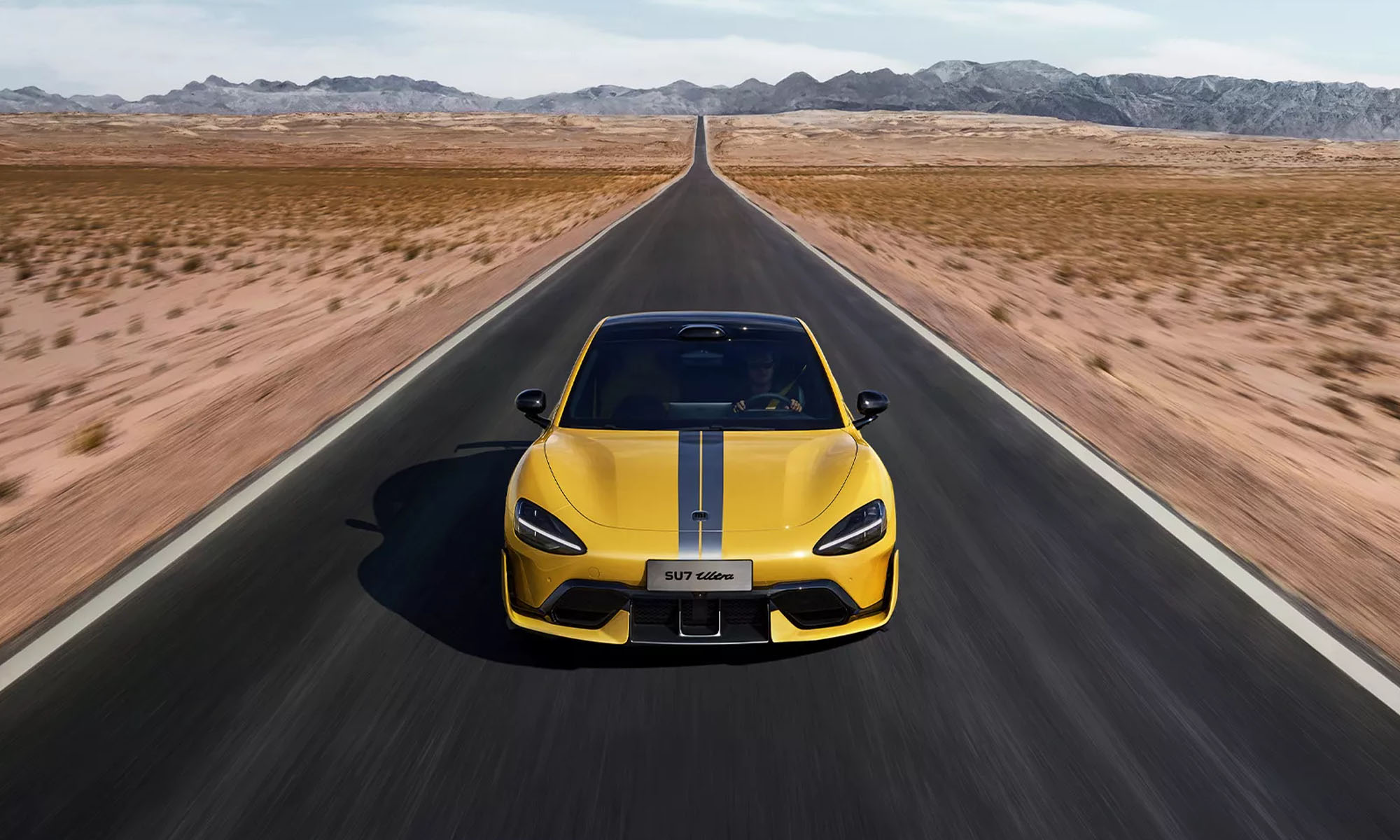
Inside, the SU7 Ultra combines luxurious materials with performance-inspired styling. Alcantara, a hallmark of high-end automotive interiors, envelopes the seats, steering wheel, door panels, and other interior surfaces. Meanwhile, carbon fiber accents add to the sporty feel, and include the doorstep panels, center console, and rearview mirror.

The SU7 Ultra is powered by CATL’s Qilin 2.0 battery, with a capacity of 93.7 kWh. This high-performance power pack supports a remarkable 5.2C DC fast-charging rate, enabling a 10-80% charge in just 11 minutes. With a maximum discharge power of 1,330 kW, the battery powers three electric motors, producing a combined 1,138 kW (or 1,526 hp) and peak torque of 1,770 Nm. With so much power on tap, the SU7 Ultra can reach 100 km/h in 1.98 seconds, 200 km/h in 5.86 seconds, and achieve a top speed of 350 km/h.
Also Read: Qatar Airways Debuts World’s First Boeing 777 Starlink Flight
The SU7 Ultra’s dragstrip times are no less impressive: The Chinese EV can complete the quarter-mile dash in a hypercar-rivaling 9.23 seconds, aided by an Asil-D torque vectoring system for enhanced handling. The vehicle also features Xiaomi’s largest carbon ceramic brake discs to date, with front discs at 430 mm and rears measuring a slightly smaller 410 mm, ensuring awesome stopping power.



News
Abu Dhabi’s Robot Kitchen Is Serving Up Biryani, Not Burgers
Circus SE wants to put a tiny automated factory inside the buildings where Gulf residents live and work, bypassing part of last-mile delivery.
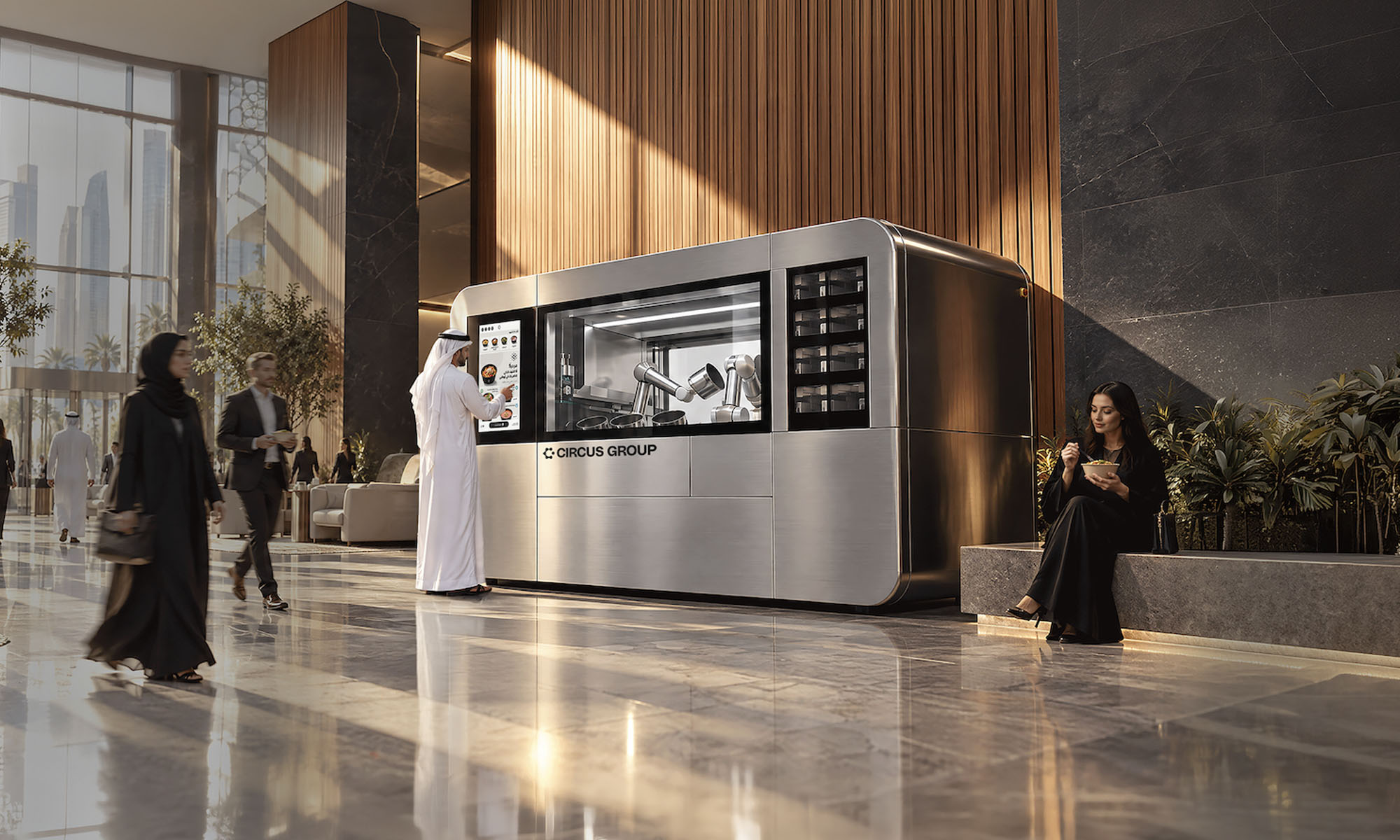
The most telling thing about a new autonomous kitchen now running in Abu Dhabi’s Marina Square is what it won’t cook:
“We don’t do fast food,” says Nikolas Bullwinkel, Founder and CEO of Circus SE. “We’ve actively decided not to build a machine that can only do burgers”.
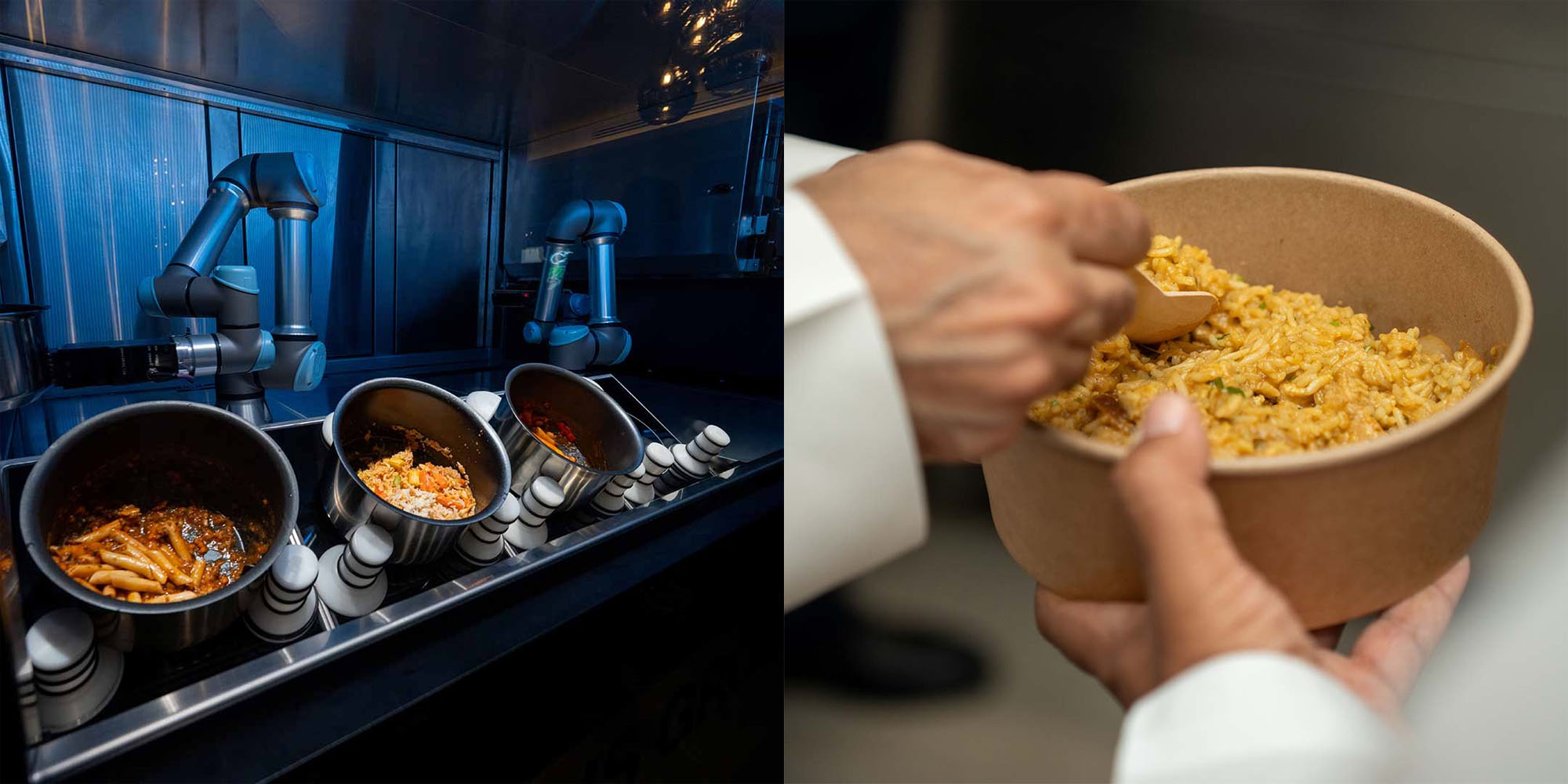
Instead, the CA-1 system is built around pot-based cooking: curries, pastas, soups and rice dishes. After experimenting with highly personalized recipes, Circus deliberately leaned back toward recognizable food. “We’re going with a chicken biryani because you know it,” Bullwinkel says of the AED 40 dish.
The Germany-based robotics and food technology company operates across eight countries, and Abu Dhabi is its first deployment outside Europe. More locations are expected there and in Dubai.
In Germany, its units can be placed in supermarkets, gas stations, airports and hospitals. In the Gulf, Bullwinkel wants them inside residential and office buildings, replacing some of the complexity of last-mile delivery. “We’re basically bringing a very tiny factory a few square meters into your building,” he says. Catering company Royal Prestige supplies the ingredients and knowledge of local tastes.
The CA-1 manages up to 36 refrigerated ingredient silos alongside automated induction cooking, robotic plating and a self-cleaning dishwasher. Two robotic arms move ingredients through the system with minimal human intervention. It can produce up to 120 hot meals an hour, and a meal such as rice and curry can take around three to four minutes.
Also Read: Ooredoo Qatar’s 5G+ Network Is Built For Machines As Much As People
Five cameras and multiple sensors monitor heat, temperature and consistency, an attempt to approximate what a chef perceives. “You can hear something gets burned, you can smell it, you can see it at some point,” Bullwinkel says. CircusOS, the company’s operating system, adjusts recipes in real time.
You might think of the platform as a threat to kitchen staff, but Bullwinkel frames Circus as a way for chefs to develop recipes and distribute them at scale. With that being said, rising labor costs and shortages are also part of his case for automation.

Abu Dhabi’s Robot Kitchen Is Serving Up Biryani, Not Burgers

Sennheiser’s MOMENTUM 5 Series Bets On Batteries You Can Swap

UAE’s 3-Minute University Registration Runs On Government Data

How Online Ads Became A Delivery System For Zero-Click Spyware

Shokz OpenDots 2 Review: Clip-On Audio Gets A Bass-Heavy Makeover

NEOPAY Wants To Follow Merchants Across Channels And Borders

Dubai Says Its Deepfake Detector Needs Just 7 Seconds Of Video

RØDE’s Low-Profile Studio Arm Is Designed To Stay Out Of Shot

New Disney+ Streaming App Has Officially Launched In The UAE

For etisalat, More Bandwidth Is A Matter Of Digital Sovereignty


-
 News3 weeks ago
NEOPAY Wants To Follow Merchants Across Channels And Borders
-
 News2 weeks ago
Dubai Says Its Deepfake Detector Needs Just 7 Seconds Of Video
-
 News3 weeks ago
RØDE’s Low-Profile Studio Arm Is Designed To Stay Out Of Shot
-
 News2 weeks ago
New Disney+ Streaming App Has Officially Launched In The UAE