
News
EDT&Partners Buys eFlow To Bolster AI Learning Push
The Middle East-founded platform is adding engagement tech as the consultancy firm widens into regulated workforce training.


EDT&Partners has bought eFlow, an AI conversational learning platform founded in the Middle East, for an undisclosed sum. The deal marks a push by the consultancy business to tighten control over last-mile learning across education and workplace training.
EDT&Partners, long rooted in universities and public-sector work, is targeting a broader “knowledge economy” in which learning is continuous and embeds into daily workflows. Clients in regulated industries are pressing for digital learning that is both responsible and actually completed — not just designed.
“Education remains at the core of who we are,” said Pablo Langa, founder and managing partner at EDT&Partners. “At the same time, we are intentionally expanding into the broader learning ecosystem, particularly in highly regulated industries”.
eFlow delivers courses through chat-style interactions, using AI prompts to keep students and employees on task. The premise is blunt: engagement is the bottleneck in digital learning, and completion rates lag unless the platform actively supports the learner.
The acquisition folds eFlow’s engagement layer into EDT&Partners’ strategic and technology work, including Lecture, the firm’s open-source GenAI framework. The pitch is that institutions and employers can launch programs that people actually finish.
Co-founder Bassel Jalaleddine said the deal gives eFlow “the strategic and operational backbone needed to scale responsibly,” and stressed the platform’s intent to support educators rather than replace them.
Also Read: OpenAI’s ChatGPT Health Is A Private Space For Health Data
The move also strengthens EDT&Partners’ footing in the Middle East. The region is pushing workforce reform and talent development, and low-bandwidth, messaging-based learning travels well across emerging markets and community training programs.
eFlow’s co-founders, Jalaleddine and Samer Bawab, will join EDT&Partners as senior leaders. Both brands will run in parallel for now while teams and platforms are aligned ahead of industry events next year, including Bett 2026 in London.
The deal underlines demand for tools that move beyond content libraries toward engagement and completion — a direction echoed in corporate training budgets and government skills agendas.


News
Visa’s Return To Syria Starts With A Test And A Bank In Lebanon
Foreign visitors will be the first users to benefit, but whether Syria’s own banks and cardholders follow is still an open question.

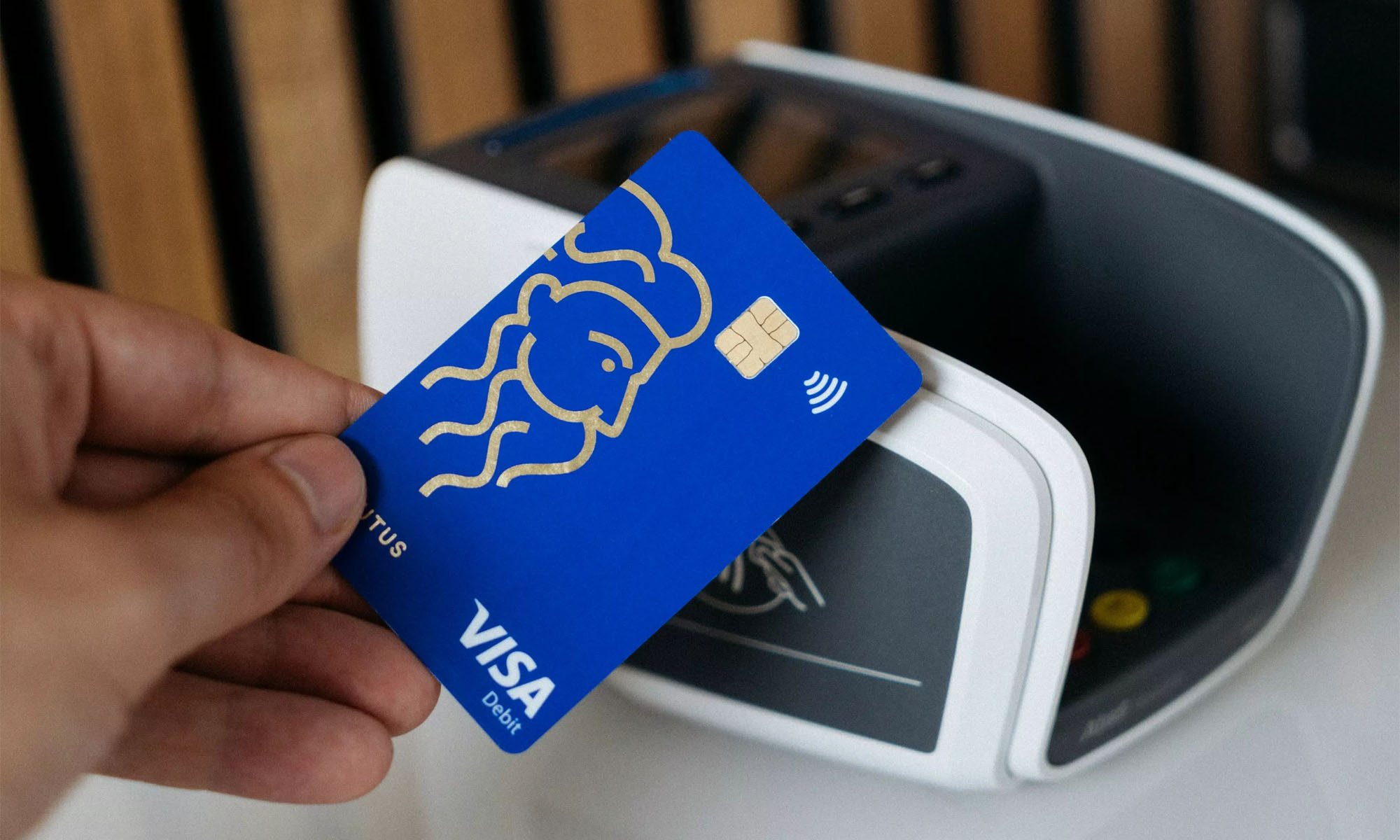
Visa is returning to Syria. Its first live international card transaction in the country was a test rather than a launch, and the milestone event ran through a Lebanese bank.
The acquirer (the bank on the merchant’s side of a card payment) was Fransabank Lebanon, with Paymera as the other named partner. Nadim Moujaes, who heads a Fransabank Group subsidiary, describes the test as both the culmination of “longstanding efforts to link Syria back to international payment networks” and “the first step in a larger path”.
Syrian President Ahmed Al-Sharaa makes the first electronic payment in Syria using a @Visa card at a store in Damascus, following the lifting of US sanctions on Syria. pic.twitter.com/lpAN7nQ6Fc
— Tech Magazine (@TechMGZN) August 27, 2026
“We are excited to have successfully tested live transactions today as we plan to enable international visitors to use their Visa cards while in Syria,” says Leila Serhan, Visa’s senior vice president and group country manager for the North Africa, Levant and Pakistan region. Although a significant first step, that plan doesn’t come with a hard date for when a visitor’s card will work normally.
Mohammed Safwat Raslan, governor of the Central Bank of Syria, says the test paves the way for international card acceptance in Syria and that maintaining strong compliance, risk management and operational controls will remain essential. Serhan likewise stresses that Visa has worked within applicable legal, regulatory and compliance requirements. For a test transaction, it seems there was a great deal of attention paid to the rules, with the entire operation being carefully managed.
Also Read: Lebanon’s 5G Era Begins With 150 Stations And A $1M Budget
The test is the latest step in a sequence that began in December 2025, when Visa announced a strategic roadmap to support Syria’s integration into the global digital economy. In February 2026 it hosted its first industry gathering of banks, ecosystem partners and policymakers in Damascus and, the same month, signed an agreement with Syria’s Ministry of Communications and Information Technology in San Francisco.
Michel Kattouah, Paymera’s CEO, called the test “the return of international card acceptance,” but while that’s positive news, there’s no word yet on when a Syrian bank will issue a Visa card to a Syrian customer.

Visa’s Return To Syria Starts With A Test And A Bank In Lebanon

RØDE’s New DS3 Studio Arm Is Built For Heavier Creator Setups

Dubai Turns AI On Its Own Civil Service To Measure Productivity

Former Rockstar Director Dismisses GTA 6 Leaks As “Nothing Burger”

Qatar Airways Flies The World’s First Starlink-Equipped 787-9

Spotify Will Now Tell You If Your Favorite Artist Isn’t Real

Instagram Redraws Its Wordmark And The Internet Reads “Instagzam”

Anghami’s New Elite Program Starts With A Three-Decade Catalog

Qatar Is Getting Its First EV Plant, Built To Cope With Gulf Heat

Dubai’s aradus Wants AI To Run The Back Office Of Physical Trade


-
 News3 weeks ago
Instagram Redraws Its Wordmark And The Internet Reads “Instagzam”
-
 News3 weeks ago
Anghami’s New Elite Program Starts With A Three-Decade Catalog
-
 News3 weeks ago
Qatar Is Getting Its First EV Plant, Built To Cope With Gulf Heat
-
 News3 weeks ago
Dubai’s aradus Wants AI To Run The Back Office Of Physical Trade