
News
Ethereum Just Completed The Long-Awaited Merge Upgrade
According to a Twitter post from co-founder Vitalik Buterin, The Ethereum blockchain network just completed the most ambitious software upgrade ever to take place in crypto.

Ethereum is probably the most important commercial highway in the crypto landscape, and it has now been “merged” — a process that replaced older, power-sapping network computers with more modern and energy-efficient machines. The upgrade will see Ethereum’s energy expenditure decline by a massive 99%.
This kind of upgrade has never been attempted in crypto until now, which is no surprise, as Ethereum is home to 3,500 apps and handles billions of dollars of crypto transactions. End-users shouldn’t notice the merge, but it will eventually make the network faster and cheaper to run.
Although now completed, Ethereum’s merge could see the network suffering from occasional glitches or hang-ups for at least several weeks. Exchanges like Coinbase paused Ethereum withdrawals and deposits during the event in anticipation of hacking attempts and general instability.
There is some concern that EthereumPOW and other forks may create copies that still run on the older computers, potentially creating confusion and leading to more scams and hacking attempts. USDC stablecoin issuer Circle and oracle provider Chainlink have both announced that they won’t support forked versions of Ethereum, and whether those forked chains remain viable over time is something that isn’t yet known.
Also Read: Dubai To Further Virtual Strategies In Metaverse Assembly
So how will the merge affect crypto mining? Only time will tell, but as profitability has already taken a nosedive this year, the merge will further squeeze those who make a living from crypto mining. Energy costs are rising globally, and now miners are faced with the prospect of changing to new equipment or selling up for good.
So what does the future hold for Ethereum in the wake of these massive changes? So far, the jury is out, but some traders anticipate the network overtaking Bitcoin in the long run and are hedging vast sums of money on their prediction.




News
NEOPAY Wants To Follow Merchants Across Channels And Borders
A controlling 65% stake in noon payments would give NEOPAY access to marketplace sellers, online merchants and the payment flows they generate.
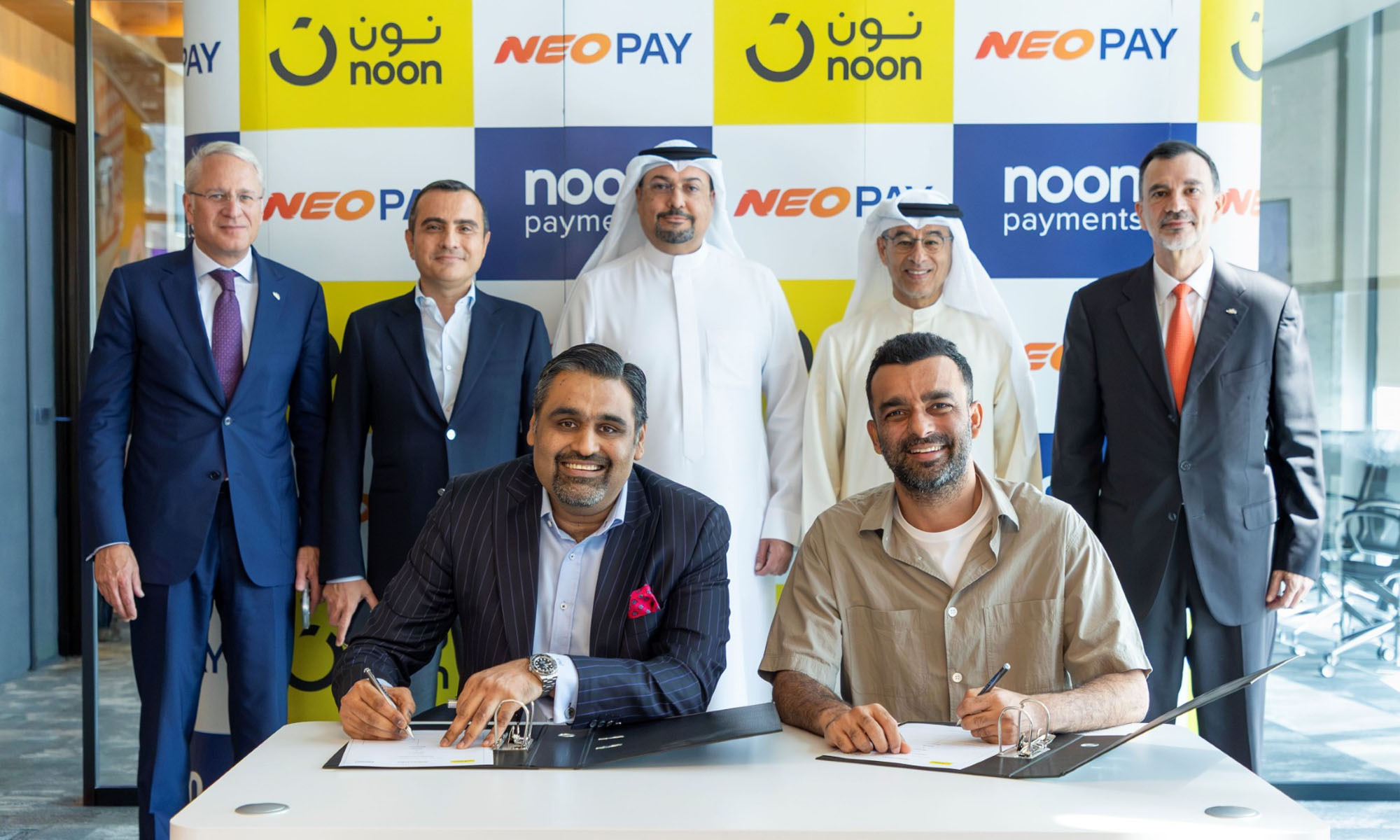
It’s been a long time since checkouts were single defined places. A merchant might take payments at a physical register, on its own website and through an online marketplace, sometimes in more than one country. NEOPAY wants to follow those transactions wherever they happen.
The UAE payments company has entered into an agreement to acquire a 65% controlling stake in noon payments. NEOPAY already runs the acquiring infrastructure that lets merchants accept card payments, along with omnichannel acceptance and a merchant services platform. This new deal would add noon payments’ embedded payments platform, e-commerce gateway and merchant network across the UAE, Saudi Arabia and Egypt. That would considerably expand both NEOPAY’s digital commerce capabilities and its regional reach.
For merchants, the attraction is a single provider for online and in-store payments, plus faster settlements, data and analytics, and value-added financial services.
“Payments should be simple, reliable, and built for the markets they serve,” said Faraz Khalid, CEO of noon. His counterpart at NEOPAY, Vibhor Mundhada, added: “We have built a strong payments business in the UAE, and our ambition is now to take that capability across the region”. The acquisition, Mundhada added, would “expand our footprint into Saudi Arabia and Egypt” while reinforcing NEOPAY’s position at home.
Also Read: In Kuwait, Your Surgeon Might Be Operating From Another Country
NEOPAY is also keen to point out potential payment volume increases. The company says noon payments’ integrations with marketplace sellers and online merchants create high transaction density in some of the region’s fastest-growing digital commerce segments. It also believes control of the business would give it access to those merchant relationships and payment flows, and speed up the rollout of alternative payment methods and installment options.
The combined roadmap targets faster merchant onboarding, better payment performance, tighter fraud controls and embedded financial services. The deal could also strengthen cross-border payments and settlement along key regional commerce corridors.

NEOPAY Wants To Follow Merchants Across Channels And Borders

RØDE’s Low-Profile Studio Arm Is Designed To Stay Out Of Shot

Microsoft Plans $10 Billion-Plus Gulf Expansion Despite Iran Conflict

In Kuwait, Your Surgeon Might Be Operating From Another Country

Qatar Folds 45 State Companies Into A Single Investment Platform

Trip.com Is Betting An AI Agent Will Book Your Next Vacation

Apple’s First Folding iPhone Arrives Late To A Shrinking Market

Egypt’s Mobile Wallets Are Booming, But Cash Still Has Power

Musk’s Boring Company Wants To Dig 150 KM Of Tunnel Under The UAE

OKX Bets Streaming Perks Can Take Crypto Mainstream Across MENA


-
 News3 weeks ago
Trip.com Is Betting An AI Agent Will Book Your Next Vacation
-
 News3 weeks ago
Egypt’s Mobile Wallets Are Booming, But Cash Still Has Power
-
 News3 weeks ago
Musk’s Boring Company Wants To Dig 150 KM Of Tunnel Under The UAE
-
 News3 weeks ago
OKX Bets Streaming Perks Can Take Crypto Mainstream Across MENA