
News
Fujifilm Launches Instax Link WIDE Smartphone Printer
The new printer builds on the success of the Instax Mini Link, a pocket-sized printer that can effortlessly produce mini-format prints through a dedicated smartphone app.

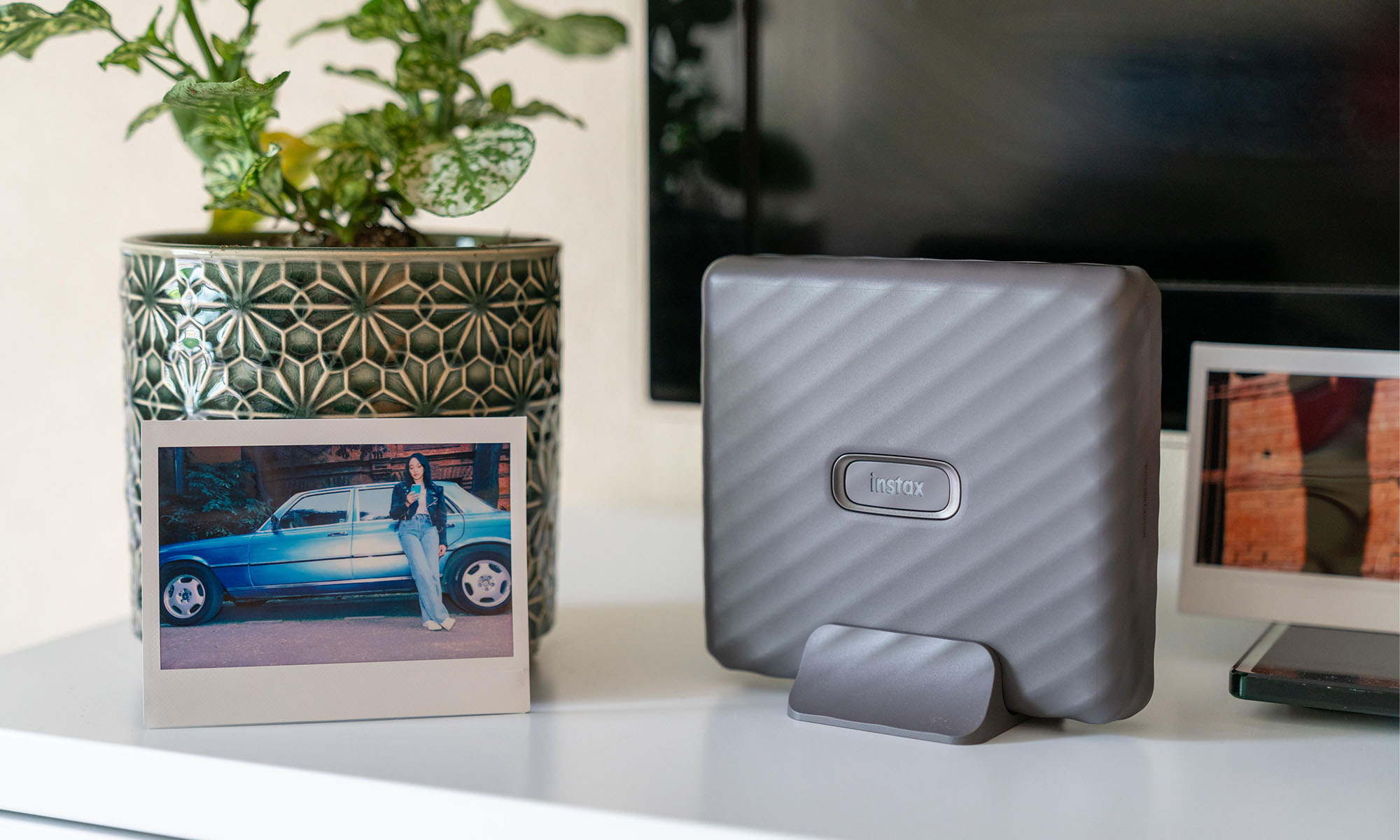
Fujifilm has recently added the Instax Link WIDE smartphone printer to their Instax lineup.
Bigger, better images. Instax is known for simple, clean, and effective camera products and this Link WIDE smartphone printer is no different. Print photos at the click of a button anytime, anywhere.
The new printer builds on the success of the Instax Mini Link, a pocket-sized printer that can effortlessly produce mini-format (86 mm x 54 mm) prints through a dedicated smartphone app.
As its name suggests, the Instax Link WIDE supports wide-format film. A wide-format film is twice the size of the regular card-size mini-format film, making it suitable for a group photo, landscape photograph or other photographs that benefit from the larger film size (86mm x 108mm).

The Instax Link WIDE smartphone printer has its own smartphone app that introduces an array of features to help users create the most stunning wide-format prints possible. For example, there are two distinct print modes to choose from. The Instax-Natural mode preserves original colors, while the Instax-Rich mode includes contrast and color saturation to produce eye-catching results.
Prints can also feature QR codes. The “QR Print” mode generates a QR code for a voice message, text message, location data, favorite website URL and other information, and incorporates it into a print. Having a QR code representing various types of information printed with a photograph adds another dimension to Instax as a communication tool that records related data and conveys sentiments. This extra layer of information makes prints richer and more interactive.

It can be used to add the voice of a loved one to a cherished photo, include a venue address to a print accompanying a wedding invitation, or make a unique gift card for a friend, family member, or colleague — the possibilities are virtually endless. And because the app comes with 29 design templates, one doesn’t have to be a skilled designer to come up with something beautiful.
Alongside the Instax Link WIDE, Fujifilm has launched a new Instax wide-format film BLACK. The film accentuates photographs by adding a black frame around them, making it especially suitable for prints that will spend their lives on a whiteboard or some other white surface.
Also Read: Fujifilm Has Announced The Instax Mini 11 BTS Butter
The Instax Link WIDE smartphone printer sells for $149 + VAT, and it’s available in two colors: Ash White and Mocha Gray. Just like its smaller sibling, the printer is compact and lightweight. It runs on an integrated battery and charges via a USB cable, so on-the-go printing is easily possible with any Bluetooth-enabled smartphone capable of running the companion smartphone app.
Owners of the Fujifilm X-S10 digital camera have it even better because they can skip the smartphone app entirely and send images directly to the printer.
Fujifilm has been selling Instax cameras since 1998. Today, the company’s instant cameras are sold in over 100 countries around the world. They’re especially popular among younger generations, who see them as a welcome relief from the digital overload we all experience today.
Fujifilm Middle East will be announcing the official release dates of the Instax Link WIDE smartphone printer, so make sure you’re following them on Facebook and Instagram for all the latest updates.



News
Abu Dhabi’s Robot Kitchen Is Serving Up Biryani, Not Burgers
Circus SE wants to put a tiny automated factory inside the buildings where Gulf residents live and work, bypassing part of last-mile delivery.

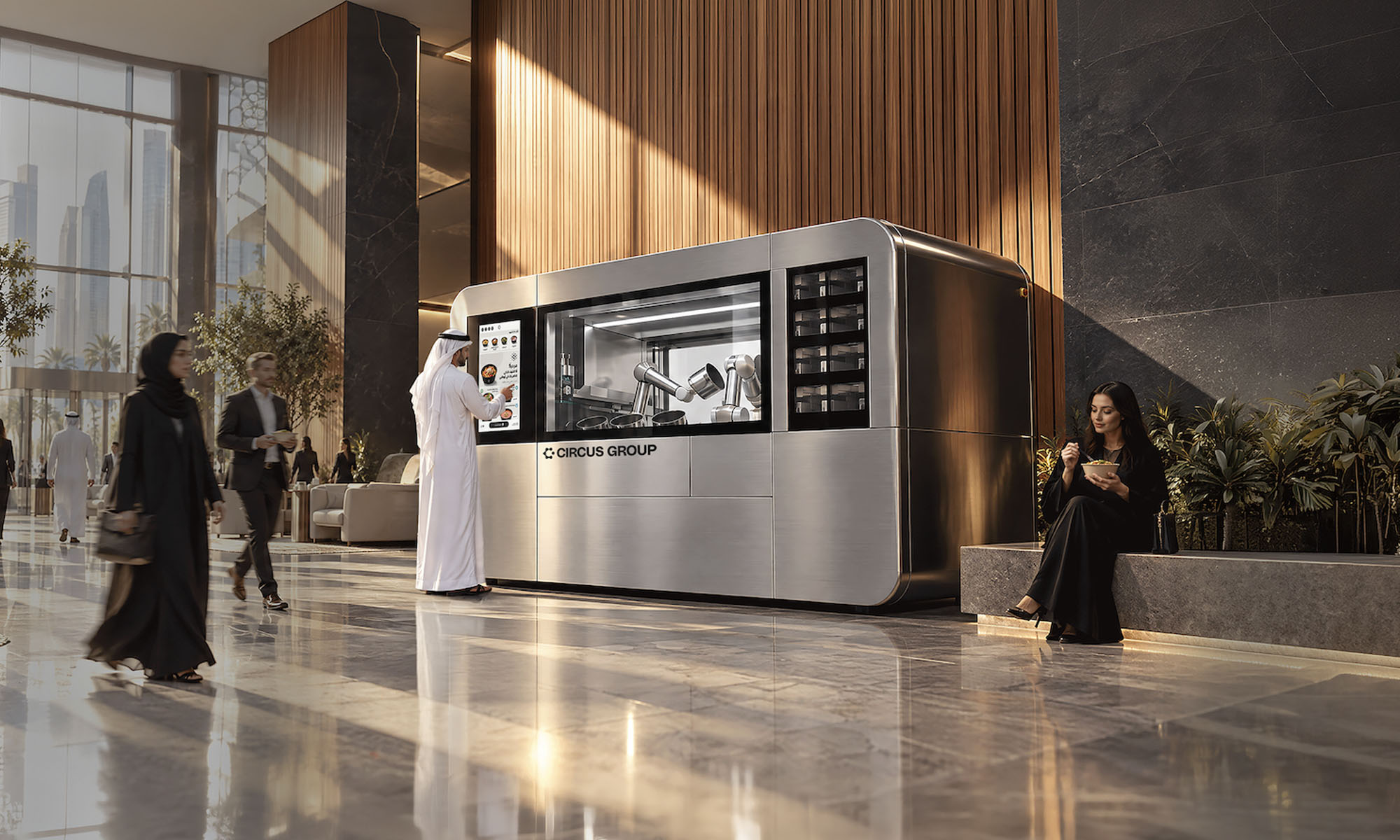
The most telling thing about a new autonomous kitchen now running in Abu Dhabi’s Marina Square is what it won’t cook:
“We don’t do fast food,” says Nikolas Bullwinkel, Founder and CEO of Circus SE. “We’ve actively decided not to build a machine that can only do burgers”.
Instead, the CA-1 system is built around pot-based cooking: curries, pastas, soups and rice dishes. After experimenting with highly personalized recipes, Circus deliberately leaned back toward recognizable food. “We’re going with a chicken biryani because you know it,” Bullwinkel says of the AED 40 dish.
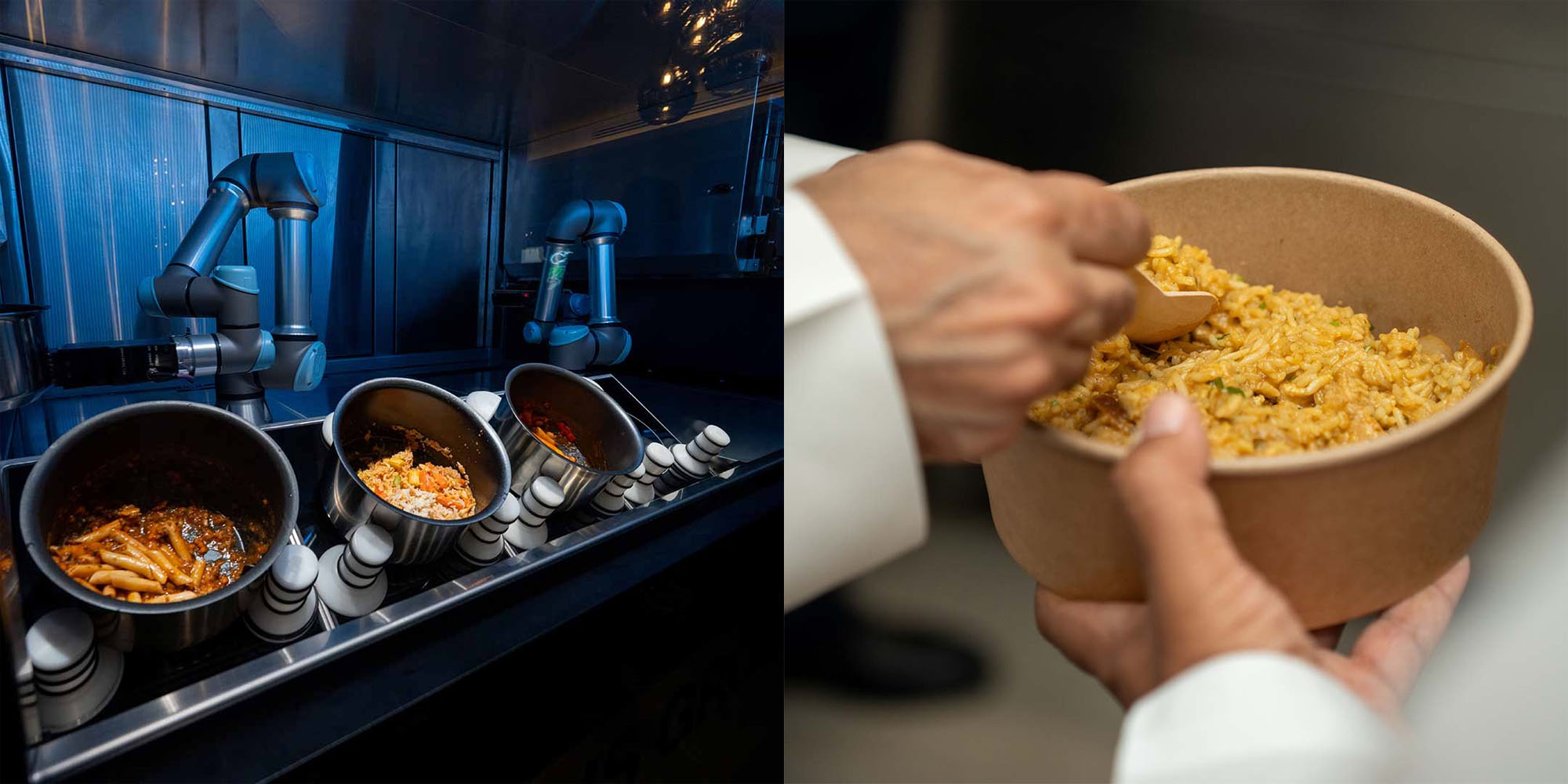
The Germany-based robotics and food technology company operates across eight countries, and Abu Dhabi is its first deployment outside Europe. More locations are expected there and in Dubai.
In Germany, its units can be placed in supermarkets, gas stations, airports and hospitals. In the Gulf, Bullwinkel wants them inside residential and office buildings, replacing some of the complexity of last-mile delivery. “We’re basically bringing a very tiny factory a few square meters into your building,” he says. Catering company Royal Prestige supplies the ingredients and knowledge of local tastes.
The CA-1 manages up to 36 refrigerated ingredient silos alongside automated induction cooking, robotic plating and a self-cleaning dishwasher. Two robotic arms move ingredients through the system with minimal human intervention. It can produce up to 120 hot meals an hour, and a meal such as rice and curry can take around three to four minutes.
Also Read: Ooredoo Qatar’s 5G+ Network Is Built For Machines As Much As People
Five cameras and multiple sensors monitor heat, temperature and consistency, an attempt to approximate what a chef perceives. “You can hear something gets burned, you can smell it, you can see it at some point,” Bullwinkel says. CircusOS, the company’s operating system, adjusts recipes in real time.
You might think of the platform as a threat to kitchen staff, but Bullwinkel frames Circus as a way for chefs to develop recipes and distribute them at scale. With that being said, rising labor costs and shortages are also part of his case for automation.

Abu Dhabi’s Robot Kitchen Is Serving Up Biryani, Not Burgers

Sennheiser’s MOMENTUM 5 Series Bets On Batteries You Can Swap

UAE’s 3-Minute University Registration Runs On Government Data

How Online Ads Became A Delivery System For Zero-Click Spyware

Shokz OpenDots 2 Review: Clip-On Audio Gets A Bass-Heavy Makeover

Dubai Says Its Deepfake Detector Needs Just 7 Seconds Of Video

New Disney+ Streaming App Has Officially Launched In The UAE

NEOPAY Wants To Follow Merchants Across Channels And Borders

RØDE’s Low-Profile Studio Arm Is Designed To Stay Out Of Shot

G42’s Inception42 Wants AI To Show Its Work Before Investors Commit


-
 News3 weeks ago
Dubai Says Its Deepfake Detector Needs Just 7 Seconds Of Video
-
 News2 weeks ago
New Disney+ Streaming App Has Officially Launched In The UAE
-
 News3 weeks ago
NEOPAY Wants To Follow Merchants Across Channels And Borders
-
 News3 weeks ago
RØDE’s Low-Profile Studio Arm Is Designed To Stay Out Of Shot