
News
G42 Teams With Microsoft To Boost UAE Cloud Infrastructure
The collaboration will also focus on AI solutions for the health, life science, energy, and sustainability sectors.

Abu Dhabi-based AI and cloud computing company G42 and US tech powerhouse Microsoft have announced the next phase of their strategic partnership to overhaul and expand cloud and technology infrastructure across the United Arab Emirates.
G42 will deliver advanced AI solutions, while Microsoft will help to expand existing data center infrastructure and Azure cloud services in the Emirates, according to an announcement made on Monday.
“This strategic collaboration with Microsoft is not just about technology […] it’s about creating a holistic ecosystem for societal resilience and growth,” explained Peng Xiao, group chief executive of G42.
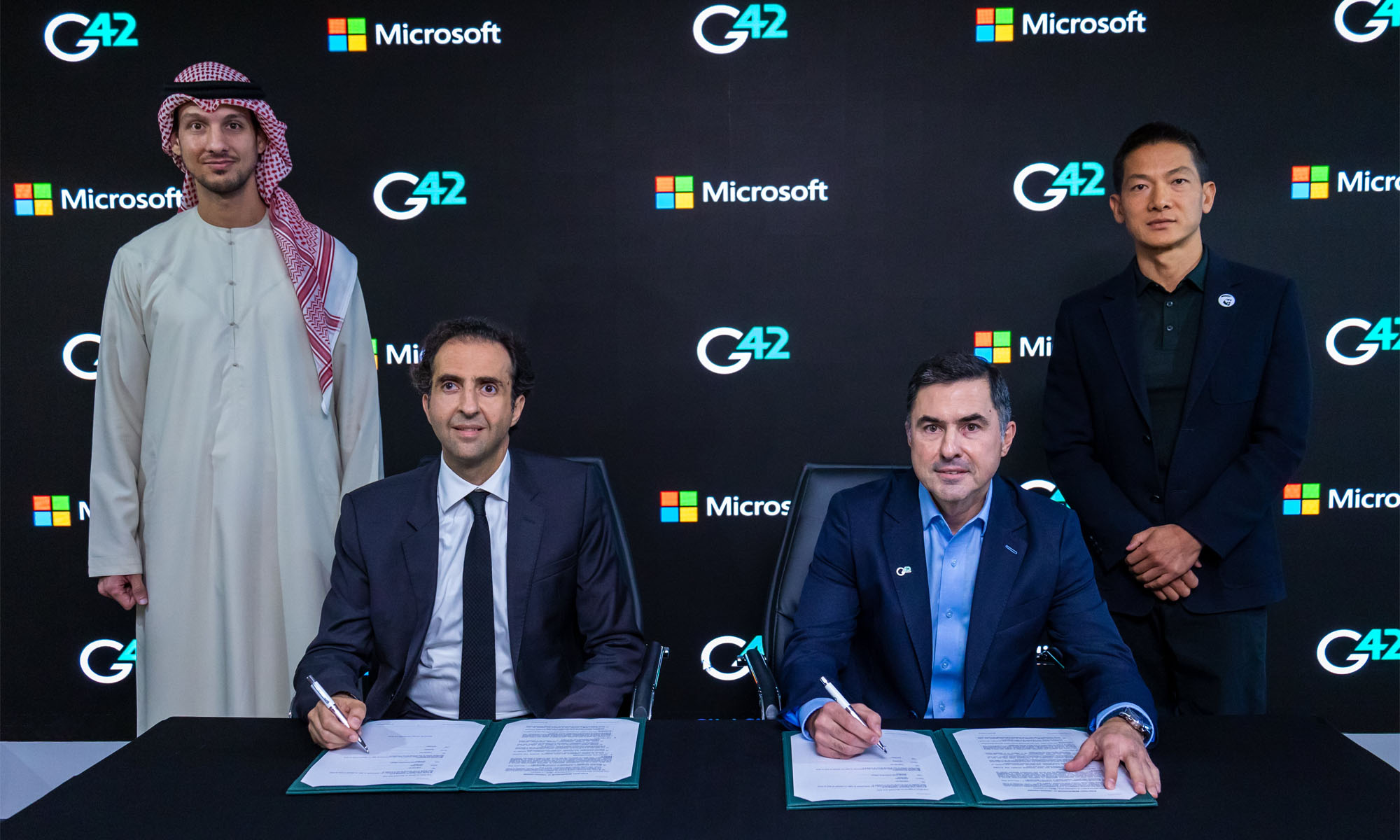
“By combining our respective expertise and shared forward-thinking approach, we aim to not only transform industries but also create positive economic opportunities and lasting impacts on the well-being of individuals, communities, and society as a whole,” Mr Xiao continued.
The two companies will also focus on bringing AI solutions to various sectors, including health, life sciences, energy, sustainability, and other projects of national significance, such as the Cop28 climate summit to be held in Dubai later this year.
According to a study released last October, Microsoft expects its portfolio of cloud services to add over $39 billion to the UAE economy over the next four years, along with the creation of 100,000 jobs.
Also Read: Saudi Arabia’s Gaming Sector Is Quickly Gathering Momentum
The UAE’s digital economy is expected to grow from $38 to $140 billion by 2031. Meanwhile, in July, Sheikh Hamdan bin Mohammed, Crown Prince of Dubai, announced a new cloud technology project in a bid to boost the Emirate’s tech infrastructure and accelerate digital transformation.
The UAE also recently approved the formation of a Higher Committee for Government Digital Transformation as the country races to develop a strong and tech-first digital economy.




News
Microsoft Plans $10 Billion-Plus Gulf Expansion Despite Iran Conflict
Security is shaping Microsoft’s approach, from resilience work with governments to what it will say about how the money splits by country.
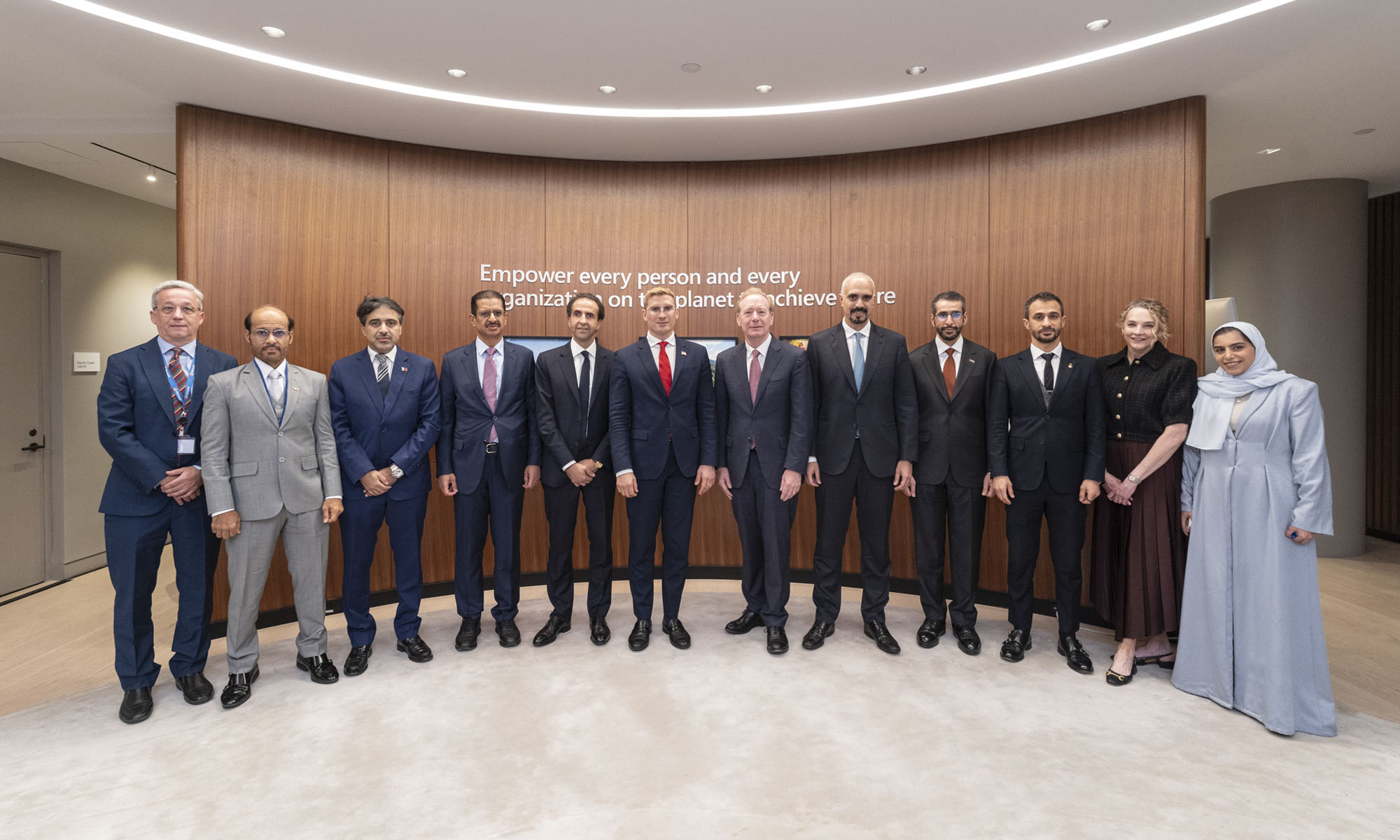
Microsoft is planning more than $10 billion of investment across the UAE, Saudi Arabia, Qatar and Kuwait through 2030, Vice Chair and President Brad Smith told Reuters, calling the spending schedule aggressive. The Iranian conflict that began on February 28 has not persuaded the company to scale back.
“We’re sustaining all the investments we planned to make before this conflict started, and we are in fact adding to them,” Smith said. The $10 billion-plus total does not, however, show how large those additions are.
The investment, which Smith described as part of Microsoft’s continued infrastructure expansion, is aimed at cloud and AI infrastructure and at the company’s growing regional operations. Microsoft also intends to put more than $400 million into subsea and terrestrial connectivity across the Middle East by 2030.
The spending fits the region’s own ambitions too. Gulf governments have been investing heavily in AI infrastructure as part of a push to diversify their economies beyond oil and gas and turn themselves into global technology hubs. Major cloud and AI providers have been drawn in part by the land and relatively low-cost energy on offer.
Microsoft is widening its partnerships with regional AI companies, though not on identical terms. In 2024, it invested $1.5 billion in Abu Dhabi-based G42 for a minority stake, and Smith currently sits on G42’s board. Saudi Arabia’s Humain and Qatar’s Qai are working with Microsoft on selected priority areas, but Smith said the company does not plan to make capital investments in either.
Also Read: Egypt’s Mobile Wallets Are Booming, But Cash Still Has Power
The conflict has added another strand to Microsoft’s work in the region. Since it began, Smith said, the company has supported regional partners with digital resilience assessments, and it is now working with Gulf countries through a digital resilience initiative focused on preparedness and the protection of critical data.
So far, the company has given no country-by-country breakdown of the investment, citing security among other factors. So while the headline figure is public, how Microsoft divides the spending among the four countries is not.

Microsoft Plans $10 Billion-Plus Gulf Expansion Despite Iran Conflict

In Kuwait, Your Surgeon Might Be Operating From Another Country

Qatar Folds 45 State Companies Into A Single Investment Platform

Trip.com Is Betting An AI Agent Will Book Your Next Vacation

Meta’s New $499 Plan Puts A Price On Reaching A Real Person

Apple’s First Folding iPhone Arrives Late To A Shrinking Market
Trip.com Is Betting An AI Agent Will Book Your Next Vacation

Egypt’s Mobile Wallets Are Booming, But Cash Still Has Power

OKX Bets Streaming Perks Can Take Crypto Mainstream Across MENA

Musk’s Boring Company Wants To Dig 150 KM Of Tunnel Under The UAE


-
 News3 weeks ago
Apple’s First Folding iPhone Arrives Late To A Shrinking Market
-
 News2 weeks ago
Trip.com Is Betting An AI Agent Will Book Your Next Vacation
-
 News2 weeks ago
Egypt’s Mobile Wallets Are Booming, But Cash Still Has Power
-
 News2 weeks ago
OKX Bets Streaming Perks Can Take Crypto Mainstream Across MENA