
News
Egypt’s Flat6Labs Picks 24 Startups For Growth Track Program
The initiative is known as StartMashreq, and welcomes companies from the FinTech, eCommerce and HealthTech sectors.

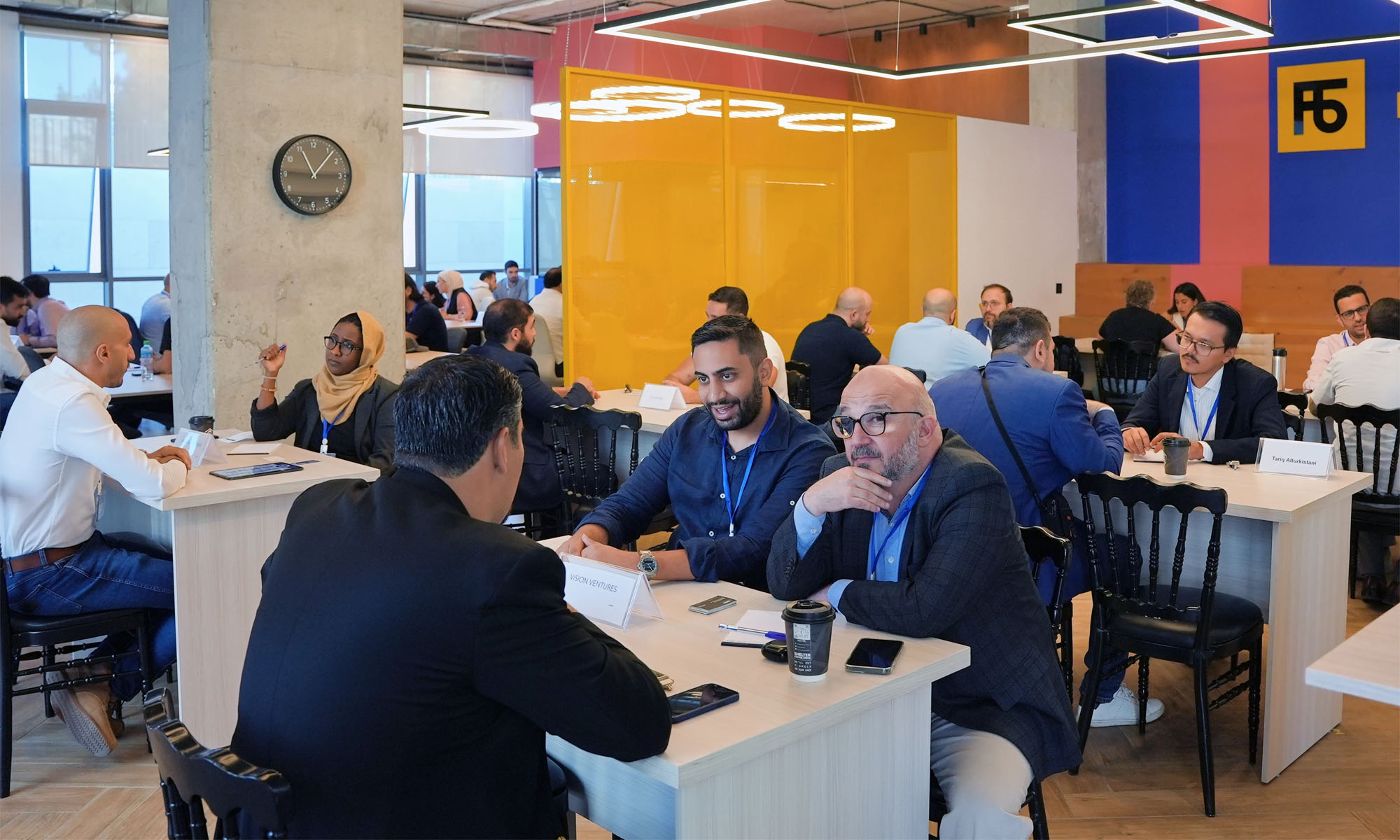
Flat6Labs, the Cairo-based venture capital company, has chosen 24 companies for its StartMashreq Growth Track program, which aims to boost early-stage startups in the Middle East and North Africa region.
The startups from Jordan, Lebanon, and Iraq operate in sectors including FinTech, HealthTech, AgriTech, and eCommerce. In addition, five of the chosen companies were cofounded by female entrepreneurs.
Collectively, the winning startups generate annual recurring revenue of over $20 million and have raised nearly $40 million in funding, according to Flat6Labs. Perhaps most importantly, the 24 companies in the StartMashreq program have also generated around 700 job opportunities.
“We are confident that [the startups] have what it takes to succeed in their markets. Through our program, we will offer them tailored support and guidance to help them overcome their challenges and achieve their goals. We look forward to working with them over the next six months and beyond,” said Ragia Amr, program director of StartMashreq at Flat6Labs.
Started in June, StartMashreq will run until December 2024, giving the selected startups access to new markets plus allowing them to scale operations and increase their impact on their respective economies.
As for the program itself, StartMashreq will include workshops and mentorships by international experts, networking events, and roadshows.
Also Read: Saudi Arabia’s Gaming Sector Is Quickly Gathering Momentum
Since its launch in 2011, Flat6Labs has been a major player in the MENA region’s entrepreneurial scene, managing a number of seed funds whose assets exceed $95 million.
In February, Flat6Labs announced a $20 million startup seed fund in Saudi Arabia aimed at supporting entrepreneurs in the Kingdom by investing in early-stage startups in the technology and innovation sectors.
The selected startups are:
Lebanon
- Compost Baladi: A social enterprise that provides waste management solutions.
- Ecomz: An e-commerce platform that enables merchants to create online stores.
- KamKalima: An edtech platform that helps Arabic teachers and students.
- Moodfit: An online interior design service that connects clients with designers.
- Presentail: An online gift delivery service that connects expats with local shops.
- Purpl: A proptech platform that simplifies property management.
- Shelvz: A retail intelligence platform that helps brands optimize their shelf presence.
Iraq
- KESK: A fintech platform that provides digital banking services.
- Lezzoo: A super app that offers delivery, e-commerce and payment services.
- Midient/Padash: A cloud kitchen platform that enables food entrepreneurs to launch online brands.
- Orderii: An online marketplace that connects customers with local service providers.
- Toolmart: An e-commerce platform that sells tools and hardware products.
Jordan
- Algebra Intelligence: A healthtech platform that provides AI-powered medical diagnosis.
- Arab Therapy: An online platform that connects users with licensed therapists.
- Dinarak: A fintech platform that offers mobile wallet and payment services.
- Hello World Kids: An edtech platform that teaches coding to children.
- InvoiceQ: A fintech platform that provides invoice financing solutions.
- Jordilight: An energy tech company that produces solar-powered street lights.
- Konn Technologies: A fintech company that offers blockchain-based solutions.
- Little Thinking Minds: An edtech company that creates digital learning products for children.
- Nestrom: An agritech company that provides farm management software.
- Palmear: An e-commerce platform that sells handmade products from local artisans.
- Repzo: A mobile CRM platform that helps sales teams manage their activities.
- Shop4Me: An e-commerce platform that delivers groceries and other products.




News
Microsoft Plans $10 Billion-Plus Gulf Expansion Despite Iran Conflict
Security is shaping Microsoft’s approach, from resilience work with governments to what it will say about how the money splits by country.
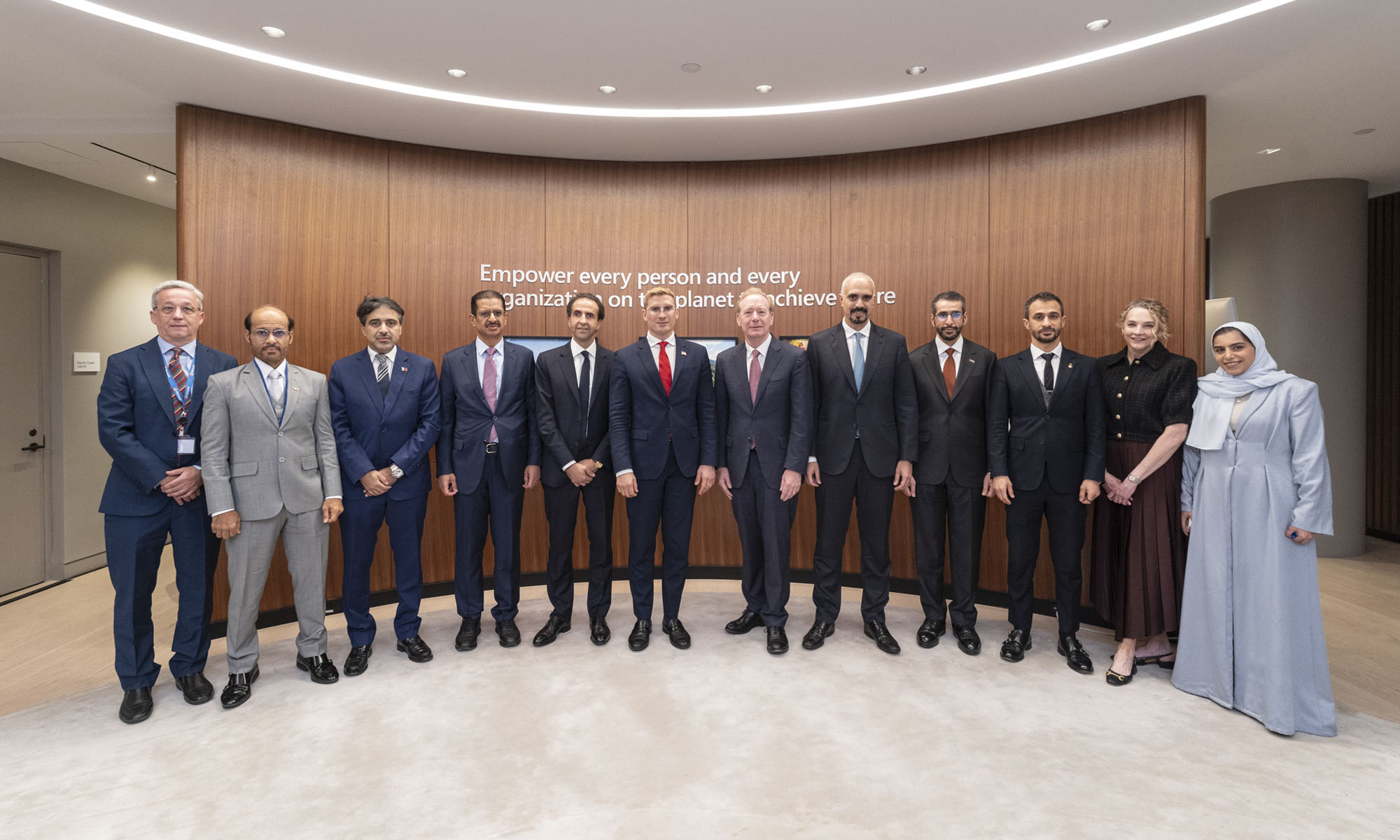
Microsoft is planning more than $10 billion of investment across the UAE, Saudi Arabia, Qatar and Kuwait through 2030, Vice Chair and President Brad Smith told Reuters, calling the spending schedule aggressive. The Iranian conflict that began on February 28 has not persuaded the company to scale back.
“We’re sustaining all the investments we planned to make before this conflict started, and we are in fact adding to them,” Smith said. The $10 billion-plus total does not, however, show how large those additions are.
The investment, which Smith described as part of Microsoft’s continued infrastructure expansion, is aimed at cloud and AI infrastructure and at the company’s growing regional operations. Microsoft also intends to put more than $400 million into subsea and terrestrial connectivity across the Middle East by 2030.
The spending fits the region’s own ambitions too. Gulf governments have been investing heavily in AI infrastructure as part of a push to diversify their economies beyond oil and gas and turn themselves into global technology hubs. Major cloud and AI providers have been drawn in part by the land and relatively low-cost energy on offer.
Microsoft is widening its partnerships with regional AI companies, though not on identical terms. In 2024, it invested $1.5 billion in Abu Dhabi-based G42 for a minority stake, and Smith currently sits on G42’s board. Saudi Arabia’s Humain and Qatar’s Qai are working with Microsoft on selected priority areas, but Smith said the company does not plan to make capital investments in either.
Also Read: Egypt’s Mobile Wallets Are Booming, But Cash Still Has Power
The conflict has added another strand to Microsoft’s work in the region. Since it began, Smith said, the company has supported regional partners with digital resilience assessments, and it is now working with Gulf countries through a digital resilience initiative focused on preparedness and the protection of critical data.
So far, the company has given no country-by-country breakdown of the investment, citing security among other factors. So while the headline figure is public, how Microsoft divides the spending among the four countries is not.

Microsoft Plans $10 Billion-Plus Gulf Expansion Despite Iran Conflict

In Kuwait, Your Surgeon Might Be Operating From Another Country

Qatar Folds 45 State Companies Into A Single Investment Platform

Trip.com Is Betting An AI Agent Will Book Your Next Vacation

Meta’s New $499 Plan Puts A Price On Reaching A Real Person

Apple’s First Folding iPhone Arrives Late To A Shrinking Market
Trip.com Is Betting An AI Agent Will Book Your Next Vacation

Egypt’s Mobile Wallets Are Booming, But Cash Still Has Power

OKX Bets Streaming Perks Can Take Crypto Mainstream Across MENA

Musk’s Boring Company Wants To Dig 150 KM Of Tunnel Under The UAE


-
 News3 weeks ago
Apple’s First Folding iPhone Arrives Late To A Shrinking Market
-
 News2 weeks ago
Trip.com Is Betting An AI Agent Will Book Your Next Vacation
-
 News2 weeks ago
Egypt’s Mobile Wallets Are Booming, But Cash Still Has Power
-
 News2 weeks ago
OKX Bets Streaming Perks Can Take Crypto Mainstream Across MENA