
News
Garmin Reveals First Running Watches With AMOLED Displays
The range-topping Forerunner 965 will cost $600 when released in late March, while the 265 model launches today for $450.

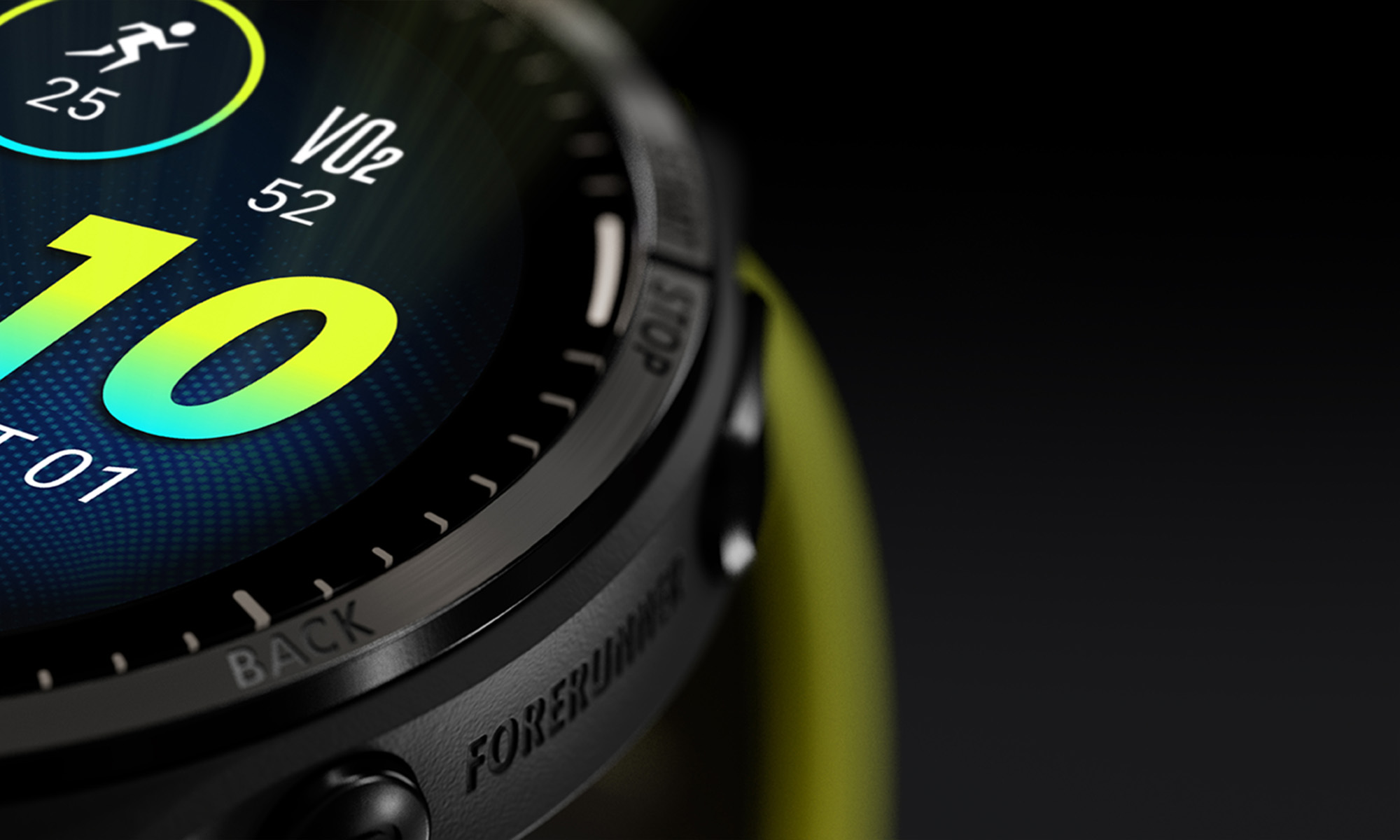
Garmin has unveiled two new GPS smartwatches with AMOLED displays: the Forerunner 965 and 265 series. The timepieces are labeled as dedicated running watches and provide “advanced training metrics” for athletes, heart-rate variability (HRV), sleep quality, training load and more.
The high-end Forerunner 965 model comes with a 1.4-inch AMOLED display, a decent 31 hours of GPS-mode battery life and up to 23 days of use as a smartwatch. The flagship model of the series features additional performance stats over the cheaper 265, including training load ratio, stamina info and detailed climbing metrics (including gradient, distance and elevation).
The Forerunner 265 Series comes in two sizes (42mm and 46mm) and holds out for 24 hours in GPS mode or 15 days in smartwatch mode.
All of the watches in the series use Pulse Ox sensors, and offer “Body Battery” monitoring, sleep and stress stats, menstrual cycle and pregnancy tracking. As well as featuring adaptive training options and suggested workouts, the Garmin 965 and 265 both monitor v02 max and other important performance metrics.
Also Read: Best Music Streaming Services In The Middle East
The Forerunner 965 will cost $600 when it hits stores in “late March”, while the cheaper Forerunner 265 is available now for $450.





News
Syria Just Got Its First Super App Featuring Built-In Digital Payments
Built by UAE-based Syrian founders with the Ministry of Tourism’s backing, My Syria lands as visitor numbers more than double.

For most of the past decade, paying for anything in Syria with an international card was effectively impossible. Sanctions, a collapsed banking sector, and years of isolation left the country running on cash. That is what makes the launch of My Syria — the country’s first super app — more than a routine product announcement.
Developed by 121 Living, a company founded by four UAE-based Syrian entrepreneurs — Rami Kaiem, Feras Kaiem, Waseem Qudmani, and Kinan Madi — the app launched in Damascus on July 30 under the patronage of Minister of Tourism Mazen Al-Salhani. It bundles hotels, restaurants, transport, attractions, food delivery, and other lifestyle services into a single platform, currently offering eight services with plans to expand to more than 40 verified tourism and hospitality providers across the country.
Although the app already sounds enticing, the headline feature is its built-in payments. My Syria is the first platform in Syria to support cross-border digital payments through Apple Pay, Google Pay, Visa, Mastercard, and American Express — familiar tools for international visitors, and a route into the digital economy for local businesses that have long operated outside it.

The launch rides on a sharp rebound for the troubled country. Syria’s tourism sector recorded 3.52 million visitor arrivals in the first half of 2026, a 111 percent increase over the 1.67 million during the same period in 2025 — a mix of returning expatriates, regional visitors, and international tourists.
Also Read: This UAE Platform Wants To Replace Fashion Photo Shoots With AI
The Ministry of Tourism, which supported and supervised the app’s development, frames the launch as proof of concept for a wider strategy. “Digital transformation is one of the Ministry’s strategic priorities because it enables us to build a more competitive, connected and investment-ready tourism sector,” Al-Salhani said, inviting technology companies “globally, regionally and locally” to explore opportunities across the wider economy.
For 121 Living, this is phase one, with additional services and expanded geographic coverage planned. Whether a super app can flourish in a market still rebuilding its infrastructure is an open question, but for the first time in years, a visitor to Damascus can pay for dinner with their phone.

Syria Just Got Its First Super App Featuring Built-In Digital Payments

Shokz OpenFit Pro Review: Open-Ear Audio Finally Grows Up

This UAE Platform Wants To Replace Fashion Photo Shoots With AI

Nike And Hyperice’s New Slides Heat And Vibrate Your Feet

Samsung’s Fold Goes Wide, And The Whole Galaxy Range Gets Pricier

Meta’s New AI Tool Builds Images From Public Instagram Photos

TikTok Hopes Labels And Literacy Will Tame AI-Generated Content

Tamper With The Recording LED & Meta’s Glasses Kill Camera

YouTube Rolls Out Supervised Children’s Accounts Across MENA

Samsung’s Galaxy Watch 9 And Ultra 2 Specs Leak Ahead Of Unpacked


-

 News2 months ago
LUVED Is A New Curated Preloved Marketplace For The UAE
-

 News2 months ago
Instagram Now Lets You Tune Its Algorithm, But There’s One Big Catch
-

 News2 months ago
Max Fashion Brings AI Virtual Try-Ons To Gulf Online Shoppers
-

 News2 months ago
Deezer’s Free AI Detector Reveals What’s Hiding In Your Playlists