
News
Samsung Smart Glasses Teased For January, Software Reveal Imminent
According to Korean sources, the new wearable will launch alongside the Galaxy S25, with the accompanying software platform unveiled this December.

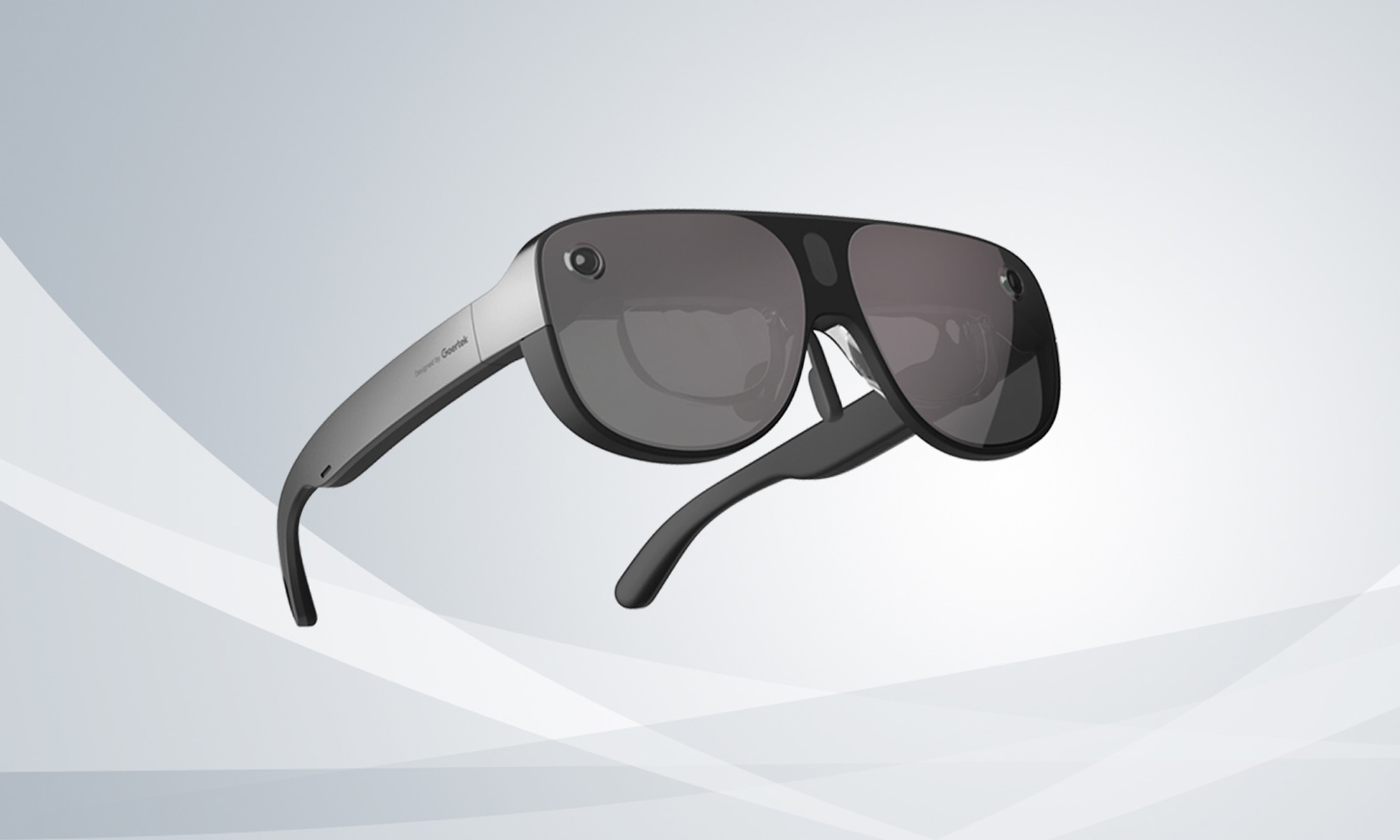
Samsung appears poised to introduce its highly anticipated smart glasses in January 2025, alongside the launch of the Galaxy S25. According to sources in Korea, the company will first reveal the accompanying software platform later this month.
As per a report from Yonhap News, Samsung’s unveiling strategy for the smart glasses echoes its approach with the Galaxy Ring earlier this year. The January showcase won’t constitute a full product launch but will likely feature teaser visuals at the Galaxy S25 event. A more detailed rollout could follow in subsequent months.
Just in: Samsung is set to unveil a prototype of its augmented reality (AR) glasses, currently in development, during the Galaxy S25 Unpacked event early next year, likely in the form of videos or images.
Additionally, prior to revealing the prototype, Samsung plans to introduce…
— Jukanlosreve (@Jukanlosreve) December 3, 2024
The Galaxy Ring, for example, debuted in January via a short presentation during Samsung’s Unpacked event. The full product unveiling came later at MWC in February, and the final release followed in July. Samsung seems to be adopting a similar phased approach with its smart glasses, which are expected to hit the market in the third quarter of 2025.
A Collaborative Software Effort
Samsung’s partnership with Google has played a key role in developing the smart glasses’ software. This collaboration was first announced in February 2023, with the device set to run on an Android-based platform. In July, the companies reiterated their plans to deliver an extended reality (XR) platform by the end of the year. The software specifics for the XR device are expected to be unveiled before the end of December.
Reports suggest that the smart glasses will resemble Ray-Ban Meta smart glasses in functionality. They won’t include a display but will weigh approximately 50 grams, emphasizing a lightweight, user-friendly design.
Feature Set And Compatibility
The glasses are rumored to integrate Google’s Gemini technology, alongside features like gesture recognition and potential payment capabilities. Samsung aims to create a seamless user experience by integrating the glasses with its broader Galaxy ecosystem, starting with the Galaxy S25, slated for release on January 22.





News
Abu Dhabi’s Robot Kitchen Is Serving Up Biryani, Not Burgers
Circus SE wants to put a tiny automated factory inside the buildings where Gulf residents live and work, bypassing part of last-mile delivery.
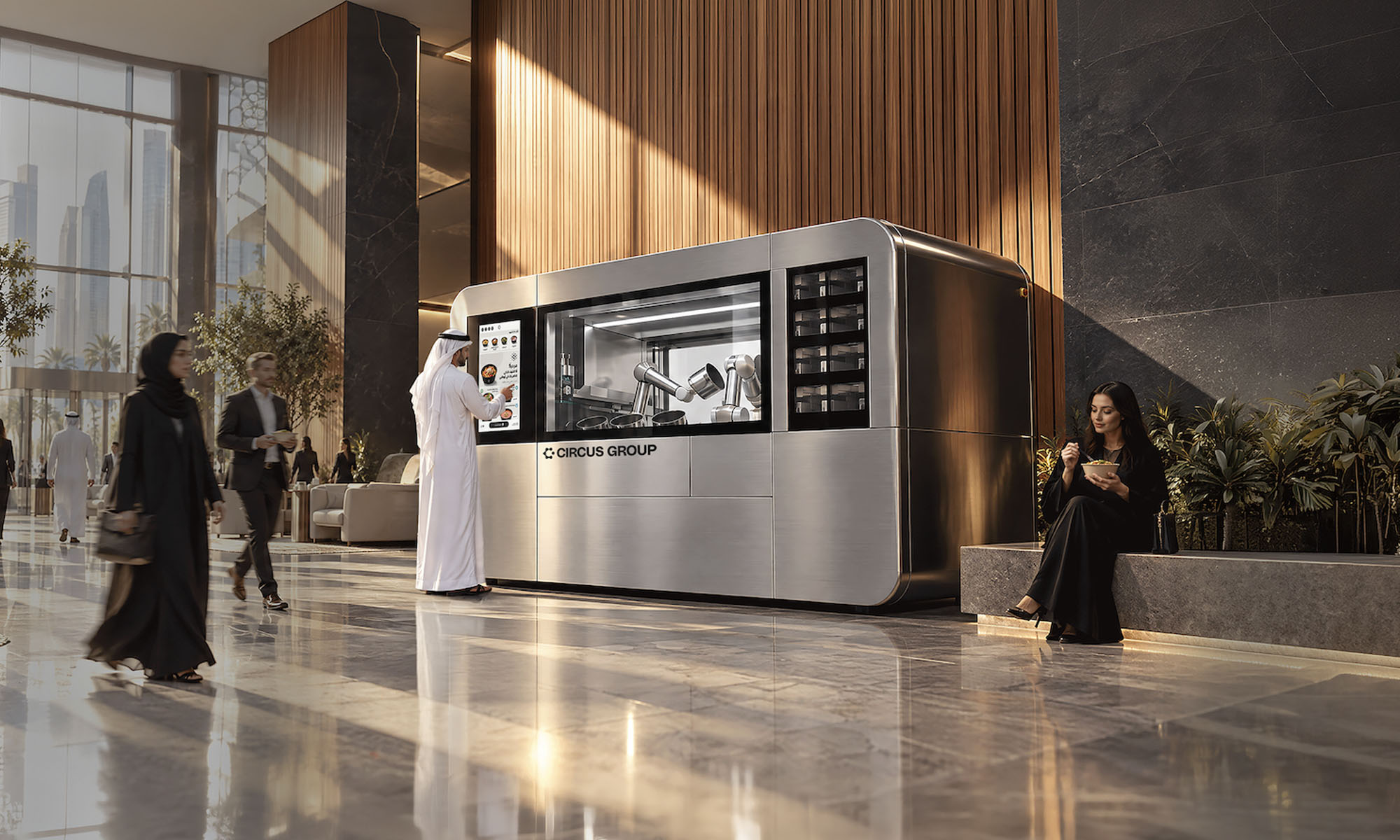
The most telling thing about a new autonomous kitchen now running in Abu Dhabi’s Marina Square is what it won’t cook:
“We don’t do fast food,” says Nikolas Bullwinkel, Founder and CEO of Circus SE. “We’ve actively decided not to build a machine that can only do burgers”.
Instead, the CA-1 system is built around pot-based cooking: curries, pastas, soups and rice dishes. After experimenting with highly personalized recipes, Circus deliberately leaned back toward recognizable food. “We’re going with a chicken biryani because you know it,” Bullwinkel says of the AED 40 dish.
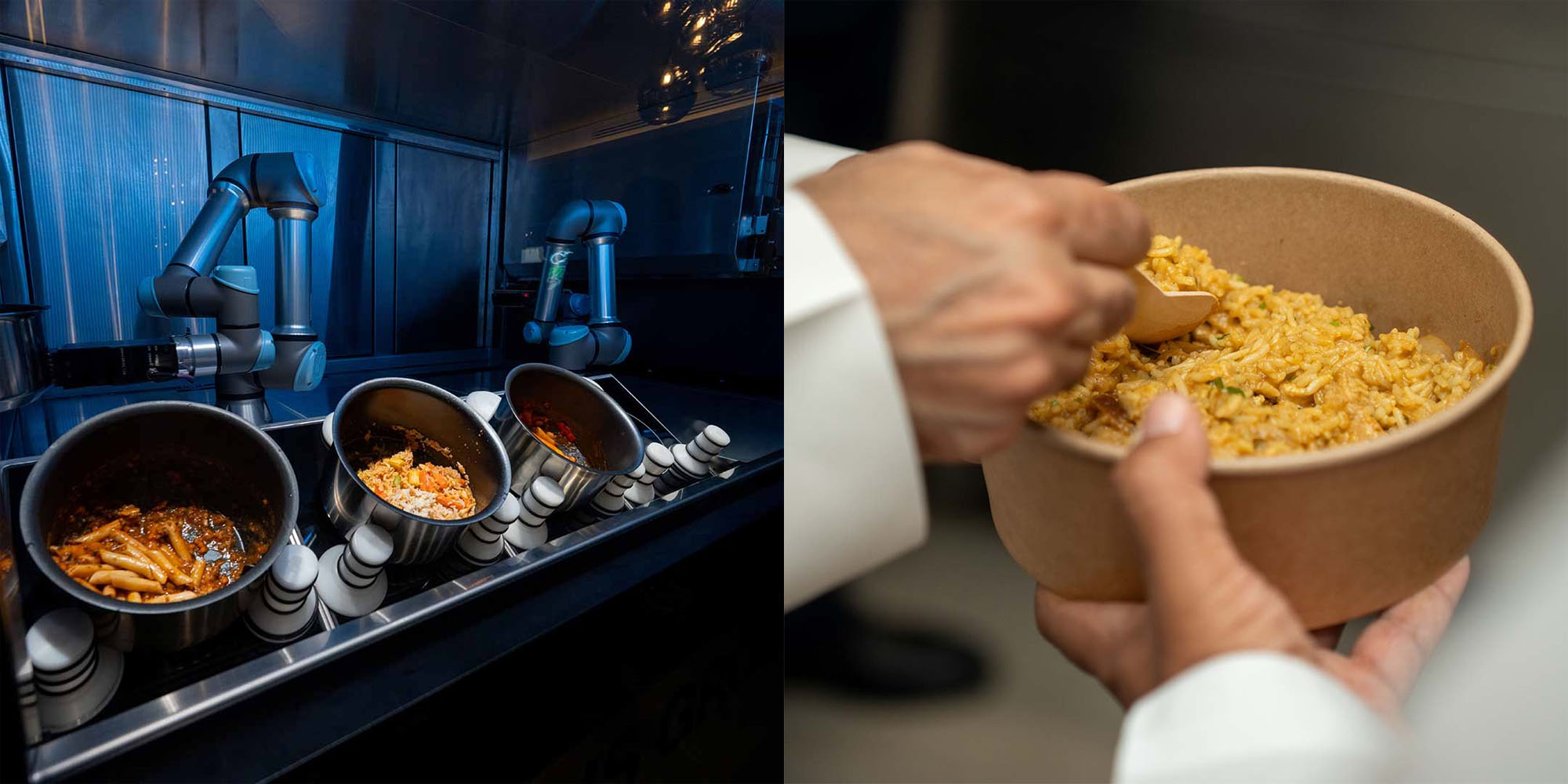
The Germany-based robotics and food technology company operates across eight countries, and Abu Dhabi is its first deployment outside Europe. More locations are expected there and in Dubai.
In Germany, its units can be placed in supermarkets, gas stations, airports and hospitals. In the Gulf, Bullwinkel wants them inside residential and office buildings, replacing some of the complexity of last-mile delivery. “We’re basically bringing a very tiny factory a few square meters into your building,” he says. Catering company Royal Prestige supplies the ingredients and knowledge of local tastes.
The CA-1 manages up to 36 refrigerated ingredient silos alongside automated induction cooking, robotic plating and a self-cleaning dishwasher. Two robotic arms move ingredients through the system with minimal human intervention. It can produce up to 120 hot meals an hour, and a meal such as rice and curry can take around three to four minutes.
Also Read: Ooredoo Qatar’s 5G+ Network Is Built For Machines As Much As People
Five cameras and multiple sensors monitor heat, temperature and consistency, an attempt to approximate what a chef perceives. “You can hear something gets burned, you can smell it, you can see it at some point,” Bullwinkel says. CircusOS, the company’s operating system, adjusts recipes in real time.
You might think of the platform as a threat to kitchen staff, but Bullwinkel frames Circus as a way for chefs to develop recipes and distribute them at scale. With that being said, rising labor costs and shortages are also part of his case for automation.

Abu Dhabi’s Robot Kitchen Is Serving Up Biryani, Not Burgers

Sennheiser’s MOMENTUM 5 Series Bets On Batteries You Can Swap

UAE’s 3-Minute University Registration Runs On Government Data

How Online Ads Became A Delivery System For Zero-Click Spyware

Shokz OpenDots 2 Review: Clip-On Audio Gets A Bass-Heavy Makeover

Dubai Says Its Deepfake Detector Needs Just 7 Seconds Of Video

New Disney+ Streaming App Has Officially Launched In The UAE

NEOPAY Wants To Follow Merchants Across Channels And Borders

RØDE’s Low-Profile Studio Arm Is Designed To Stay Out Of Shot

G42’s Inception42 Wants AI To Show Its Work Before Investors Commit


-
 News3 weeks ago
Dubai Says Its Deepfake Detector Needs Just 7 Seconds Of Video
-
 News2 weeks ago
New Disney+ Streaming App Has Officially Launched In The UAE
-
 News3 weeks ago
NEOPAY Wants To Follow Merchants Across Channels And Borders
-
 News4 weeks ago
RØDE’s Low-Profile Studio Arm Is Designed To Stay Out Of Shot