
News
Julian Assange Is Released From Prison After A US Plea Deal
The negotiations will be finalized in a US court in the North Mariana Islands on June 26.

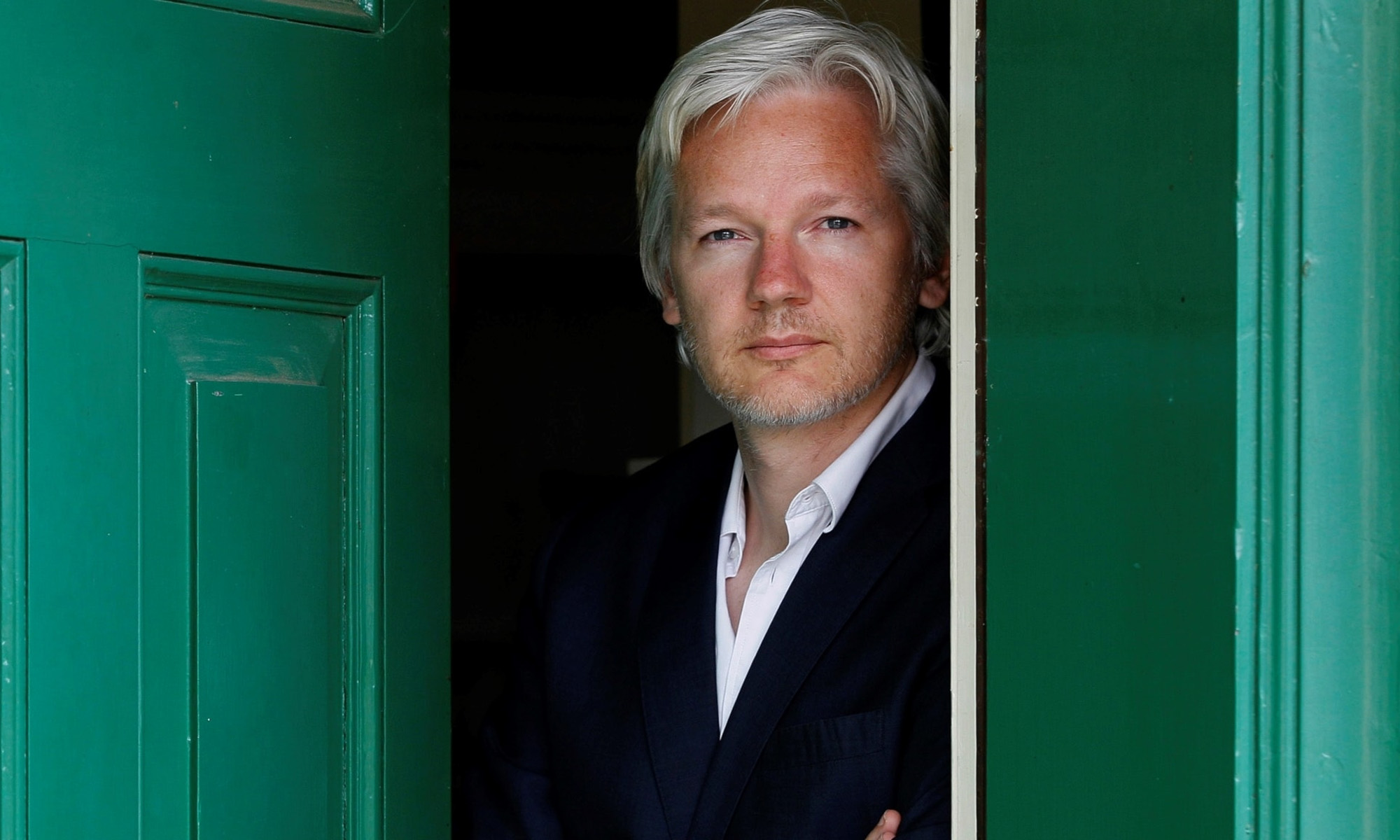
Julian Assange, the WikiLeaks founder and former editor-in-chief, has been released from prison in the UK after agreeing to plead guilty to violating the US Espionage Act.
The WikiLeaks account on X, formerly Twitter, revealed the news after Assange was granted bail by the High Court in London. It also tweeted a video appearing to show Assange at London’s Stansted airport boarding a plane.
The controversial figure is expected to appear in a US courtroom in the Northern Mariana Islands on June 26 to finalize his plea deal with the US Justice Department. Prosecutors have recommended a sentence of 62 months, but as Assange has already spent over five years in a UK prison, he won’t be incarcerated in the US and will instead return to Australia — his country of citizenship — straight after legal proceedings.
Assange was editor-in-chief of the WikiLeaks website when it published classified information about the wars in Iraq and Afghanistan, uncovered by whistleblower Chelsea Manning, a former Army intelligence officer. By 2010, Sweden had issued an arrest warrant for Assange over sexual assault allegations by two women.
Also Read: Top Free AI Chatbots Available In The Middle East
After a warrant was issued for his arrest, Julian Assange sought asylum at the Ecuadorian Embassy in London. He lived there for seven years until being evicted for “discourteous and aggressive behavior,” at which point he was arrested by London’s Metropolitan Police on behalf of the US government.
In WikiLeaks’ announcement of Assange’s release, it stated that he had left Belmarsh maximum security prison “after having spent 1,901 days there”. The organization added that the “global campaign” by “press freedom campaigners, legislators, and leaders from across the political spectrum” allowed “a long period of negotiations with the US Department of Justice” that led to the successful plea deal.

News
Microsoft Plans $10 Billion-Plus Gulf Expansion Despite Iran Conflict
Security is shaping Microsoft’s approach, from resilience work with governments to what it will say about how the money splits by country.
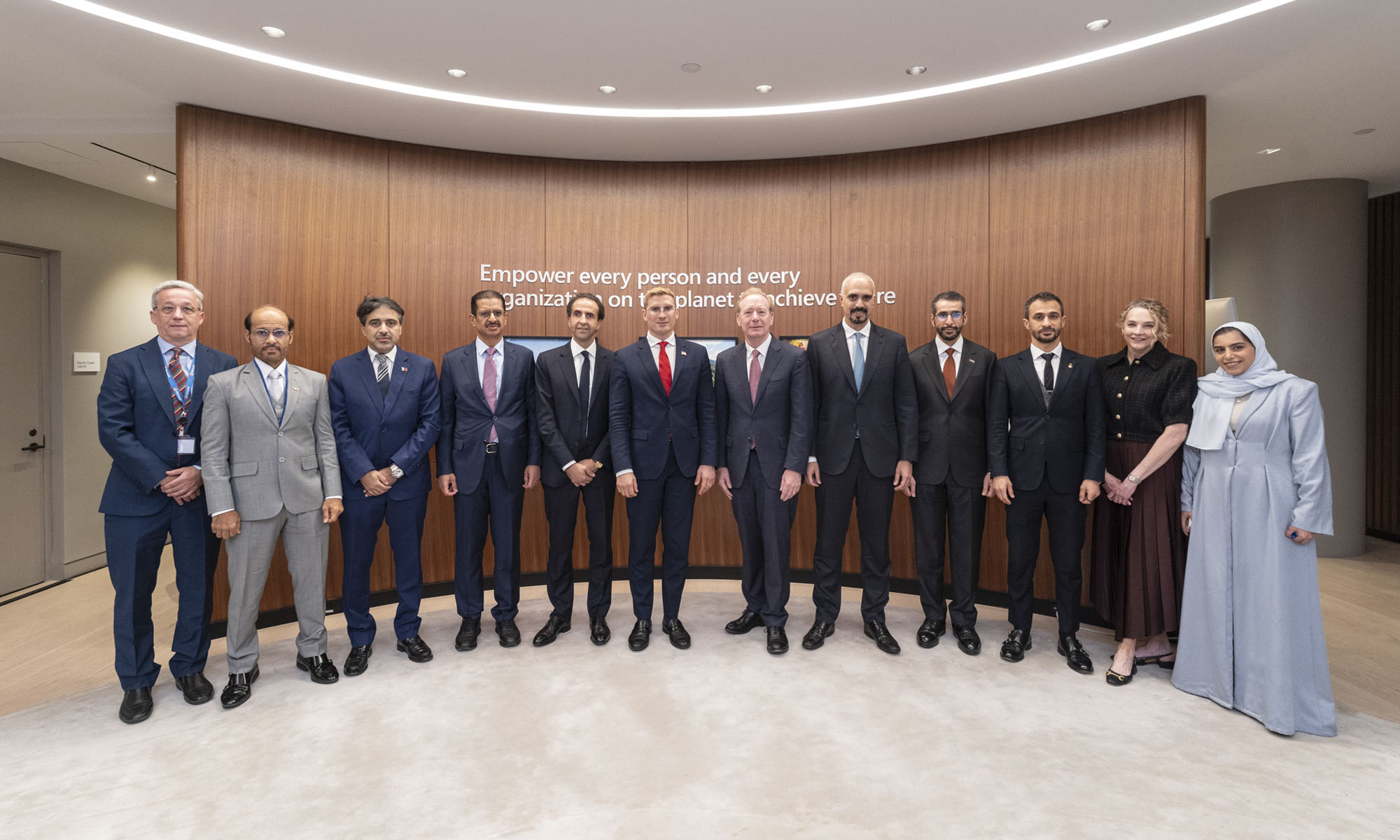
Microsoft is planning more than $10 billion of investment across the UAE, Saudi Arabia, Qatar and Kuwait through 2030, Vice Chair and President Brad Smith told Reuters, calling the spending schedule aggressive. The Iranian conflict that began on February 28 has not persuaded the company to scale back.
“We’re sustaining all the investments we planned to make before this conflict started, and we are in fact adding to them,” Smith said. The $10 billion-plus total does not, however, show how large those additions are.
The investment, which Smith described as part of Microsoft’s continued infrastructure expansion, is aimed at cloud and AI infrastructure and at the company’s growing regional operations. Microsoft also intends to put more than $400 million into subsea and terrestrial connectivity across the Middle East by 2030.
The spending fits the region’s own ambitions too. Gulf governments have been investing heavily in AI infrastructure as part of a push to diversify their economies beyond oil and gas and turn themselves into global technology hubs. Major cloud and AI providers have been drawn in part by the land and relatively low-cost energy on offer.
Microsoft is widening its partnerships with regional AI companies, though not on identical terms. In 2024, it invested $1.5 billion in Abu Dhabi-based G42 for a minority stake, and Smith currently sits on G42’s board. Saudi Arabia’s Humain and Qatar’s Qai are working with Microsoft on selected priority areas, but Smith said the company does not plan to make capital investments in either.
Also Read: Egypt’s Mobile Wallets Are Booming, But Cash Still Has Power
The conflict has added another strand to Microsoft’s work in the region. Since it began, Smith said, the company has supported regional partners with digital resilience assessments, and it is now working with Gulf countries through a digital resilience initiative focused on preparedness and the protection of critical data.
So far, the company has given no country-by-country breakdown of the investment, citing security among other factors. So while the headline figure is public, how Microsoft divides the spending among the four countries is not.

Microsoft Plans $10 Billion-Plus Gulf Expansion Despite Iran Conflict

In Kuwait, Your Surgeon Might Be Operating From Another Country

Qatar Folds 45 State Companies Into A Single Investment Platform

Trip.com Is Betting An AI Agent Will Book Your Next Vacation

Meta’s New $499 Plan Puts A Price On Reaching A Real Person

Apple’s First Folding iPhone Arrives Late To A Shrinking Market
Trip.com Is Betting An AI Agent Will Book Your Next Vacation

Egypt’s Mobile Wallets Are Booming, But Cash Still Has Power

OKX Bets Streaming Perks Can Take Crypto Mainstream Across MENA

Musk’s Boring Company Wants To Dig 150 KM Of Tunnel Under The UAE


-
 News3 weeks ago
Apple’s First Folding iPhone Arrives Late To A Shrinking Market
-
 News2 weeks ago
Trip.com Is Betting An AI Agent Will Book Your Next Vacation
-
 News2 weeks ago
Egypt’s Mobile Wallets Are Booming, But Cash Still Has Power
-
 News2 weeks ago
OKX Bets Streaming Perks Can Take Crypto Mainstream Across MENA