News
Movano Will Take On Oura With Their Evie Smart Ring For Women
The device can measure heart rate, skin temperature variability, clinical SpO2, and much more.

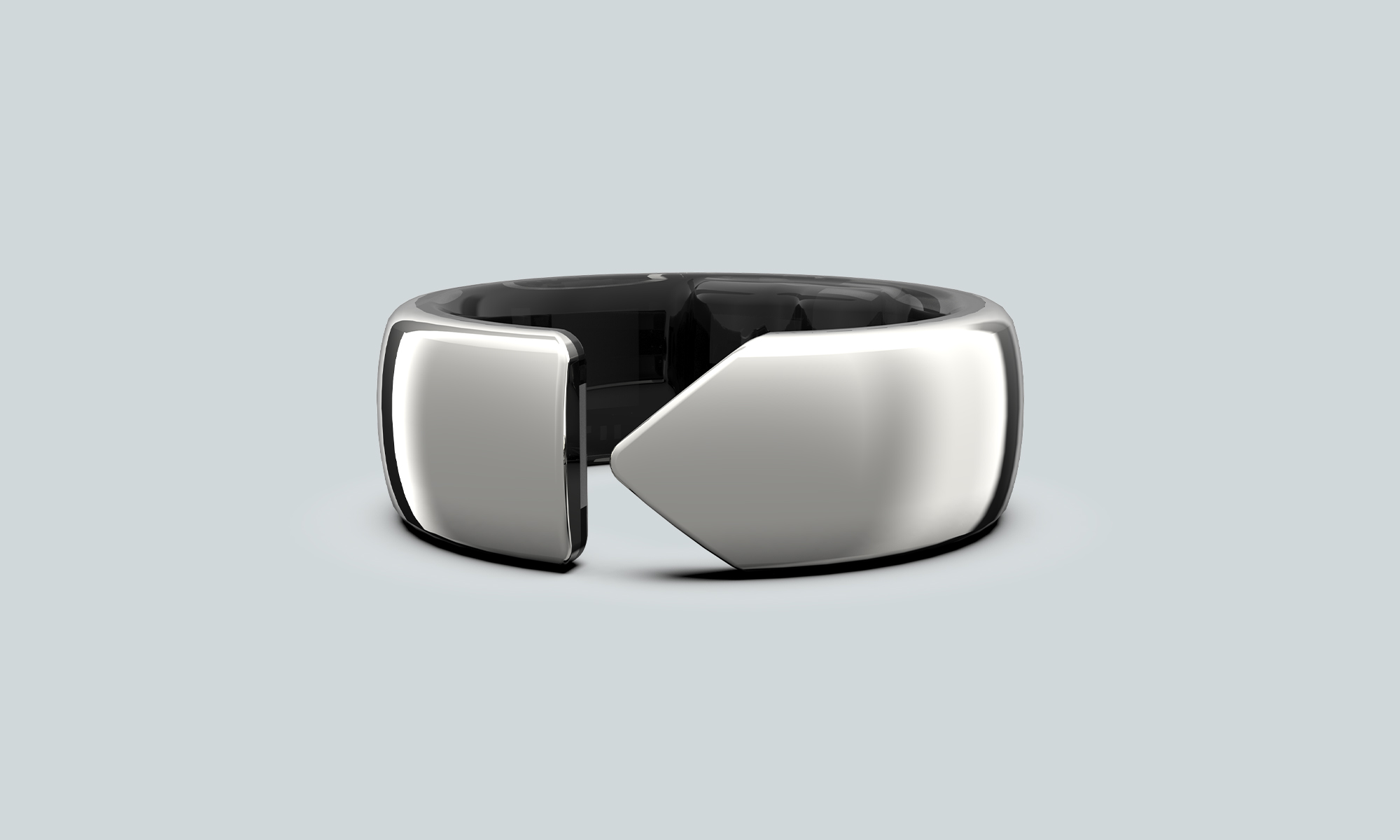
Health-tech company Movano has just teased details of its first smart ring, named Evie. The device is designed for health and fitness tracking — including cycling — and bears a strong resemblance to Oura’s latest smart ring, as well as offerings from other companies. Movano plans to give the press and public a closer look at the device at next week’s CES 2023, claiming that the ring differs from other products, being uniquely developed for women.
Movano’s original design for the ring debuted at CES 2022 without a name, but the company has since changed several elements of the design, as well as the asking price. The new model will go on sale sometime in 2023, with a below-$300 price tag, and won’t be tied to a subscription.

The Movano Health Evie ring offers several of the metrics seen on rings like the Oura, as well as those found in Apple and Android smartwatches. The device can measure heart rate, skin temperature variability, blood oxygen, steps, calories, and sleep, with a special focus on period and ovulation tracking. Wearers of the new ring will be able to get advice from health experts within the app, and the device will meet medical manufacturing standards.
Also Read: LG Preparing True Optical Zoom Lenses For Flagship Phones
“As a medical device, Evie will go beyond the status quo of other wearables on the market. We are bringing together medical-grade biometric data and insights in a comfortable and contemporary wearable,” says Movano CEO, John Mastrototaro.
As well as a broad suite of health data, Movano has promised high security and privacy standards when transferring data to the cloud or third-party health providers. Movano hasn’t yet achieved full FDA approval, which will probably dictate the final launch date. The Evie smart ring will be released in the USA at first, but should come to other markets later, though we’ll learn more about it next week at CES 2023.







News
Trip.com Is Betting An AI Agent Will Book Your Next Vacation
Abu Dhabi, Jazeera Airways and a run of hotel deals give the company more inventory. Its Mastercard demo says the most about where booking technology is headed.

Most of what Trip.com Group announced at Arabian Travel Market 2026 this week reads like the standard expansion playbook of an online travel agency: a new agreement with a tourism board, a run of hotel partnerships, an airline deal. However, one item was considerably more interesting: a demonstration built with Mastercard of an AI agent that doesn’t just suggest trips but also pays for them.

The showcase put TripGenie, the company’s AI travel assistant, to work searching, selecting and completing purchases inside a single booking flow, with Mastercard’s Agent Suite for Merchants handling the payment step and Network International processing the transactions on the merchant side. It’s limited for now to attractions and ancillary services, but the partners plan a phased commercial rollout from early 2027.
“As traveller expectations change, technology and AI will play an increasingly important role in how people plan their journeys,” says Schubert Lou, CEO of Trip.com.
Meanwhile, in more conventional news, CEO Lou and Saleh Mohamed Al Geziry (Director General for Tourism at the Department of Culture and Tourism – Abu Dhabi), signed an agreement building on the two organizations’ existing partnership, with joint marketing and Abu Dhabi destination content to be pushed across Trip.com Group’s platforms.
Also Read: Musk’s Boring Company Wants To Dig 150 KM Of Tunnel Under The UAE
On accommodation, the group expanded its partnerships with JA Hotels & Resorts, Ishraq Hospitality and Aleph Hospitality and deepened its work with Silkhaus, which brings vacation homes into a portfolio that has so far leaned on hotels. Jazeera Airways signed a strategic partnership intended to widen the Kuwaiti carrier’s reach and encourage earlier bookings, tied to Kuwait’s own tourism ambitions.
The company moved into a larger Dubai office earlier this year and describes its long-term aim as a two-way ecosystem: sending Middle East travelers abroad while drawing international visitors in.

Trip.com Is Betting An AI Agent Will Book Your Next Vacation

Meta’s New $499 Plan Puts A Price On Reaching A Real Person

OKX Bets Streaming Perks Can Take Crypto Mainstream Across MENA

Musk’s Boring Company Wants To Dig 150 KM Of Tunnel Under The UAE

Egypt’s Mobile Wallets Are Booming, But Cash Still Has Power

RØDE’s New DS3 Studio Arm Is Built For Heavier Creator Setups

Visa’s Return To Syria Starts With A Test And A Bank In Lebanon

Former Rockstar Director Dismisses GTA 6 Leaks As “Nothing Burger”

Dubai Turns AI On Its Own Civil Service To Measure Productivity